Enhancing Your Garden Design with the Chañar Plant: A Landscaping Guide
1
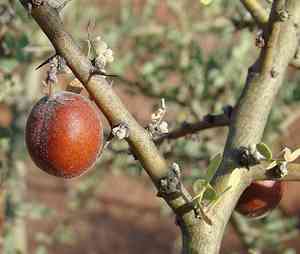
Chañar offers a distinct look that can elevate the beauty of any outdoor space.
2
Chañar is recognized for its resilience and versatility, making it a superb option for diverse settings.
3
Placing Chañar appropriately guarantees its flourishing and harmonious integration with other garden flora.
Introduction to Chañar in Landscaping
Overview of Chañar's Unique Aesthetic Appeal
Chañar offers a distinct charm to garden layouts with its singular foliage and attractive blossoms. Its visually pleasing form can act as a centerpiece in any outdoor area, capturing attention and establishing a focal point. The striking texture and color shifts throughout the year keep the garden lively and engaging. Beyond its decorative qualities, Chañar can enhance the overall feel of the garden, contributing to a peaceful and inviting outdoor environment.
Brief Mention of Chañar's Hardiness and Adaptability
Chañar is well-known for its resilience and versatility. It can thrive in various soil types and climate conditions, making it a dependable choice for gardeners facing unpredictable weather. This flexibility also makes Chañar a low-maintenance option that doesn't demand constant attention or specialized care. Whether you reside in a region with hot summers or cold winters, Chañar possesses the remarkable ability to flourish, making it an ideal candidate for landscape projects in diverse settings.
Choosing the Right Location for Chañar
Factors to Consider for Optimal Placement in Your Garden
Selecting the ideal spot for Chañar in your garden is vital for its development. First, assess the soil quality and ensure it drains effectively. Sandy, loamy soils are perfect, but Chañar can tolerate clay soils with proper amendments. Additionally, consider the surrounding space, allowing ample room for future growth. Ensure it isn't crowded by other plants or blocked by structures. Good air circulation is essential to prevent fungal issues and promote robust growth. Finally, think about the plant's purpose â will it be a central feature, a border plant, or part of a mixed bed?
How Sun Exposure Affects Chañar's Growth and Appearance
Chañar flourishes best with sufficient sun exposure. It prefers full sun to partial shade, enjoying at least six hours of direct sunlight daily for optimal development. Sunlight encourages vigorous foliage and boosts the plant's blooming potential, leading to more vibrant flowers. However, in extremely hot climates, providing some afternoon shade can prevent leaf scorch. Balancing sun and shade ensures Chañar maintains its visual appeal while thriving in your garden environment.
Integrating Chañar with Other Plants
Complementary Plants That Thrive Alongside Chañar
When designing your garden, consider pairing Chañar with plants that share similar growing requirements. Succulents and drought-tolerant perennials complement Chañar well, as they both need well-drained soil and minimal watering. Ornamental grasses and low-growing shrubs also offer contrasting textures and colors, enhancing the overall visual appeal. Ground covers like thyme or creeping sedum can be excellent companions, filling in gaps and creating a cohesive and lush garden look.
Design Tips for Creating Harmonious Plant Groupings
To create balanced plant groupings with Chañar, begin by considering the size and proportion of the plants. Ensure that Chañarâs height and spread complement the surrounding flora. Use recurring patterns for a more unified appearance, incorporating plants with similar leaf shapes or hues. Additionally, include varied textures to add depth and interest. For instance, combine the crisp, linear foliage of grasses with the rounded forms of shrubs. Thoughtfully placed accents, such as ceramic pots or garden stones, can also enhance the groupingâs aesthetic.
Seasonal Considerations for Chañar
What to Expect from Chañar Throughout the Seasons
Chañar provides visual interest year-round. During spring and summer, anticipate vivid blooms and lush foliage that become highlights in your garden. In autumn, Chañarâs leaves may change colors, adding a different visual charm. In colder seasons, it's important to note that while Chañar is resilient, the plant will likely enter a dormant period, shedding leaves and conserving energy. Understanding these seasonal changes helps you appreciate and plan for the varying appearances of your landscape depending on the time of year.
Preparing Chañar for Different Weather Conditions
Prepare Chañar for various weather conditions by adopting seasonal care practices. For winter, apply mulch around the base to shield roots from freezing temperatures. This helps retain soil moisture and regulates temperature. In hot, dry summers, watering Chañar deeply but infrequently encourages strong root development. Providing temporary shade or using shade cloth can protect from extreme heat. Regular monitoring for pests and diseases throughout the seasons ensures Chañar remains healthy and maintains its robust appearance.
Styling Your Landscape with Chañar
Creative Ideas for Using Chañar as a Focal Point
Chañar can effectively serve as a central feature in your garden design. Plant it in a prominent location or an area where it immediately draws attention. Consider using Chañar in a distinctive container or raised bed to elevate its presence. Surround it with contrasting plants or decorative elements like garden sculptures or fountains to emphasize its position. Combining Chañar with strategic lighting can also create a stunning nighttime display, bringing a magical ambiance to your outdoor space.
Tips for Maintaining the Aesthetic Appeal of Chañar
Maintaining Chañarâs visual appeal requires consistent care. Pruning is essential â remove dead or damaged branches to encourage new growth and shape the plant. Regularly check for pests and diseases, treating them promptly to prevent harm. Fertilize Chañar with a balanced feed during the growing seasons to support healthy development. Ensure consistent yet moderate watering, avoiding waterlogging which can damage the roots. Applying mulch not only conserves moisture but also keeps the soil temperature stable and suppresses weeds.



