How to Prune Chañar?
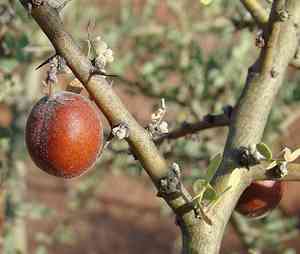
Originating from dry environments, chañar is recognized for its resilient characteristics and palatable, sugary fruit. Essential trimming methods involve reducing dense branches to enhance airflow and excising deceased or ailing wood to preserve the plant's well-being. The ideal period for pruning is from late winter to early spring, aligning with its dormant phase to stimulate robust new development. Trimming chañar at this juncture facilitates recovery and minimizes strain, boosting yield and extending the plant's longevity.
What Are the Benefits of Pruning Chañar?
What Are the Benefits of Pruning Chañar?
Trimming chañar promotes robust development by eliminating old or lifeless branches, thereby stimulating new growth. It also preserves the plant's desired form and dimensions, preventing excessive growth and ensuring an attractive appearance.
What Is the Best Time for Pruning Chañar?
What Is the Best Time for Pruning Chañar?
Pruning in late winter is advantageous for chañar as it aids in preventing disease dissemination and allows for clear structural visibility without foliage. Trimming in early spring, just prior to new growth, fosters a healthy growth cycle and minimizes plant stress. Additionally, these periods occur post-harvest and avoid the blooming or fruiting stages, thus safeguarding chañar's reproductive cycle and yield.
What Tools Do I Need to Prune Chañar?
Hand Pruners
Hand pruners, also known as secateurs, are perfect for cutting small branches and twigs of chañar up to 3/4 inches in diameter. They deliver clean, precise cuts, essential for chañar's well-being.
Lopping Shears
For chañar branches between 3/4 inches and 2 inches thick, lopping shears provide the necessary leverage and cutting power without harming the plant.
Pruning Saw
For chañar branches exceeding 2 inches in diameter, a pruning saw is required. It enables cutting through thicker wood without damaging the main structure of chañar.
Pole Pruner
If chañar has elevated branches needing pruning, a pole pruner can reach them without a ladder, ensuring safety and efficiency.
Hedge Shears
For shaping and managing chañar's foliage, hedge shears can be used to trim and shape hedges or the bushy growth of chañar, allowing control over its appearance.
How to Prune Chañar
Clean Tools
Before pruning chañar, sanitize all cutting implements with a bleach or alcohol solution to prevent disease transmission.
Inspect
Examine chañar closely to identify dead and diseased branches. Look for branches with discolored bark, lack of leaves, or visible signs of infection.
Cut Dead Branches
Using sharp, clean pruning shears, make cuts on dead branches of chañar at a 45-degree angle near the main trunk or the closest healthy branch, without harming the collar.
Cut Diseased Branches
Prune any diseased branches on chañar well below the affected area to ensure all diseased tissue is removed. Make clean cuts to promote rapid healing.
Dispose
Finally, discard all removed material from chañar away from healthy plants to prevent any disease spread. Do not compost diseased plant material.
Common Pruning Mistakes with Chañar
Over-Pruning
Removing too much growth at once can stress chañar, leading to weakened defenses and potential disease or pest infestation.
Improper Cuts
Cutting too close to the main stem or leaving too large a stub can hinder chañar's healing and encourage disease.
Tearing Bark
Ripping and tearing the bark during pruning can expose chañar to infections and pests, as it damages the plant's protective barrier.
Neglecting Tool Sanitation
Not sterilizing pruning tools before and after use can spread disease between plants or introduce pathogens into chañar's wounds.
Random Cutting
Pruning without a plan or understanding of chañar's growth patterns can result in an unbalanced shape and affect its overall health and productivity.
Common Pruning Tips for Chañar
Sharp Tools
Use well-sharpened, clean pruning tools to make precise cuts that heal quickly, helping chañar maintain good health.
Angled Cuts
Make cuts at a 45-degree angle away from the bud to encourage water runoff and prevent rot, which is vital for chañar's recovery and growth.
Thin Out
Thin out dense areas to improve air circulation, which minimizes the risk of fungal diseases and benefits chañar's overall vigor and fruit production.
Crossing Branches
Remove crossing branches to prevent them from rubbing against each other and causing wounds that could be entry points for pests and diseases affecting chañar.
Dead Or Diseased
Regularly remove dead, diseased, or damaged branches to promote chañar's healthy growth and to allocate more resources to new growth and blooming.



