How to Propagate Chañar?
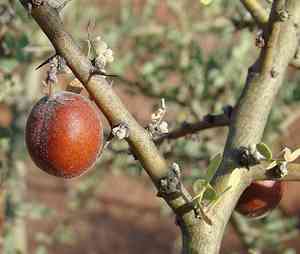
Chañar is a plant that tolerates dry conditions, possessing distinct features for parched surroundings. Reproduction is typically achieved via cuttings, necessitating the selection of robust, non-blooming branches. To enhance the likelihood of success, cuttings ought to be dipped in rooting compounds and placed in soil that drains effectively, exposed to sufficient sunlight. Regular irrigation assists in the formation of roots, though care must be taken to prevent excessive moisture, which can cause root decay. Cultivating a favorable setting by emulating chañar's native ecosystem will foster more vigorous development.
Optimal Time for Chañar Propagation
Propagation Method
Cutting
Propagation Period
Autumn,Winter
Tools for Chañar Propagation
Sharp Pruning Shears
These are vital for making clean, precise cuts when taking chañar cuttings. A clean cut reduces infection risk and promotes faster healing, boosting rooting success. Sharpness ensures smooth cuts without crushing plant tissues, crucial for chañar's delicate stems.
Rooting Hormone Powder
This substance encourages root development in chañar cuttings. Applying rooting hormone enhances root formation, significantly increasing propagation success. This hormonal boost is especially important for chañar, which might otherwise root slowly or with difficulty.
Sterilized Potting Mix
A high-quality, sterilized potting mix offers a disease-free environment for chañar cuttings to establish. The absence of pathogens supports healthy root growth and minimizes soil-borne disease risks, crucial during chañar's initial delicate growth phases.
Humidity Dome
This tool maintains high humidity around chañar cuttings, essential to prevent moisture loss through leaves. Keeping high humidity ensures cuttings don't dry out before rooting, thereby improving overall propagation success.
Chañar Propagation Difficulty
Propagation Type
Moderately Difficult
Post-Propagation Care for Chañar
How to Care for Your Newly Propagated Chañar?
After successful propagation, gradually move chañar to its permanent sunny location for optimal growth. Chañar is drought-tolerant, but consistent watering during the first growing season helps establish a strong root system. Minimal pruning is needed, mainly for shaping or removing dead branches. Fertilize based on soil type, typically with a balanced fertilizer during the growing season to support healthy growth and fruit production.
Common Errors in Chañar Propagation
Insufficient seed scarification
Chañar's hard seed coat can hinder water absorption and prevent germination. Failing to address this can significantly delay or even stop sprouting.
Overwatering young plants
Excessive moisture can lead to fungal diseases like root rot, particularly damaging to chañar's delicate roots during early growth stages.
Using nutrient-rich soils
Chañar originates from poor soil environments. Placing it in overly fertile soils can result in lush vegetative growth at the expense of proper root and overall plant development.
Chañar Propagation Advice
Seed Scarification
Improve germination rates by mechanically scarifying chañar seeds or using a hot water soak to soften the tough seed coat before planting.
Well-draining soil
Mimic chañar's natural habitat by using sandy or gravely soil mixes that ensure good drainage while retaining enough moisture to support growth without becoming waterlogged.
Moderate Watering
Establish a watering routine that keeps the soil moist but not saturated, accommodating chañar's drought-resistant nature and promoting healthier root development.



