How to Transplant Spring gentian?
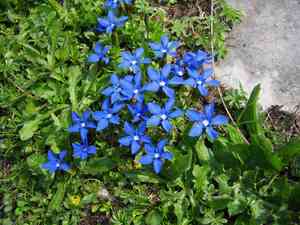
The prime time for relocating spring gentian is as temperatures rise, generally from late spring through early summer. This timing enables the plant to settle into its new environment with optimal soil warmth and stability. Select a site that provides abundant sunlight and soil with good drainage to facilitate a successful transfer. Ensuring these elements will give spring gentian the most favorable beginning in its new spot.
What Preparations are Necessary Before Relocating Spring Gentian?
What is the Optimal Period for Moving Spring Gentian?
The best time to move spring gentian is from late spring to early summer. This period offers mild weather, aiding root development without harsh temperatures. Transplanting spring gentian then ensures robust growth, utilizing the upcoming long growing season. Methodically transfer spring gentian during this window to encourage strong development and abundant blooms in its new spot.
How Much Space Should You Provide Between Spring Gentian Plants?
Allow a 1-2 foot (30-60 cm) gap around each spring gentian when transplanting. This provides ample room for the plant to establish and grow healthily, preventing overcrowding.
What is the Best Soil Mixture for Spring Gentian Relocation?
Prepare the soil for spring gentian. Use well-draining, peaty soil and add some slow-release granular fertilizer at the base before planting. This enriches the ground for your new plant!
Where Should You Replant Your Spring Gentian?
An ideal location for spring gentian is an area with full sun or partial shade. It thrives in sunlight, so ensure it receives plenty of daylight for optimal growth!
What Equipment Should You Prepare Before Transplanting Spring Gentian?
Gardening Gloves
To safeguard your hands while handling soil and during the spring gentian transplanting process.
Shovel or Trowel
These tools are essential for excavating the plant from its original spot and for planting it in the new location.
Bucket or Garden Cart
Depending on the spring gentian's size, you might need something to transport the plant and its root ball from the old site to the new one.
Watering Can or Hose with a Gentle Spray Nozzle
This will be used to hydrate the spring gentian before, during, and after the transplanting procedure.
How Do You Extract Spring Gentian from the Soil?
How Do You Extract Spring Gentian from the Soil?
From Ground: First, saturate the soil around the spring gentian to soften it. Then, dig a wide trench around the plant with a shovel or trowel, ensuring the root ball remains intact. Carefully work the spade under the root ball to lift the plant from its original position.From Pot: Begin by thoroughly watering the spring gentian; this helps reduce transplant shock. Gently turn the pot sideways, hold the plant steady, and tap the pot's rim against a solid surface. This will loosen the root ball, allowing it to slide out. Be very careful not to harm the root system.From Seedling Tray: Seedlings are typically transplanted once they have developed their first true leaves. Water the spring gentian tray well and carefully separate a section of seedlings. While holding the stem's base, lift it cautiously, trying to retain as much original soil as possible. Avoid holding by the stem.
Step-by-Step Guide for Transplanting Spring Gentian
Preparation
Confirm the new site is ready for transplanting. Dig a hole twice as wide and as deep as the spring gentian's root ball. Remember to loosen the soil at the bottom of the hole.
Transplanting
Transport the spring gentian to its new location using a bucket or garden cart, if necessary. Gently place the plant in the hole, ensuring it is centered. The plant should be at the same depth as it was previously.
Backfilling
Slowly refill the hole with the original soil, gently firming it around the spring gentian's base. Avoid compacting the soil too much, as this can hinder water absorption and root growth.
Watering
Use the watering can or hose to moisten the soil around the plant. Be gentle to prevent washing away soil or damaging the plant.
How Do You Care For Spring Gentian After Transplanting?
Monitoring
Initially, observe the spring gentian; it should begin to recover within a couple of weeks. Yellowing or wilting leaves might indicate transplant shock. Continuous careful monitoring will help you address any issues promptly.
Pruning
After transplanting, prune the spring gentian if needed. This can help it conserve energy and recover faster. However, remember that different plants have varying pruning needs, so check those specifically.
Frost Protection
If nights are still cold and there's a risk of frost after transplanting, consider covering the spring gentian with a cloth or plastic cover at night. This will help shield the young plant from damage.
Regular Watering
The spring gentian will require a consistent water supply while establishing its roots. Water it frequently, but avoid overwatering, which can lead to rot.
Troubleshooting Common Issues with Spring Gentian Transplantation.
When is the best time to transplant spring gentian?
The ideal period to move spring gentian is from late summer to early autumn (S3-S4). This allows the plant ample time to establish before winter.
How much space does spring gentian need when transplanting?
Spring gentian thrives with room to grow! Aim for a spacing of approximately 1-2 feet (30-60 cm) when transplanting.
Why is spring gentian wilting after I've transplanted it?
Transplant shock could be the cause. Ensuring proper hydration, suitable soil, and avoiding extreme weather can alleviate this.
How important is soil type for transplanting spring gentian?
Extremely important! Spring gentian prefers well-draining, slightly acidic soil. Providing this helps ensure a successful transplant.
What's the correct depth for planting spring gentian during transplanting?
Plant spring gentian at the same depth it was in its previous pot. Planting too deep or shallow can cause growth problems.
How can I ensure spring gentian stays healthy after transplanting?
Adequate watering, sunlight, and using a balanced, slow-release fertilizer can help keep spring gentian thriving post-transplant.
How should I water spring gentian after transplanting?
Spring gentian prefers moderate watering – not overly wet, not too dry. Adjust watering based on soil moisture levels for optimal results.
Can transplanting spring gentian in the wrong season affect its growth?
Yes, transplanting spring gentian outside of late summer to early autumn periods may stress the plant and impede its development.
What happens if I planted spring gentian too close together during transplanting?
Crowding can lead to competition for resources. This could eventually result in poor growth and potentially increased susceptibility to disease.
Why are the leaves of my transplanted spring gentian turning yellow?
This could be due to water stress, nutrient deficiencies, or possibly disease. Review care conditions and make adjustments as needed.



