The Hidden Danger in Your Home? Unmasking the Toxicity of the Spring gentian Plant.
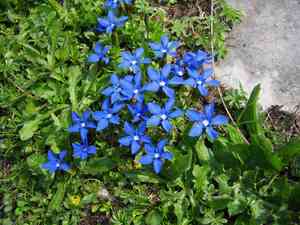
1
Spring gentian possesses seco-iridoids and xanthones, rendering all its components potentially toxic if consumed.
2
Even a minor intake of spring gentian can lead to sickness, throwing up, and loose stools in people.
3
Canines and felines may experience digestive distress and sluggishness from consuming any portion of spring gentian.
Is Spring gentian toxic to humans?
Spring gentian exhibits a low level of toxicity for people, with the whole plant capable of inducing harm if consumed. The harmful compounds, seco-iridoids and xanthones, are found throughout spring gentian, rendering all sections potentially dangerous. When eaten, these substances can trigger various symptoms, possibly including digestive issues like sickness, throwing up, and loose stools. Furthermore, individuals might experience headaches, lightheadedness, and a general feeling of unwellness. Given the widespread presence of toxic elements in spring gentian, even unintentional intake of small quantities can lead to these negative reactions. It is vital for people to understand spring gentian's toxicity to avoid accidental poisoning.
Is Spring gentian toxic to cat?
Spring gentian possesses a slight degree of toxicity for felines. Cats might suffer poisoning by inadvertently consuming any portion of the plant, as the entire spring gentian is harmful. The toxic agents are seco-iridoids and xanthones, which can cause negative health effects upon ingestion. Possible symptoms include digestive upset, such as throwing up or loose stools; sluggishness; or other indications of physical discomfort. Should spring gentian poisoning be suspected, it is essential to obtain prompt veterinary attention to safeguard the cat's health.
Is Spring gentian toxic to dog?
The plant species in question, spring gentian, poses a minor toxicity threat to canines. Dogs may be poisoned if they ingest any part of the plant, as the whole plant is deemed toxic. Dogs typically encounter spring gentian through accidental consumption while exploring outside. After exposure to spring gentian, dogs might display symptoms indicating poisoning, which could involve digestive upset, such as vomiting and diarrhea, lethargy, or more serious signs depending on the quantity consumed. The toxic compounds in spring gentian are seco-iridoids and xanthones, substances that can negatively impact a dog's health. If you suspect your dog has eaten spring gentian, it is crucial to seek immediate veterinary care to ensure the best possible outcome for your pet.



