How to Prune Spring gentian?
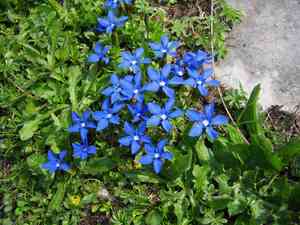
This mountain perennial, recognized for its vibrant blue blossoms, needs very little trimming. Spring gentian thrives with the removal of spent flowers to stimulate additional flowering. Once blooming concludes, snip off the withered blossoms. In the springtime, eliminate any deceased or injured leaves to foster fresh development. Refrain from autumn pruning to safeguard the buds for the subsequent season. Periodic tidying helps sustain the plant's well-being without significant cutting, preserving spring gentian's inherent mounded form and readying it for vigorous seasonal exhibitions.
What Are the Benefits of Pruning Spring Gentian?
What Are the Benefits of Pruning Spring Gentian?
Trimming spring gentian promotes robust development and maintains its compact shape. It eliminates dead or weak stems, fostering strong new growth and preserving its tidy, appealing form.
What Is the Best Time for Pruning Spring Gentian?
What Is the Best Time for Pruning Spring Gentian?
Late spring is optimal for trimming spring gentian as its blooming period has just concluded, preventing harm to flowers and ensuring energy isn't wasted on already faded blossoms. Early summer allows for the removal of any dead or damaged growth post-flowering, encouraging a subsequent bloom later in the season. Autumn pruning is not advised for spring gentian as this is when the plant prepares for dormancy, and cutting it back then could impede its ability to survive winter.
What Tools Do I Need to Prune Spring Gentian?
Micro-Tip Pruning Snips
Excellent for delicate cutting, enabling precision in trimming spring gentian, which typically requires minimal cutting due to its small size and low growth habit.
Fine-pointed Scissors
Perfect for snipping small or fragile parts of spring gentian, allowing gardeners to carefully shape the plant without harming its structure.
Small Gardening Shears
Useful for cutting larger sections or deadheading spring gentian after blooming, ensuring a clean cut without damaging the plant's base.
Tweezers
Helpful for removing dead leaves or minor debris from spring gentian without disturbing the roots or dense foliage.
How to Prune Spring Gentian
Clean and Sharpen Tools
Ensure all pruning implements are clean and sharp to prevent disease transmission and to make precise cuts without harming spring gentian.
Remove Dead Material
Carefully cut away dead branches and withered leaves from spring gentian, making cuts close to the base without damaging the main structure.
Excise Diseased Parts
Identify and meticulously remove diseased branches and leaves from spring gentian, cutting affected sections back to healthy tissue.
Shape the Plant
Lightly trim spring gentian to maintain its natural form, removing any excessive growth that detracts from its appearance or health.
Disinfect Tools
After pruning, sanitize tools to prevent disease transmission to spring gentian or other plants in future use.
Common Pruning Mistakes with Spring Gentian
Over-pruning
A common error is removing too much foliage, which can stress spring gentian and hinder its ability to photosynthesize effectively and produce energy for growth and flowering.
Improper cuts
Incorrect cutting technique can damage the stems of spring gentian and make the plant more vulnerable to disease. Cuts should be clean and at the correct angle to promote healing.
Pruning too late
Cutting back spring gentian after its growth cycle has begun can disrupt its natural development, potentially reducing its vigor and bloom.
Ignoring diseased material
Failing to remove dead or diseased plant matter can attract pests or diseases, negatively impacting the overall health of spring gentian.
Using unclean tools
Not sanitizing pruning tools before use can spread pathogens between plants, risking the health of spring gentian and other garden species.
Common Pruning Tips for Spring Gentian
Selective thinning
Carefully thin out crowded areas of spring gentian to improve air circulation and light penetration, which can enhance plant health and flower production.
Promoting new growth
Encouraging growth can be achieved by making pruning cuts just above a set of leaves or growing points. This will help stimulate spring gentian to produce new, healthy shoots.
Tool care
Always use sharp and properly maintained tools for pruning spring gentian, as this leads to cleaner cuts that heal more quickly and reduce stress on the plant.
Immediate disposal
Dispose of any pruned material immediately, especially if it is diseased or dead, to minimize the risk of spread to healthy parts of spring gentian or other plants.
Post-bloom trim
After spring gentian has finished flowering, give the plant a light trim to remove spent blooms and maintain its shape, which can also encourage a second bloom in some varieties.



