How to Propagate Spring gentian?
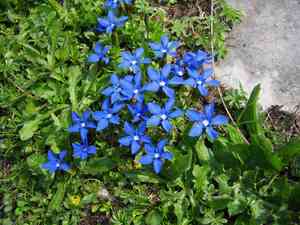
The most effective method for propagating Spring gentian involves using cuttings. To foster successful root development, ensure a growing medium with excellent drainage and sustain elevated humidity levels surrounding the cuttings. It is crucial to keep the substrate slightly damp, yet exercise caution to prevent excessive watering, which could induce decay. Positioning the container in a spot with ample, diffused illumination supports ideal development. After rooting has occurred, progressively introduce the nascent plants to standard environmental conditions.
Optimal Time for Spring Gentian Propagation
Propagation Method
Cutting
Propagation Period
Spring,Summer
Tools for Spring Gentian Propagation
Sharp, Sterile Pruning Shears
Crucial for obtaining clean and precise spring gentian cuttings, sharp pruning shears prevent harm to the parent plant and ensure a neat cut, vital for successful rooting and the health of the cuttings. Sterilized blades help prevent disease transmission at the cut sites.
Rooting Hormone
Rooting hormone powder or gel boosts the rooting success of spring gentian cuttings by encouraging faster root development, shortening propagation time, and increasing the overall success rate. It is particularly beneficial given spring gentian's specific needs for establishing a strong root system.
Propagating Tray with Dome
Used to maintain consistent humidity and temperature for spring gentian cuttings, propagating trays with domes create an ideal microenvironment beneficial for the rooting process. The controlled environment helps to prevent moisture loss and protects cuttings from external stresses.
Perlite or Vermiculite
These are often used in the propagation medium to improve aeration and drainage, crucial for the delicate roots of spring gentian to develop without the risk of waterlogging and root rot. Mixing these substances with peat or soil can create an optimal growing medium for new spring gentian plants.
Heating Mat
Because spring gentian may require consistent and slightly warmer soil temperatures for optimal root development, a heating mat can be used under the propagating tray to ensure these conditions, particularly in cooler climates or during the cooler parts of the year.
How to Propagate Spring Gentian?
Propagation Type
Easy
Caring for Your Newly Propagated Spring Gentian
Caring for Your Newly Propagated Spring Gentian
Post-propagation, spring gentian should be kept in conditions mirroring its natural alpine habitatâcool temperatures and partial shade. Water moderately to keep the soil consistently moist but not waterlogged. Avoid direct sunlight as it may scorch young plants. Fertilization is not heavily needed; a light application of a balanced, water-soluble fertilizer every few months during the growing season is sufficient. As the plant matures, gradually acclimate it to less humid conditions by removing the plastic cover and monitoring moisture levels.
Common Mistakes to Avoid When Propagating Spring Gentian
Overwatering
When propagating spring gentian, a common error is excessive watering, which can lead to root rot and fungal diseases. This species prefers well-drained soils, and too much moisture can be detrimental to its health.
Deep planting
Gardeners often plant spring gentian seeds too deeply, which can hinder germination since the seeds require light to germinate effectively. Planting them too deep may prevent them from receiving necessary light.
Ignoring soil pH
Spring gentian thrives in slightly acidic to neutral soil. Disregarding the pH requirements can lead to poor plant health and unsuccessful propagation, as incorrect pH can impede nutrient absorption.
Tips For Propagating Spring Gentian
Surface sowing
To ensure successful seed germination for spring gentian, practice surface sowing. This method exposes the seeds to adequate light, which is crucial for their germination.
Cold stratification
Providing a period of cold stratification can enhance germination rates for spring gentian's seeds. This process simulates the natural winter conditions that seeds typically undergo before sprouting.
Use of acidic substrates
To cater to spring gentian's preference for specific soil types, incorporating acidic substrates such as sphagnum peat into the soil mix can help maintain an ideal pH and support healthier growth and propagation.



