How to Transplant Dyer's greenweed?
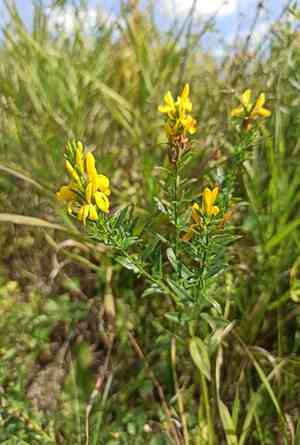
Transplanting dyer's greenweed flourishes optimally when moved from the revitalizing warmth of early spring until the mild period of late spring. Choose a bright location with soil that drains effectively. Minimal disruption to the root system during this interval fosters vigorous development.
What Preparations are Needed Before Transplanting Dyer's Greenweed?
What is the Ideal Time for Transplanting Dyer's Greenweed?
The optimal period for relocating dyer's greenweed spans from early spring's onset to the brink of summer, a timeframe that naturally aligns with its growth cycle. This allows roots to establish in mild conditions, ensuring strong development before summer's intense heat. Furthermore, transplanting dyer's greenweed during this window enables them to benefit from spring rains, fostering a supportive environment for new growth, leading to lush vibrancy.
How Much Space Should You Leave Between Dyer's Greenweed Plants?
When re-homing dyer's greenweed, provide ample room for growth! Aim for a transplant spacing of approximately 12 inches to 3 feet apart, which is roughly 30 cm to 91 cm. This ensures each plant has sufficient space to develop robustly and healthily!
What is the Best Soil Mix for Dyer's Greenweed Transplanting?
For thriving dyer's greenweed roots, prepare a well-draining soil blend with some compost. Incorporating an all-purpose fertilizer will provide the necessary boost. Seek soil that isn't too dense, favoring loamy mixtures that allow roots to breathe and absorb water effectively.
Where Should You Relocate Your Dyer's Greenweed?
Select a sunny location for your dyer's greenweed that receives at least 6 hours of sunlight daily. They flourish in the sun's warmth! Partial shade can also work, but full sun is where dyer's greenweed truly excels, adding vibrant colors to your garden!
What Equipments Should You Prepare Before Transplantation Dyer's Greenweed?
Gardening Gloves
To safeguard your hands while handling soil and plants.
Shovel or Spade
For digging and carefully lifting the plant.
Watering Can
To pre-moisten the plant before removal and hydrate after transplanting.
Garden Trowel
For precise soil manipulation and digging smaller holes for transplanting if needed.
Wheelbarrow or Plant Cart
To move the plant from its original spot to the new location.
Pruning Shears
To trim any dead or excess parts prior to transplanting.
Measuring Tape
To determine the correct depth and distance for the planting hole.
How Do You Remove Dyer's Greenweed from the Soil?
How Do You Remove Dyer's Greenweed from the Soil?
From Ground: First, water the dyer's greenweed plant to moisten the soil. Then, dig a wide trench around the plant using a shovel or spade, ensuring the root ball remains intact. Carefully work the spade beneath the root ball to lift the plant from its original position.From Pot: Begin by watering the dyer's greenweed in the pot to make the soil damp. Turn the pot sideways, gently tap, and ease the plant out. If the plant is root-bound, lightly separate the roots.From Seedling Tray: Water the dyer's greenweed seedlings to ensure the soil is moist. Use a garden trowel or your fingers to gently lift each plant from its cell, being careful to support the root ball and prevent damage.
Step-by-Step Guide for Transplanting Dyer's Greenweed
Preparation
Start watering your dyer's greenweed a day before transplanting to ensure it is adequately hydrated.
Digging the Hole
Excavate a hole in the ground that is twice the width of the root ball and of equal depth to keep the root crown level with the soil surface.
Placing the Plant
Gently position the dyer's greenweed in the center of the new hole, spreading out the roots if they were constrained in a pot or tangled.
Backfilling Soil
Carefully refill the hole with soil, lightly tamping down around the plant to eliminate any air pockets.
Watering
Thoroughly water the dyer's greenweed to settle the soil and provide moisture to the roots.
Adding Mulch
Apply a layer of mulch around the base of the dyer's greenweed to help retain moisture and suppress weeds, keeping it away from the plant's stem.
Staking (if necessary)
If the dyer's greenweed is tall and susceptible to wind damage, install stakes for support and loosely tie the plant to the stakes with garden ties.
How Do You Care For Dyer's Greenweed After Transplanting?
Monitoring
Observe the dyer's greenweed for signs of transplant shock, such as wilting or discolored leaves, and intervene if needed.
Pruning
Trim any damaged or diseased stems to encourage vigorous new growth.
Support
Inspect and adjust any supports or ties, ensuring they are secure but not hindering the growth of the dyer's greenweed.
Regular Care
Continue with standard care routines, including weeding and checking for pests or diseases.
Troubleshooting Common Issues with Dyer's Greenweed Transplantation.
What's the optimal transplanting time for dyer's greenweed?
The best time is from the peak of spring to its later stages; this typically spans from March to May.
How much space does dyer's greenweed need between plants?
Each dyer's greenweed requires a generous space ranging from 12 inches to 3 feet (30 cm to 91 cm) apart.
What should I do if dyer's greenweed's leaves wilt after transplanting?
Ensure it receives sufficient water, but avoid overwatering. Providing adequate shade during the hottest hours can also be beneficial.
My dyer's greenweed isn't thriving post-transplant, any tips?
Check for root-bound conditions before transplanting and ensure it's planted at the same depth it was previously growing.
Is there a preferred soil type for transplanting dyer's greenweed?
Yes, dyer's greenweed flourishes in well-drained soil enriched with organic matter.
Do I need to fertilize dyer's greenweed after transplanting?
After transplanting, wait approximately 4-6 weeks before applying a balanced, slow-release fertilizer to prevent root burn.
How much sunlight does dyer's greenweed need after being transplanted?
Dyer's greenweed thrives in sunlight. Ensure it receives full sun to partial shade for robust growth.
How do I avoid transplant shock with dyer's greenweed?
Water thoroughly after transplanting and maintain consistent moisture levels. Also, minimize root disturbance during the process.
Is there a proper depth to transplant dyer's greenweed?
Absolutely, plant dyer's greenweed so that the root crown is just at soil level, similar to its original growing condition.
Can dyer's greenweed be transplanted in fall?
It's riskier due to colder temperatures; spring's gentle warmth makes it the ideal time for dyer's greenweed's successful transplant.



