How Much Sunlight Do Dyer's greenweed Need?
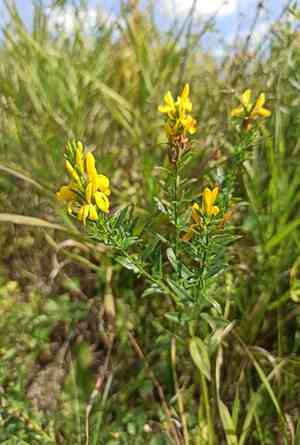
1
Dyer's greenweed flourishes optimally in bright, direct sunlight, needing more than 6 hours daily.
2
It can endure some shade, though its development might be less vigorous.
3
Observe your plant for indications of distress like discolored foliage or inhibited growth to modify its light conditions.
Optimal Light Conditions for Dyer's greenweed
Full Sun Exposure
Dyer's greenweed thrives in environments where it gets abundant direct sunlight for most of the day. Ideally, this means situating the plant where it can receive over 6 hours of sun daily. Generally, a south-facing location is best for this plant. Full sunlight promotes robust growth, plentiful blooms, and enhances the plant's overall resilience to pests and diseases.
Partial Shade Tolerance
Although Dyer's greenweed flourishes in full sun, it can endure partial shade. In locations where full sun isn't feasible, you can still cultivate this plant, but be aware that growth might be slower, and flowering less abundant. Light shade is preferable to deep shade, as insufficient light can impact its vigor and blooming capacity.
How to Determine Proper Sunlight for Dyer's greenweed
Monitoring Plant Health and Development
Regularly inspect your Dyer's greenweed for indications of healthy development. Thriving plants will display vibrant green foliage and consistent blooming. If you observe yellowing leaves or stunted growth, this could signal that your plant isn't receiving enough sunlight. Relocating the plant or pruning nearby vegetation to increase light exposure might be necessary.
Seasonal Variations and Light Intensity
Dyer's greenweed can be sensitive to the changing light patterns throughout the year. During the active growth periods of spring and summer, ensure the plant gets ample light as days lengthen. Conversely, in autumn and winter when light levels decrease, you might need to reposition the plant to a more favorable spot to maximize light exposure.
Consequences of Too Much or Too Little Sun for Dyer's greenweed
Effects of Excessive Sunlight
While Dyer's greenweed can handle full sun, extreme exposure during peak summer heat can sometimes cause stress. Look for signs such as leaf scorch or wilting during the hottest parts of the day. Providing some afternoon shade can help alleviate these issues.
Symptoms of Insufficient Sunlight
Too little sunlight can lead to weak stems, sparse flowering, and leaves turning a pale green or yellow. Without adequate light, Dyer's greenweed may become leggy as it stretches toward the light source. Ensuring it receives at least 6 hours of sun per day can help maintain its health and aesthetic appeal.
Advice for Optimizing Sunlight for Dyer's greenweed
Garden Placement
Strategically placing your Dyer's greenweed in a location that receives morning and early afternoon sun can optimize its growth. South-facing gardens or open areas are ideal choices. If you're growing in a container, consider moving it to follow the sun as the seasons change.
Utilizing Reflective Surfaces
Boost sunlight exposure by employing reflective surfaces like white walls or light-colored garden decorations to direct additional light onto your plant. This can be especially beneficial in confined spaces or during periods of reduced natural light.



