How to Prune Dyer's greenweed?
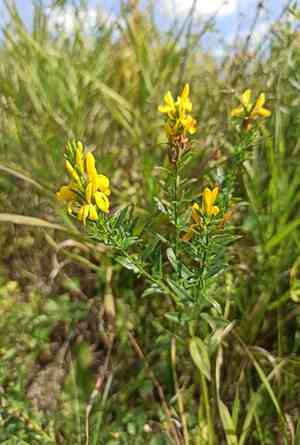
This resilient, leaf-shedding shrub, recognized for its bright yellow blossoms and application in fabric coloring, thrives with trimming in the initial part of spring or during winter. To achieve peak vitality and flowering, prune dyer's greenweed following its blooming period to preserve its form and stimulate fresh development. Reduce older stalks to the soil line for revitalization and to avert excessive woodiness. Performing pruning during the appropriate times guarantees robust development and an abundance of flowers, thereby elevating dyer's greenweed's decorative and practical worth in landscapes.
What Are the Benefits of Pruning Dyer's Greenweed?
What Are the Benefits of Pruning Dyer's Greenweed?
Trimming dyer's greenweed encourages new flower development, boosting the plant's aesthetic appeal. It also eliminates unhealthy or lifeless parts, lowering the chance of pest issues and disease transmission.
What Is the Best Time for Pruning Dyer's Greenweed?
What Is the Best Time for Pruning Dyer's Greenweed?
Trimming dyer's greenweed in early spring is advantageous as it precedes the active growth period, allowing the plant to recover from cuts and initiate new growth without stress. It also aids in removing winter-damaged branches, ensuring energy is directed to healthy development. Winter pruning is also ideal since dyer's greenweed is dormant then. This dormancy minimizes sap loss and disease spread that can occur during active growth. Furthermore, the structure of dyer's greenweed is more visible without leaves, enabling more precise cuts and shaping.
What Tools Do I Need to Prune Dyer's Greenweed?
Bypass Pruners
Perfect for making clean cuts on dyer's greenweed's thinner stems, ensuring minimal harm to the plant's tissues.
Lopping Shears
Excellent for cutting thicker branches of dyer's greenweed that bypass pruners cannot manage, thanks to their added leverage.
Pruning Saw
Essential for cutting through dyer's greenweed's mature, woody stems that are too thick for pruners and loppers.
How to Prune Dyer's Greenweed
Remove diseased material
Examine dyer's greenweed thoroughly to find and eliminate diseased leaves and branches. Use clean, sharp pruning shears to make precise cuts without tearing plant tissues, preventing further disease spread.
Clear dead material
Trim away dead branches, withered leaves, and spent flowers. Make cuts at the base of the dead material, being careful not to harm healthy stems and foliage to promote new growth.
Trim wild growth
Identify branches showing excessive growth and selectively cut them back to maintain dyer's greenweed's desired shape. Ensure cuts are made diagonally to encourage water run-off and prevent disease.
Thin out
Reduce density in crowded areas of dyer's greenweed to improve air circulation and light penetration. Remove some older stems at the base to stimulate new growth and rejuvenation.
Cleanup
Gather and dispose of all removed material away from dyer's greenweed to help prevent any potential disease reinfestation. Clean all tools used to prevent transferring pathogens to other plants.
Common Pruning Mistakes with Dyer's Greenweed
Overpruning
Removing too much foliage from dyer's greenweed can weaken the plant, reducing its vigor and flowering potential.
Cutting into old wood
Dyer's greenweed typically does not respond well to severe pruning into old, non-productive wood, which can cause failure to regrow.
Neglecting to remove dead material
Failing to clear away dead or diseased branches can inhibit healthy growth and promote the spread of disease in dyer's greenweed.
Pruning at the wrong angle
Cutting branches at an improper angle can result in water accumulation on the cut surface, increasing the risk of disease in dyer's greenweed.
Using dull tools
Pruning dyer's greenweed with dull tools can lead to jagged cuts that heal poorly and could become entry points for pests and diseases.
Ignoring plant shape
Not considering the natural shape of dyer's greenweed while pruning may result in an unbalanced or unnatural appearance.
Common Pruning Tips for Dyer's Greenweed
Sanitation
Always use clean, sharp tools for pruning dyer's greenweed to make clean cuts and reduce the risk of spreading disease.
Cutting method
When pruning, make cuts just above a leaf node or bud to promote healthy regrowth in dyer's greenweed.
Shaping
Prune dyer's greenweed lightly to maintain its natural shape and promote a more dense and well-branched plant.
Thinning
Thin out crowded branches from dyer's greenweed to increase light penetration and air circulation, improving plant health and reducing the risk of disease.
Deadheading
Regularly remove spent flowers from dyer's greenweed to encourage more blooms and extend the flowering season.
Rejuvenation
Periodically prune older stems of dyer's greenweed to ground level to rejuvenate the plant and encourage new, vigorous growth.



