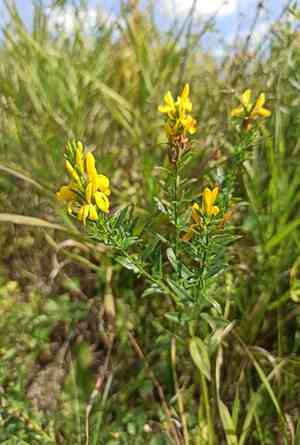
Dyer's greenweed (Genista tinctoria)
Also known as: Dyer's broom, Woodwaxen
Dyer's greenweed, known scientifically as Genista tinctoria, has a long history of use as a natural yellow dye. Among its various garden cultivars, the most renowned is 'Royal Gold'. This particular cultivar has earned the prestigious Award of Garden Merit from the Royal Horticultural Society.
In This Article
Attributes of Dyer's greenweed
Lifespan
Perennial
Plant Type
Shrub
Plant Height
61 cm to 91 cm
Spread
60 cm to 90 cm
Leaf Color
Green
Flower Size
2.5 cm
Flower Color
Yellow Gold
Images of Dyer's greenweed
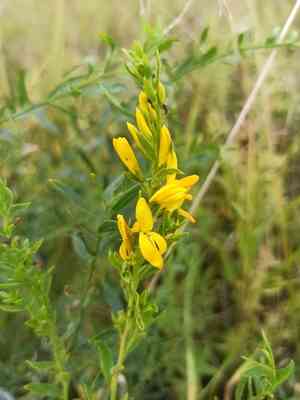
Quickly Identify Dyer's greenweed
1
Vibrant yellow, pea-like flowers in erect clusters distinguish dyer's greenweed.
2
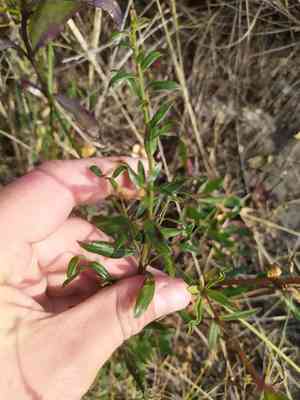
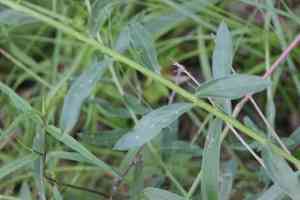
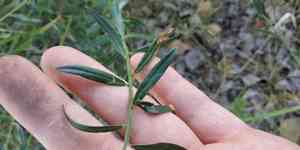
Sessile, elliptic-oblong leaves covered in fine hairs aid dyer's greenweed identification.
3
Slender, firm legume pods measuring 2 inches (5 cm) indicate dyer's greenweed fruit.
4
Vertical, slender stem with sparse hairs and minimal branching defines dyer's greenweed.
5
Bushy shrub with spreading form and multiple stems characterize dyer's greenweed appearance.
Scientific Classification of Dyer's greenweed
Phylum
Vascular plants
Class
Dicotyledons
Order
Fabales
Family
Legume
Genus
Brooms
Species
Dyer's greenweed
Planting and Growing of Dyer's greenweed
Care Difficulty
Easy
Watering Schedule
Every 2 days
Sunlight Requirements
Full sun
Sunshine Duration
6-10 hours
Ideal Temperature
60-75℉
Soil Type
Potting Mix, Peat Mix
Soil pH
6.5-7.5
Fertilizer Type
Balanced
Pruning Season
Spring, Summer
Pruning Area
Branches, Leaves
Pruning Frequency
2 times a year
Repotting Season
Spring
Pot Type
Plastic, Ceramic
 How to Water Dyer's greenweed?
Genista tinctoria prefers its soil to be kept moderately moist, but not waterlogged. It's best to water until about 500 ml has been absorbed by the top layers of soil, ensuring moisture reaches the root level without causing standing water.
What are the symptoms of an underwatered Dyer's greenweed?
›
What should I do if my Dyer's greenweed is not getting enough water?
›
What are the symptoms of an overwatered Dyer's greenweed?
›
How to save an overwatered Dyer's greenweed?
›
 What Are the Sunlight Requirements for Dyer's greenweed?
Full sun to partial sun is ideal for Genista tinctoria, as it supports its growth and flowering. Ample light promotes vigorous development, a robust structure, and prolific blossoming.
More About Sunlight Requirements Techniques→
How much sunlight does Genista tinctoria need?
›
What are the solutions to achieve ideal lighting conditions for Genista tinctoria?
›
What benefits does achieving ideal lighting bring to Genista tinctoria?
›
 What Is the Ideal Temperature Range for Dyer's greenweed?
The ideal temperature range for cultivating Genista tinctoria is between 60°F and 75°F. This range provides the best conditions for growth and flowering. Maintaining temperatures within this range helps ensure healthy plant development and optimal blooming. It is important to monitor temperatures closely to keep them within this favorable range, particularly in fluctuating climates.
 What Soil is Best for Dyer's greenweed?
Genista tinctoria thrives best in well-drained soil, preventing root rot and allowing the roots to access necessary nutrients. Good drainage ensures the plant has sufficient oxygen, promoting healthy growth and vibrant blooms. While adaptable, Genista tinctoria prefers soil enriched with organic matter. This ensures adequate nourishment, supporting robust foliage and consistent flowering. Enriching soil improves its fertility, structure, and moisture retention. A balanced moisture level in the soil is critical for Genista tinctoria, as it doesn't fare well in overly dry or waterlogged conditions. Consistent moisture encourages stable growth and prevents stress-related issues.
 How to Fertilize Dyer's greenweed?
For Genista tinctoria, it is crucial to apply a balanced fertilizer sparingly, as over-fertilization can damage the plant. Use approximately half of the recommended amount on the fertilizer package when applying liquid fertilizer, which ensures the plant gets the nutrients it needs without overwhelming it.
 How to Prune Dyer's greenweed?
Start by removing any dead, damaged, or diseased branches to keep the plant healthy. Use sharp, clean pruners to trim back about a third of the plant's growth to maintain a compact form. Focus on thinning out dense areas to allow for better air circulation and light penetration. Aim to create an open structure that lets sunlight reach all parts of the plant, encouraging vibrant new foliage.
More About Pruning Techniques→
 How to Propagate Dyer's greenweed plant?
1
Collect seeds from mature pods and sow them in seed trays filled with a well-draining soil mix. Cover lightly with soil and water gently. Place the trays under indirect sunlight and maintain moisture.
2
Choose semi-hardwood stems in early morning when moisture content is high. Cut 10-15 cm lengths, remove lower leaves, and dip the cut end in rooting hormone before planting in pots with soil mix.
3
During early spring or fall, dig up the plant and gently separate the root ball into sections. Ensure each section has roots and a few shoots. Replant each section in prepared holes at the same depth.
 How to Repot Dyer's greenweed plant?
1
Genista tinctoria should be repotted when you notice roots emerging from the drainage holes, indicating that the plant has outgrown its current pot. Another sign could be that the growth seems stunted, showing a need for more space and nutrients. Timing is ideal in Spring or Autumn, avoiding extremes of temperature.
2
Choose a pot that is only slightly larger than the current one. A pot that is too large might retain excessive moisture, risking root rot. Ensure it has ample drainage holes for the well-being of the plant, allowing excess water to escape and keeping the roots healthy and aerated.
3
Opt for a well-draining, sandy mix to mimic the plant’s natural environment. Such soil ensures proper drainage, prevents waterlogging, and provides a balance of nutrients that can support Genista tinctoria’s growth, ensuring robust and healthy development.
Toxicity
Ingestion
WARNING
The judgment on toxicity and danger is for reference only. We DO NOT GUARANTEE any accuracy of such judgment. Therefore, you SHALL NOT rely on such judgment. It is IMPORTANT TO SEEK PROFESSIONAL ADVICE in advance when necessary.
Learn More About Dyer's greenweed Diseases
Anthracnose
Bacterial Leaf Spot
Bacterial Wilt
Crown Gall
Cyst Nematode
Damping-off
Downy Mildew
Drought Stress
Fusarium Wilt
Gray Mold
Leaf Curl
Leaf Spot
Mosaic
Nutrient Deficiency
Nutrient Toxicity
Powdery Mildew
Root Rot
Root-knot Nematode
Rusts
Sooty Mold
Spider Mites
Temperature Stress
Thrips Damage
White Mold
Chemical Injury



