How to Propagate Dyer's greenweed?
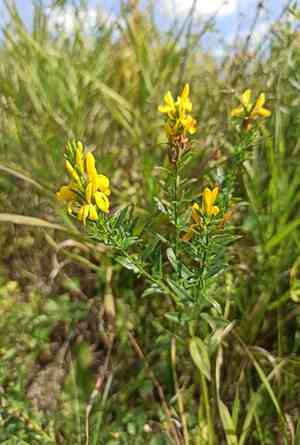
Genista tinctoria flourishes when reproduced via cuttings, a technique highly compatible with its developmental patterns. For effective root formation, choose robust, non-blooming stems and apply a rooting stimulant. Insert these cuttings into a sandy, well-draining soil blend to encourage superior root growth. Sustaining a humid atmosphere is vital, yet exercise caution to avoid excessive watering, which can lead to root decay. Given appropriate attention, these cuttings will take hold and develop robustly.
Optimal Time for Dyer's Greenweed Propagation
Propagation Method
Cutting
Propagation Period
Autumn,Winter
Tools for Propagating Dyer's Greenweed
Sharp pruning shears
These are vital for taking cuttings from dyer's greenweed. Sharp blades ensure a clean cut, minimizing harm to both the parent plant and the cutting. Clean cuts boost rooting success by preventing excessive tissue damage, which can lead to infection or poor root development.
Rooting hormone powder or gel
This product enhances the likelihood of successful rooting by stimulating new root growth. Applying a rooting hormone to the base of dyer's greenweed cuttings can greatly improve root development, which is key for the new plant's establishment.
Sterilized potting mix
A well-draining, sterile potting mix offers an ideal setting for dyer's greenweed cuttings. It helps prevent soil-borne pathogens that could harm unrooted cuttings and provides ample air exchange to support root growth.
Propagation trays
These are used to secure cuttings while they root. Trays should offer adequate drainage and sufficient room for root development. Proper spacing in propagation trays ensures enough air circulation around each cutting, reducing the risk of fungal or mold infections.
Plastic covers or humidity domes
Maintaining high humidity is crucial for dyer's greenweed cuttings to prevent drying out before roots establish. Covers or domes help retain moisture in the air around the cuttings, aiding their survival and root development.
Heat mats (optional)
Though not strictly necessary, heat mats can promote faster rooting by maintaining a consistent temperature, especially useful in cooler conditions. This steady warmth supports metabolic processes in dyer's greenweed cuttings, enhancing their growth and rooting rate.
How to Propagate Dyer's Greenweed?
Propagation Type
Moderately Difficult
Caring for Newly Propagated Dyer's Greenweed
How to Care for Your Newly Propagated Dyer's Greenweed?
Once roots have formed, gradually introduce the new dyer's greenweed plants to their usual growing conditions. Transplant them into larger containers or directly into the garden if the outdoor climate allows. Ensure plants are in full sun and well-draining soil. Water regularly initially, then reduce frequency as dyer's greenweed is somewhat drought-tolerant. Avoid overwatering and check for pests or diseases. Annual pruning after flowering helps maintain shape and encourages vigorous growth.
Common Errors to Avoid When Propagating Dyer's Greenweed
Over-watering
Excessive watering can cause root rot in dyer's greenweed, which is detrimental to the plant's health and hinders successful root development during propagation. This is because dyer's greenweed prefers well-drained soil environments.
Poor cutting selection
Choosing weak or diseased stem cuttings for propagation can lead to poor growth or failure to root. Healthy, robust stems are essential for the successful propagation of dyer's greenweed.
Excessive handling
Frequent handling or disturbance of dyer's greenweed during the rooting process can damage delicate new roots, impeding the plant's establishment and growth.
Tips For Propagating Dyer's Greenweed
Using root hormones
Applying a rooting hormone to dyer's greenweed cuttings can significantly boost the chances of successful root development, promoting stronger growth.
Maintaining humidity
Creating a humid environment around dyer's greenweed cuttings, such as with a plastic cover, can help prevent excessive moisture loss and support root formation.
Proper substrate
Utilizing a well-draining, sandy substrate for dyer's greenweed can prevent waterlogging and promote better root growth and health, which is crucial for robust propagation.



