How to Transplant Needle-leaved broom?
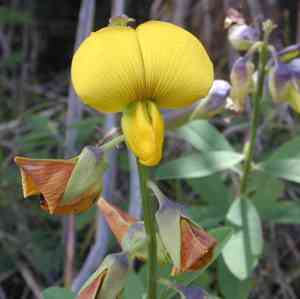
For needle-leaved broom, the prime period for relocation spans from the revitalization of early spring through the threshold of summer's commencement, facilitating superior root integration in adequately drained, sun-exposed areas. Select a site that mirrors its inherent inclination for a smooth adaptation.
Preparations Required Before Moving Needle-leaved Broom
Optimal Period for Relocating Needle-leaved Broom?
Move needle-leaved broom once winter's cold subsides and spring emerges â typically from when the ground thaws until just before summer's heat. Transplanting needle-leaved broom during this timeframe encourages robust root development before summer. It's the season when soil is damp and temperatures are mild, creating an ideal environment for needle-leaved broom's new start. Choosing this period allows needle-leaved broom to adjust without the strain of extreme heat or cold, ensuring a successful, thriving transplant.
Recommended Spacing Between Needle-leaved Broom Plants?
Greetings! You'll want to provide your needle-leaved broom ample room to thrive. Aim to space them approximately 36-48 inches (91-122 cm) apart. This will ensure sufficient area for their growth and development without competing for nutrients or sunlight.
Ideal Soil Blend for Needle-leaved Broom Relocation?
For your needle-leaved broom, you'll need soil that drains well, mimicking its natural growing conditions. A base of sandy or loamy soil is perfect. Make its new home welcoming by incorporating a balanced slow-release fertilizer to give it an excellent start!
Where to Replant Your Needle-leaved Broom?
Sunlight is beneficial for your needle-leaved broom. Select a location where it can receive full sun for most of the day. This sun-loving plant will reward you with vigorous growth when placed in an area that gets at least 6 hours of direct sunlight.
Equipment Needed Before Transplanting Needle-leaved Broom
Gardening Gloves
To safeguard your hands while handling soil and the plant.
Shovel or Spade
For digging around and lifting the needle-leaved broom without harming its root ball.
Watering Can or Hose
To hydrate the needle-leaved broom before and after its relocation.
Measuring Tape
To guarantee correct spacing between new planting spots.
Wheelbarrow
To move the needle-leaved broom and soil if necessary.
Root Pruning Shears
To trim any damaged or excessively long roots.
Mulch
To help maintain soil moisture after the transplant.
How to Extract Needle-leaved Broom from the Soil?
How to Extract Needle-leaved Broom from the Soil?
From Ground: Start by watering the needle-leaved broom to moisten the soil, reducing plant stress. Dig a wide trench around the needle-leaved broom with a shovel or spade, maintaining enough distance to preserve the root ball. Gradually work the tool beneath the root ball, and gently lift the needle-leaved broom, ensuring minimal root disturbance.From Pot: Water the needle-leaved broom and allow it to sit for a while to hydrate the roots. Tilt the pot sideways and tap the bottom to loosen the root ball. Hold the needle-leaved broom by its base and carefully pull it from the pot, supporting the root ball with your other hand.From Seedling Tray: Dampen the soil in the tray to facilitate removal. Use a dibber or small tool to carefully lift each needle-leaved broom seedling by its leaves, not the stem, to prevent damage. Ensure you retrieve the entire root system with minimal soil disruption.
Step-by-Step Guide for Relocating Needle-leaved Broom
Prepare the New Location
Dig a hole twice as wide and the same depth as the needle-leaved broom's root ball. Improve the excavated soil with compost if needed to enhance its structure.
Examine the Roots
Inspect the roots and use root pruning shears to remove any damaged or dead sections. This promotes the growth of new, healthy roots.
Placement
Gently place the needle-leaved broom into the prepared hole, positioning it so the top of the root ball is level with the surrounding ground surface.
Backfill
Carefully refill the hole with the amended soil, tamping it down lightly to eliminate air pockets without over-compacting it.
Water Thoroughly
After planting, water the needle-leaved broom generously to settle the soil around the roots and provide sufficient moisture for the plant.
Add Mulch
Spread a layer of mulch around the needle-leaved broom, keeping it away from the stem, to conserve moisture and regulate soil temperature.
Post-Transplant Care for Needle-leaved Broom
Initial Watering
Water the needle-leaved broom deeply immediately after transplantation and then regularly, allowing the soil to dry slightly between waterings.
Monitoring Growth
Observe the needle-leaved broom for signs of stress in the days and weeks following, which may indicate adjustment issues.
Weeding
Remove any weeds that emerge around the needle-leaved broom to prevent competition for nutrients and water.
Staking
If the needle-leaved broom appears unstable, use stakes to support the plant until its roots are firmly established.
Addressing Common Issues with Needle-leaved Broom Transplantation.
When is the best time to transplant needle-leaved broom?
The ideal period is from early to late spring, allowing needle-leaved broom a full growing season to establish.
How far apart should I space needle-leaved broom when transplanting?
Ensure each needle-leaved broom has ample room to flourish by spacing them 36-48 inches (91-122 cm) apart.
Why does my needle-leaved broom wilt after transplanting?
Wilting might indicate transplant shock. Keep the soil moist and provide shade to aid its recovery.
How deep should the hole be for transplanting needle-leaved broom?
The hole should be as deep as the root ball and twice as wide to encourage root growth.
Do I need to prune needle-leaved broom before transplanting?
Light pruning can help reduce transplant stress by balancing root loss, but is not strictly essential.
Can I transplant needle-leaved broom during summer or fall?
Transplanting needle-leaved broom outside the optimal spring window risks heat or frost damage to its sensitive roots.
How much should I water needle-leaved broom after transplanting?
Water immediately after transplanting to settle the soil, then regularly until the plant is established.
What should I do if needle-leaved broom's leaves turn yellow post-transplant?
Yellowing may suggest stress or overwatering. Check soil moisture and only water when the top inch (2.5 cm) is dry.
Should I use fertilizer when transplanting needle-leaved broom?
Avoid strong fertilizers that could harm roots. Opt for a gentle, transplant-friendly formula, if any.
How do I know the soil is suitable for transplanting needle-leaved broom?
Ensure the soil is well-draining with a neutral to alkaline pH. Prior soil amendments might be necessary.



