How to Prune Needle-leaved broom?
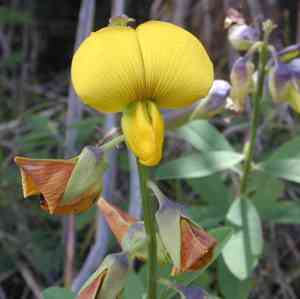
This shrub, indigenous to the Mediterranean region, is recognized for its vivid yellow blooms and slender, pointed foliage. For needle-leaved broom, trimming should prioritize the elimination of deceased or ailing branches, sculpting to preserve an appealing shape, and reducing crowded sections to enhance air movement. The most effective period for pruning is during the winter months when the shrub is inactive. Prompt trimming benefits needle-leaved broom by fostering vigorous new development and averting an elongated appearance, guaranteeing a plentiful exhibition of flowers in the subsequent period.
What Are the Benefits of Pruning Needle-leaved Broom?
What Are the Benefits of Pruning Needle-leaved Broom?
Trimming needle-leaved broom promotes robust development and helps keep its preferred shape. Strategic cuts can revitalize older growth, ensuring a dense and healthy plant structure.
What Is the Best Time for Pruning Needle-leaved Broom?
What Is the Best Time for Pruning Needle-leaved Broom?
Pruning needle-leaved broom during winter allows for shaping without disrupting its natural growth cycle, which typically restarts in spring. This period is ideal as the plant is dormant, reducing stress and the risk of disease transmission common in active growth phases. Winter pruning also prepares needle-leaved broom to channel energy into new growth and abundant blooms the following season. Additionally, the absence of leaves at this time provides a clearer view of the structure, enabling more precise cuts.
What Tools Do I Need to Prune Needle-leaved Broom?
Hand Pruners
Perfect for making clean cuts on needle-leaved broom's slender stems and branches. These are suitable for detailed trimming and shaping.
Loppers
Designed for cutting thicker branches that hand pruners cannot manage. The extended handles offer leverage for cutting needle-leaved broom's tougher stems.
Pruning Saw
Essential for removing any mature, woody stems or branches of needle-leaved broom that are too thick for hand pruners or loppers.
Garden Shears
Useful for quickly trimming and shaping the dense foliage of needle-leaved broom without impacting its natural growth pattern.
Gloves
Protective gloves are crucial to prevent scratches from needle-leaved broom's needle-like foliage during pruning.
How to Prune Needle-leaved Broom
Clean Tools
Before beginning, sanitize all pruning tools to prevent disease spread. This is vital for maintaining needle-leaved broom's health.
Remove Withered Leaves
Carefully trim off all dried leaves from needle-leaved broom, ensuring clean cuts close to the branch to avoid damaging healthy sections.
Cut Dead Branches
Identify and remove dead branches by cutting at a 45-degree angle just above the node or branch collar. This aids healing and prevents water accumulation.
Prune Diseased Branches
Carefully cut away any diseased branches from needle-leaved broom, ensuring the entire affected area is removed. Dispose of diseased material properly to prevent contamination.
Shape Plant
Finish by shaping needle-leaved broom, trimming overgrown branches to maintain the desired form while ensuring no more than one-third of the plant is cut at a time to prevent stress.
Common Pruning Mistakes with Needle-leaved Broom
Over-Pruning
Removing too much foliage at once can stress needle-leaved broom and hinder its ability to photosynthesize effectively.
Improper Cut Locations
Cutting too far from a bud can result in dead stubs, and cutting too close can damage the bud itself, impacting needle-leaved broom's future growth.
Wrong Tools
Using dull or unclean tools can lead to jagged cuts and increase the risk of disease and pest infestations in needle-leaved broom.
Disregarding Plant Architecture
Failing to consider the natural shape of needle-leaved broom during pruning can lead to an unbalanced and aesthetically unpleasing appearance.
Ignoring Dead Or Diseased Branches
Neglecting to remove dead or disease-infested branches can compromise the health of needle-leaved broom and encourage the spread of disease.
Common Pruning Tips for Needle-leaved Broom
Sterilize Tools
Always clean and sterilize pruning tools before and after use to prevent the spread of disease to or from needle-leaved broom.
Diagonal Cuts
Make clean diagonal cuts just above outward-facing buds to encourage outward growth and prevent water accumulation on the cut surface.
Thin Interior
Thin out the interior branches of needle-leaved broom to improve air circulation and light penetration, which supports healthy growth and flowering.
Shape Maintenance
Prune needle-leaved broom to maintain its natural form while controlling its size; focus on reducing density rather than shortening branch length drastically.
Post-Flowering Trim
Trim needle-leaved broom after flowering to stimulate new growth and next season's blooms without affecting the current year's display.



