How Much Sunlight Do Needle-leaved broom Need?
1
Needle-leaved broom flourishes in bright sunlight, needing a minimum of 6 hours of direct sun each day.
2
Although Needle-leaved broom can endure some shade, it's not ideal for its development and bloom production.
3
Needle-leaved broom might need artificial grow lights indoors over winter to sustain its vitality and strength.
Understanding Light Requirements for Needle-leaved broom
Full Sun Exposure
Needle-leaved broom thrives in bright conditions, flourishing with ample sun exposure. Full sun implies the plant receives a minimum of 6 hours of direct sunlight daily. Ideally, this occurs during the morning and early afternoon when solar intensity is moderate. Positioning your Needle-leaved broom in a south-facing area, such as a garden bed or balcony, guarantees it obtains the necessary light for optimal growth.
Partial Shade Considerations
While Needle-leaved broom prefers full sun, it can endure partial shade. Partial shade means the plant gets 3-6 hours of direct sunlight daily, with shade during the remaining hours. However, this isn't optimal for peak growth and vitality. In partial shade, you might observe fewer flowers and less vigorous development. Therefore, if you reside in an area with limited sun, strive to provide your Needle-leaved broom with as much light as possible within these limitations.
Indoor Light Needs
If cultivating Needle-leaved broom indoors, securing adequate sunlight can be more challenging but remains achievable. Position the plant near your brightest window, typically a south or west-facing one. You can also supplement natural light with grow lamps, especially during winter when daylight hours are shorter. Utilize full-spectrum LED grow lights to supply the plant with the necessary light for photosynthesis.
Why Sunlight is Crucial for Needle-leaved broom
Photosynthesis and Growth
Sunlight is vital for photosynthesis, the process where plants convert light energy into chemical energy. For Needle-leaved broom, sufficient sunlight ensures efficient photosynthesis, providing the energy needed for robust development and health. When this plant receives enough light, you'll notice more vigorous foliage and a sturdier structure as it produces ample sustenance.
Flowering and Blooming
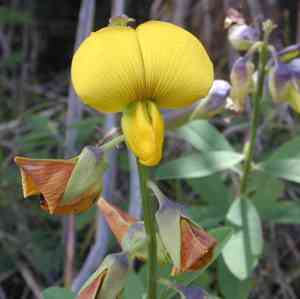
Needle-leaved broom is renowned for its beautiful, vibrant blossoms. Adequate sunlight is essential for promoting these flowers. When this plant gets the correct amount of light, it can produce more blooms with brighter hues. Conversely, insufficient sunlight can result in sparse or dull flowers, diminishing the plant's ornamental appeal.
Preventing Legginess
Legginess in plants refers to weak and elongated growth. For Needle-leaved broom, this often indicates insufficient light. In its quest for light, the plant stretches, leading to thin, extended stems that can easily break or fall over. Ensuring ample sunlight helps maintain a more compact and healthy plant structure, preventing legginess and fostering a robust, bushy appearance.
How to Ensure Proper Sunlight for Needle-leaved broom
Selecting the Right Location
Choosing the ideal spot for your Needle-leaved broom is paramount. Outdoors, a garden bed or patio receiving full sun throughout the day is perfect. Indoors, place the plant in the sunniest location, such as a south-facing window. Avoid areas where other plants or structures might cast prolonged shadows. Ensuring the plant is in a well-lit position will maximize its growth potential and overall health.
Using Grow Lights Indoors
In situations where natural light is inadequate, especially indoors or during winter, grow lights can be invaluable for your Needle-leaved broom. Full-spectrum LED grow lights mimic sunlight and can be positioned above the plant to supplement natural light. Aim to provide approximately 12-14 hours of artificial light daily to simulate the long daylight hours the plant prefers.
Seasonal Adjustments
Different seasons bring varying sunlight availability. During summer, Needle-leaved broom will likely receive abundant natural sunlight if placed appropriately. In winter, however, natural light levels decrease, particularly in regions with short daylight hours. Move indoor plants closer to windows or extend grow light duration to compensate for reduced natural light, ensuring the plant continues to thrive year-round.
Common Sunlight Issues for Needle-leaved broom
Sunburn and Scorching
Even sun-loving plants like Needle-leaved broom can suffer from sunburn if suddenly exposed to intense, direct sunlight, especially if unacclimated. Sunburn can appear as brown or scorched spots on the leaves. To prevent this, gradually introduce the plant to full sun and ensure it has sufficient water to cope with the heat. If sunburn signs emerge, provide temporary shade until the plant recovers.
Insufficient Light Signs
Recognizing signs of inadequate light is crucial for maintaining a healthy Needle-leaved broom. Symptoms of insufficient light include leggy growth, pale or yellowing leaves, and a lack of blooms. If you observe these signs, it's time to re-evaluate the plant's light exposure and either relocate it to a brighter spot or supplement with artificial light.
Balancing Temperature and Sunlight
It's essential to balance both temperature and sunlight for your Needle-leaved broom's health. While the plant thrives in full sun, extremely high temperatures can cause stress. During hot summer days, monitor soil moisture and water the plant adequately to prevent dehydration. Conversely, in colder weather, ensure the plant gets enough light but is protected from frost that can harm its roots and leaves.



