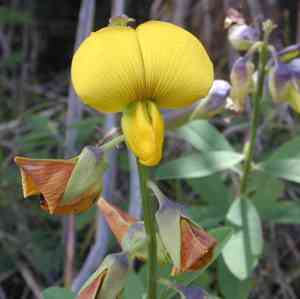
Needle-leaved broom (Genista linifolia)
Also known as: Flax broom, Flexleaf broom
Needle-leaved broom, native to the western Mediterranean region, is a flowering legume shrub that reproduces through seeds and forms dense thickets. When introduced to other areas, it can become invasive, outcompeting and displacing native plant species, which disrupts local ecosystems.
In This Article
Attributes of Needle-leaved broom
Lifespan
Perennial
Plant Type
Shrub
Plant Height
2 m
Spread
Approximately 1 to 1.5 meters
Leaf Color
Green
Flower Size
About 1 to 2 centimeters
Flower Color
Yellow
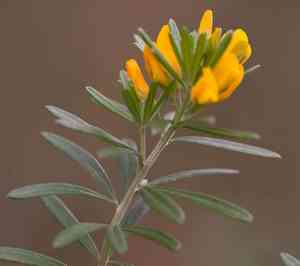
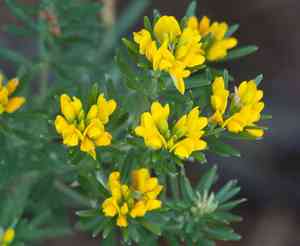
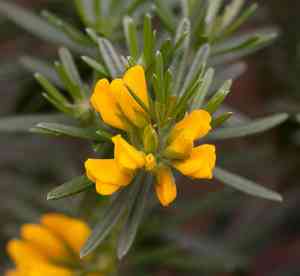
Images of Needle-leaved broom
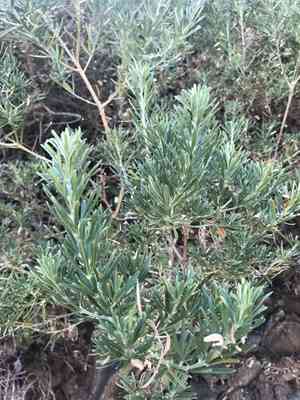
Quickly Identify Needle-leaved broom
1
Genista linifolia can be identified by its slender, linear leaves and bright yellow flowers that bloom in dense clusters. The stems are usually wiry and the plant often has a bushy appearance.
Scientific Classification of Needle-leaved broom
Phylum
Vascular plants
Class
Dicotyledons
Order
Fabales
Family
Legume
Genus
Brooms
Species
Needle-leaved broom
Planting and Growing of Needle-leaved broom
Care Difficulty
Easy
Watering Schedule
Every 3 days
Sunlight Requirements
Full sun
Sunshine Duration
4-8 hours
Ideal Temperature
60-75℉
Soil Type
Potting Mix, Peat Mix
Soil pH
6.5-7.5
Fertilizer Type
Balanced
Pruning Season
Spring, Summer
Pruning Area
Branches, Leaves
Pruning Frequency
2 times a year
Repotting Season
Spring
Pot Type
Plastic, Ceramic
 How to Water Needle-leaved broom?
Genista linifolia requires moderate watering. Ensure the soil is thoroughly moist by applying approximately 500 ml of water each time you water it. The goal is to keep the soil evenly moist but not soggy, allowing it to dry slightly between waterings.
What are the symptoms of an underwatered Needle-leaved broom?
›
What should I do if my Needle-leaved broom is not getting enough water?
›
What are the symptoms of an overwatered Needle-leaved broom?
›
How to save an overwatered Needle-leaved broom?
›
 What Are the Sunlight Requirements for Needle-leaved broom?
Full sunlight exposure is ideal, supporting extensive growth and robust flowering. This sunlight level optimizes the plant's energy conversion, enhancing its health and appearance.
More About Sunlight Requirements Techniques→
What is the best lighting condition for Genista linifolia?
›
How can you achieve ideal lighting conditions for Genista linifolia?
›
What are the benefits of ideal lighting for Genista linifolia?
›
 What Is the Ideal Temperature Range for Needle-leaved broom?
For optimal growth, Genista linifolia thrives in temperatures between 60-75°F. This range provides a balance of warmth and coolness that supports healthy photosynthesis and overall plant vigor. It also ensures the soil does not dry out too quickly, maintaining consistent moisture levels.
 What Soil is Best for Needle-leaved broom?
Genista linifolia thrives best in well-drained soil. This structure prevents waterlogging and root rot, ensuring the plant absorbs nutrients effectively. Well-drained soil leads to healthier roots and allows the plant to develop a robust structure and vibrant foliage. Though modest in its demands, Genista linifolia benefits immensely from nutrient-rich soils. A balanced supply of essential nutrients helps in promoting lush growth, vibrant blooming, and overall resilience against diseases, leading to a more aesthetically pleasing plant. Genista linifolia prefers soils with moderate organic content, which aids in improving soil structure and water retention. This minimizes drought stress, reduces erosion, and contributes to stable growth and prolonged blooming periods for the plant.
 How to Fertilize Needle-leaved broom?
Genista linifolia requires balanced fertilization with a focus on its moderate nutrient needs. Use a diluted liquid fertilizer at a concentration of 1/4 the recommended strength, to avoid nutrient burn and ensure adequate absorption.
 How to Prune Needle-leaved broom?
Begin by removing any dead or diseased branches. Next, trim back any overly long shoots to maintain shape. Focus on cutting just above a bud facing outward to encourage a more open plant structure. Aim for a rounded silhouette by trimming the outermost branches evenly. This helps maintain aesthetic appeal and ensures light penetrates the shrub evenly, promoting internal growth.
More About Pruning Techniques→
 How to Propagate Needle-leaved broom plant?
1
Collect mature seeds from the pods of the Genista linifolia plant. Soak them in warm water for 24 hours to break dormancy. Sow the seeds in a well-draining seed mix and cover lightly with soil. Place the tray in a warm, sunny spot.
2
Select healthy, non-flowering stems for cuttings. Cut them to a length of about 10 cm using sterilized pruning shears. Remove the leaves from the lower half of the cutting to encourage root development.
3
Dip the cut end of the cutting in rooting hormone to enhance root growth. Insert it into a pot filled with a mix of sand and peat. Firmly press the soil around the base to secure the cutting. Keep the soil moist but not waterlogged.
 How to Repot Needle-leaved broom plant?
1
Genista linifolia shows signs of needing repotting when its roots start to protrude from the drainage holes, indicating that it has outgrown its current pot. If the plant's growth seems stunted, or if water no longer infiltrates the soil easily, it's another sign you should consider repotting.
2
Select a pot that is 1-2 inches larger in diameter than the current one. Ensure it has drainage holes to prevent water stagnation, which can lead to root rot. The pot material should be breathable, like terracotta, to aid in moisture regulation.
3
Opt for a well-draining, sandy soil mix to mimic the plant's natural environment. This type of soil ensures proper aeration and prevents waterlogging, thus helping in maintaining healthy root systems. Incorporating organic matter can also improve soil fertility.



