How to Transplant Beetleweed?
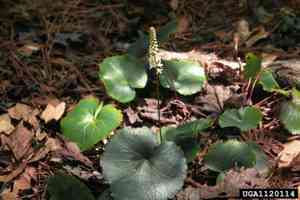
The ideal period for transplanting beetleweed spans from mid-spring to late spring, a time when the earth becomes rich with nutrients. Select a location offering shade and possessing well-draining, acidic ground. During the relocation process, take care to disturb the root system as little as possible to ensure optimal integration.
Essential Preparations Before Relocating Beetleweed
Optimal Timing for Beetleweed Relocation
Relocating beetleweed during mid-spring, once the cold has passed and growth is robust, offers prime conditions for root development. This period benefits from moderate temperatures and consistent moisture, encouraging beetleweed to form strong roots, thereby boosting its chances for a healthy and abundant growing season. Selecting this timeframe ensures a flourishing beetleweed in your garden, leveraging the season's supportive environment.
Recommended Spacing Between Beetleweed Specimens
Hello, gardening enthusiast! When preparing to move your beetleweed, ensure ample room between each plant. A spacing of approximately 12 inches to 3 feet (30 cm to 91 cm) should suffice, providing them plenty of space to thrive!
Ideal Soil Blend for Beetleweed Relocation
Your beetleweed will flourish in soil that drains well and is rich in humus. Prior to relocation, incorporate some organic compost as a foundational fertilizer to give your plants a nourishing start. Consider it a wholesome breakfast for your green companions!
Selecting a New Location for Your Beetleweed
Choose a location for your beetleweed where they can enjoy some shade. Excessive sunlight is not to their liking. Seek out an area with filtered light or partial shade, a cozy spot that mimics the cool, woodland understory they prefer.
Equipment Required for Beetleweed Relocation
Gardening Gloves
To safeguard your hands while handling soil and beetleweed.
Trowel
For excavating small holes and managing beetleweed during the relocation process.
Shovel or Spade
For digging up larger plants from the ground.
Watering Can or Hose
To hydrate the beetleweed before and after relocation.
Pruning Shears
To trim any dead or damaged roots or foliage.
Wheelbarrow or Garden Cart
To transport the beetleweed and soil.
Mulch
To aid in retaining soil moisture and suppressing weeds around the beetleweed after relocation.
Method for Extracting Beetleweed from the Soil
Method for Extracting Beetleweed from the Soil
From Ground: First, moisten the beetleweed to dampen the soil. Next, excavate a wide circle around the plant using a shovel or spade, ensuring to preserve as much of the root ball as possible. Gently use the spade to carefully lift the beetleweed from its original spot.From Pot: Begin by watering the beetleweed to make the soil more pliable. Turn the pot on its side and gently tap around to loosen the root ball. Incline the pot and carefully slide the beetleweed out while supporting the plant's base and root ball with your hands.From Seedling Tray: Hydrate the soil before gently pushing the beetleweed seedling up from the bottom of the cell. Hold the seedling by its leaves, not the delicate stem, and carefully remove it from the tray while maintaining the root ball's integrity.
Step-by-Step Guide for Relocating Beetleweed
Excavating the Hole
Dig a hole in the ground that is twice as wide and slightly deeper than the beetleweed's root ball.
Root Preparation
Examine the beetleweed's root ball and use pruning shears to snip off any dead or excessively tangled roots, promoting healthier development.
Positioning the Plant
Place the beetleweed into the hole, positioning it so that the top of the root ball is level with or just slightly above the surrounding soil.
Backfilling the Hole
Gently backfill the hole around the beetleweed with soil. Lightly tamp down to eliminate air pockets without overly compacting the soil.
Initial Watering
Thoroughly water the beetleweed to settle the soil around the root ball and help alleviate transplant shock.
Post-Relocation Care for Beetleweed
Consistent Watering
Provide regular irrigation, especially in the initial weeks following relocation, to help the beetleweed establish in its new spot. Allow the soil to become slightly dry between waterings.
Mulching
Apply a layer of mulch around the base of the beetleweed to maintain soil moisture and temperature, and to reduce weed competition.
Observation
Monitor the beetleweed for indications of transplant shock, such as wilting leaves or a lack of new growth, and address these issues promptly.
Addressing Common Issues During Beetleweed Relocation
What is the optimal period to relocate beetleweed?
Ideally, relocate beetleweed from mid to late spring when the soil is warm and manageable.
What spacing should I use when relocating beetleweed?
For best growth, space beetleweed approximately 12 inches to 3 feet (30 cm to 91 cm) apart.
What soil conditions are best for beetleweed after relocation?
Relocate beetleweed into moist, well-draining soil rich in organic matter for optimal outcomes.
How deep should I plant beetleweed during relocation?
The root ball of beetleweed should be flush with the soil surface. Avoid planting too deeply.
What is the correct way to water beetleweed after relocation?
Water beetleweed generously immediately after relocation to settle the soil and remove air pockets.
Should I fertilize beetleweed during relocation?
Wait a few weeks after relocation before fertilizing beetleweed, allowing roots to establish first.
How much sun does beetleweed require after being relocated?
Place beetleweed in a location where it receives partial shade to protect it from direct sunlight while it establishes.
How do I select a relocation site for beetleweed?
Choose a site with dappled sunlight and protection from strong winds for relocating beetleweed.
Can I relocate beetleweed during the summer?
It's preferable to relocate beetleweed during cooler spring months to prevent heat stress.
Why are my relocated beetleweed plants wilting?
Wilting may be due to water stress, transplant shock, or excessive sun; re-evaluate watering and site conditions.



