The Beetleweed Plant Advantage: Maximizing Home and Office Appeal and Wellness
1
Beetleweed flourishes in dim, damp conditions, ideal for forested garden spaces.
2
Beetleweed assists in covering the ground, effectively stopping soil degradation.
3
Its leaves stay appealing all year, providing a constant green aesthetic.
What Are the Growth Requirements for Beetleweed?
Ideal Soil and Light Conditions
For successful Beetleweed cultivation, provide rich, well-draining organic soil. It flourishes in partial to full shade, making it perfect for areas under tree canopies or north-facing slopes. It prefers consistently moist conditions but shows some drought tolerance once established.
Watering and Fertilization Tips
For optimal development, maintain consistent soil moisture, especially during dry periods. Prevent waterlogging to avoid root rot. Fertilize Beetleweed in early spring with a balanced, slow-release product to support its growth. Consider using compost or aged manure to enhance soil fertility and structure.
What Are the Ecological Benefits of Beetleweed?
Soil Erosion Prevention
Beetleweed acts as an excellent ground cover, forming a dense mat that helps prevent soil erosion. Its root system stabilizes the soil, proving particularly useful on sloped terrain and woodland edges. This capacity to bind soil is vital for preserving topsoil during heavy rains and preventing runoff.
Habitat and Food Source for Wildlife
The thick foliage of Beetleweed offers refuge and nesting sites for various insects, small mammals, and birds. Additionally, the plant's blossoms and seeds provide sustenance for pollinators like bees, butterflies, and other beneficial insects, fostering greater biodiversity in your garden.
How Does Beetleweed Enhance Garden Aesthetics?
Evergreen Foliage
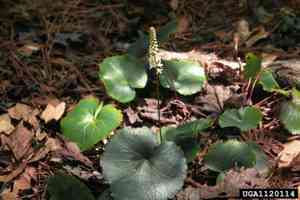
A prominent characteristic of Beetleweed is its appealing, evergreen foliage that stays vibrant year-round. The glossy, rounded leaves add texture and color to garden beds, offering visual interest even in winter when many other plants have receded.
Seasonal Floral Display
Though primarily valued for its leaves, Beetleweed also produces small, white, bell-shaped flowers from late spring to early summer. These delicate blooms lend a subtle charm to the garden, enhancing its visual appeal. The flowers are followed by seed capsules, which can offer additional ornamental value.
Is Beetleweed Low Maintenance?
Minimal Pruning Requirements
Beetleweed demands minimal pruning, making it an easy-care option for gardeners. Simply remove any dead or damaged leaves to maintain the plant's best appearance. If plants become too dense, they can be easily divided in early spring or fall to manage spread and encourage healthy growth.
Pest and Disease Resistance
Beetleweed exhibits good resistance to pests and diseases, resulting in fewer issues throughout the growing season. Regular checks for common garden pests and good cultivation practices will keep the plant healthy and thriving. Beetleweed's natural resilience contributes to its overall low-maintenance appeal.
Where Can You Use Beetleweed in Your Garden?
Woodland Gardens and Shaded Areas
Given its preference for shaded, moist conditions, Beetleweed is perfect for woodland gardens and areas under large trees where other plants might struggle. It can be used to create lush, green carpets that bring vitality and tranquility to these often challenging spots.
Erosion Control in Sloped Gardens
Another excellent use is in sloped gardens, where Beetleweed can be utilized as an erosion control plant. Its ability to stabilize the soil reduces erosion risks while simultaneously adding an ornamental layer of greenery. This dual function makes it a practical yet beautiful choice for challenging landscapes.



