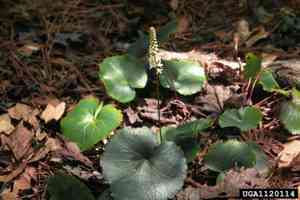
Beetleweed (Galax urceolata)
Also known as: Galax, Wandplant
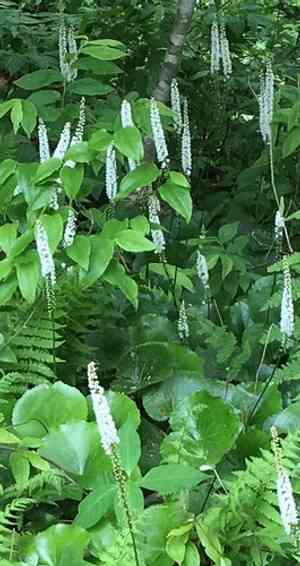
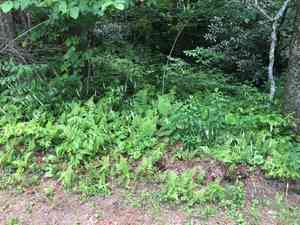
Beetleweed (Galax urceolata) is an evergreen perennial known for its glossy, heart-shaped leaves that serve as attractive ground cover. It features small, white, star-like flowers that bloom from late spring into early summer on tall spikes. In the fall, its foliage transforms into striking bronze, gold, and purple hues. Beetleweed thrives in partially shaded to fully shaded areas and prefers moist, well-drained, acidic soils. It is well-suited to cool, wooded, or mountainous environments. Regular watering and mulching help maintain its required moisture levels.
In This Article
Attributes of Beetleweed
Lifespan
Perennial
Plant Type
Herb
Plant Height
30 cm to 4.5 m
Spread
30 cm to 90 cm
Leaf Color
Green Yellow Red Gold Bronze Brown
Flower Size
2.5 cm
Flower Color
White
Images of Beetleweed
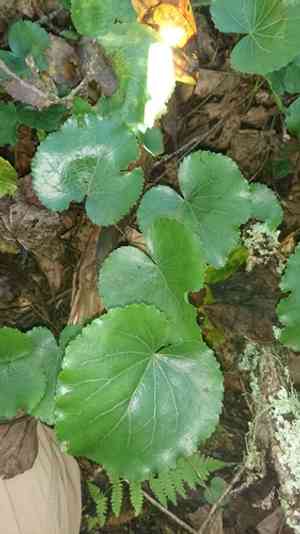
Quickly Identify Beetleweed
1
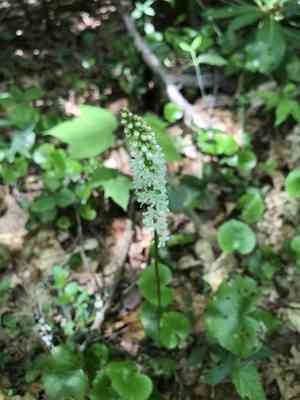
Heart-shaped leaves, 2-5 inches wide (5-12.7 cm), atop long stalks.
2
Small white flowers with five delicate petals in elongated clusters.
3
Distinctive dry capsules resembling small urns, releasing multiple seeds.
4
Leathery, glossy leaves with toothed margins and prominent veining.
5
Smooth, unbranched stem, 1-2 feet tall (30-60 cm), vibrant green color.
Scientific Classification of Beetleweed
Phylum
Vascular plants
Class
Dicotyledons
Order
Ericales
Family
Diapensia
Genus
Wandplants
Species
Beetleweed
Planting and Growing of Beetleweed
Care Difficulty
Easy
Watering Schedule
Every 2 days
Sunlight Requirements
Partial sun
Sunshine Duration
6-10 hours
Ideal Temperature
60-75℉
Soil Type
Potting Mix, Peat Mix
Soil pH
4.5-6
Fertilizer Type
Balanced
Pruning Season
Spring, Summer
Pruning Area
Branches, Leaves
Pruning Frequency
2 times a year
Repotting Season
Spring
Pot Type
Plastic, Ceramic
 How to Water Beetleweed?
Galax urceolata appreciates a consistent watering schedule. Aim to soak the soil thoroughly, with about 500 milliliters per session, ensuring the water reaches the roots without pooling excessively on the surface. A well-drained soil mix is essential to prevent water from collecting around the root zone.
What are the symptoms of an underwatered Beetleweed?
›
What should I do if my Beetleweed is not getting enough water?
›
What are the symptoms of an overwatered Beetleweed?
›
How to save an overwatered Beetleweed?
›
 What Are the Sunlight Requirements for Beetleweed?
Partial sun to full shade is ideal for Galax urceolata. This mix promotes lush foliage and sustains healthy growth by balancing adequate light levels with protection from intense radiation.
More About Sunlight Requirements Techniques→
Ideal Light for Galax urceolata
›
How to Achieve Ideal Lighting?
›
Benefits of Ideal Lighting
›
 What Is the Ideal Temperature Range for Beetleweed?
The ideal temperature range for Galax urceolata is between 60°F and 75°F. This range supports optimal growth and development by providing a stable environment that mimics the plant's natural habitat. Ensuring temperatures remain within this range helps facilitate robust photosynthesis and nutrient uptake.
 What Soil is Best for Beetleweed?
Galax urceolata thrives in moist, well-draining soil which helps the roots access necessary nutrients without the risk of waterlogging. Consistently moist soil ensures steady growth and prevents dehydration. This plant benefits from soil rich in organic matter as it provides essential nutrients and retains moisture. Organic matter also improves soil structure, enhancing root growth and overall plant health. Preferring shaded environments, this plant requires a soil condition that remains cool in such areas. The soil should ideally mimic a forest floor, providing a natural habitat conducive to its growth.
 How to Fertilize Beetleweed?
Galax urceolata thrives with balanced nutrient support, using modest amounts of fertilizer to promote healthy growth. It benefits from low-dose feeding, about half the recommended dosage on most fertilizer labels, to avoid nutrient overload.
 How to Prune Beetleweed?
Start by carefully examining the plant for any dead or damaged leaves. Use your shears to remove these leaves at the base, which helps prevent disease and promotes vigorous growth. Identify areas of excessive or densely-packed growth. Trim back these sections to improve air circulation and sunlight penetration, enhancing the overall health and appearance of the plant. After removing unwanted growth, gently shape the plant by cutting back overgrown branches. Aim for a balanced and pleasing form that complements your garden design.
More About Pruning Techniques→
 How to Propagate Beetleweed plant?
1
Collect healthy seeds from mature plants. Ensure they are dry before storing or planting to prevent mold or rot. Harvesting seeds at the right time ensures better germination rates.
2
Select a healthy stem and make a diagonal cut below a leaf node. This cutting should be 4-6 inches long and have several leaves. Remove lower leaves before planting to improve rooting.
3
Carefully dig up the parent plant and divide the root ball into sections. Each section should possess roots and a few shoots. Replant immediately into prepared soil to minimize shock.
 How to Repot Beetleweed plant?
1
Signs that Galax urceolata needs repotting include slower growth, roots protruding through drainage holes, or compacted soil. Choose a bright day in spring or early summer to give it optimal conditions for recovery and adjustment.
2
Select a pot that is one size larger than the current one, with sufficient drainage holes. A slightly larger pot prevents waterlogging, encourages healthy root growth, and supplies ample nutrients for the plant to thrive.
3
A rich, well-draining soil mix is essential. This type of soil prevents root rot by supporting aeration and ensures the plant has a steady supply of nutrients. Consider mixing organic material like peat moss or compost for added richness.
Toxicity
None
WARNING
The judgment on toxicity and danger is for reference only. We DO NOT GUARANTEE any accuracy of such judgment. Therefore, you SHALL NOT rely on such judgment. It is IMPORTANT TO SEEK PROFESSIONAL ADVICE in advance when necessary.
Learn More About Beetleweed Diseases
Anthracnose
Bacterial Leaf Spot
Bacterial Soft Rot
Chemical Injury
Crown Gall
Cyst Nematode
Damping-off
Downy Mildew
Drought Stress
Fusarium Wilt
Gray Mold
Leaf Curl
Leaf Spot
Mosaic
Nutrient Deficiency
Nutrient Toxicity
Powdery Mildew
Root Rot
Root-knot Nematode
Rusts
Sooty Mold
Spider Mites
Temperature Stress
Thrips Damage
White Mold



