How to Propagate Beetleweed?
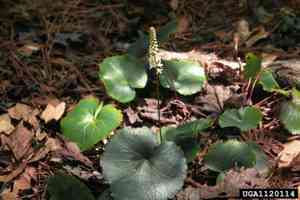
Beetleweed flourishes when reproduced via stem sections. Select a robust, non-blooming stem that possesses several leaves. A rooting stimulant can boost the chances of success, and planting the cutting in a porous substrate further aids root formation. Maintain consistent moisture in the soil and offer diffused light until fresh shoots emerge, indicating successful root anchoring.
Optimal Time for Beetleweed Propagation
Propagation Method
Cutting
Propagation Period
Spring,Summer
Tools for Beetleweed Propagation
Sharp Pruning Shears
These are essential for making clean, precise cuts on beetleweed stems. Sharp shears minimize plant tissue damage, reducing infection risk and promoting faster healing and root development.
Rooting Hormone
This chemical compound encourages root formation from beetleweed cuttings. Applying it to fresh cuts significantly boosts successful propagation by enhancing root initiation and growth, vital for new plant establishment.
Sterile Potting Mix
A sterile, well-draining potting mix offers an ideal environment for new beetleweed cuttings. Its sterility prevents pathogen harm, and good drainage maintains optimal moisture crucial for root growth.
Propagation Tray
This item helps organize and nurture multiple beetleweed cuttings in a controlled setting. The tray ensures consistent humidity and temperature, which are key for successful rooting and growth.
Plastic Domes or Covers
These covers fit over propagation trays to maintain high humidity around beetleweed cuttings, aiding root development. The controlled humid environment mimics natural conditions supporting healing and growth.
Heating Mat
A heating mat placed under the propagation tray maintains consistent soil temperature, especially beneficial for beetleweed's root development in colder periods or climates. Warmth promotes quicker root growth and overall propagation success.
Beetleweed Propagation Guide
Propagation Difficulty
Easy
Post-Propagation Care for Beetleweed
How to Care for Your Newly Propagated Beetleweed?
Once beetleweed cuttings have rooted, gradually introduce them to lower humidity over a week. Before potting or planting, ensure they grow in similar conditions—partial shade and well-drained soil. Continue regular watering, avoiding both complete drying and waterlogging. Monitor for pests and diseases, especially early after transplanting.
Common Errors to Avoid When Propagating Beetleweed
Overwatering
Excessive watering can cause root rot in beetleweed, which prefers moist but well-drained soil. Saturated conditions hinder root development and increase disease susceptibility.
Deep planting
Planting beetleweed too deeply can lead to rhizome rot. Beetleweed requires shallow planting for proper growth and root system aeration.
Using poor draining soil
Employing soil with inadequate drainage can result in waterlogging, detrimental to beetleweed's health. Poor drainage reduces oxygen availability to roots, stressing the plant and impeding growth.
Beetleweed Propagation Advice
Moist but well-drained soil
Prepare a soil blend that retains moisture yet drains effectively to prevent waterlogging and encourage healthy beetleweed root growth.
Shallow planting
Plant beetleweed rhizomes superficially to prevent rot and ensure adequate surface exposure for optimal aeration.
High organic content
Incorporate organic materials like compost or leaf mold into the soil to enhance its structure, nutrient levels, and moisture retention, all beneficial for beetleweed's development.



