How to Prune Beetleweed?
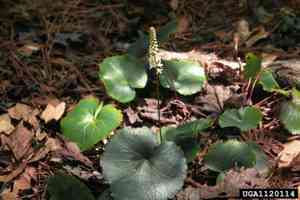
A perennial that prefers shade, beetleweed flourishes with little upkeep. Remove withered or compromised foliage at any point for neatness and enhanced development. Cut back flower stems once they've bloomed to foster denser foliage. Since beetleweed tolerates year-round trimming, concentrate on light thinning to retain its inherent mounded form. Advantages of pruning encompass averting diseases and boosting visual attractiveness, crucial for those desiring a verdant, spreading plant.
What Are the Benefits of Pruning Beetleweed?
What Are the Benefits of Pruning Beetleweed?
Trimming beetleweed can encourage more abundant blooms, boost robust growth, and maintain its desired shape. Accurate cuts improve the plant's structure, directing energy towards producing flowers and fresh leaves while keeping it well-formed.
What Is the Best Time for Pruning Beetleweed?
What Is the Best Time for Pruning Beetleweed?
Trimming beetleweed from late winter to early spring is advised because this period precedes its active growth, allowing the plant to recover and generate new growth more efficiently. It also prevents cutting off flower buds, which develop during the previous growing season and typically flower from early spring to summer. This timing helps preserve beetleweed's natural shape and vitality without jeopardizing its health or its attractive floral display. Minor pruning can also be done in summer after flowering if there's a need to remove spent blooms or trim for shape.
What Tools Do I Need to Prune Beetleweed?
Hand Pruners
Perfect for making precise cuts on beetleweed, hand pruners enable targeted removal of damaged or overgrown leaves and stems without disturbing the rest of the plant. Opt for bypass pruners for a clean cut that promotes healing.
Garden Scissors
These are suitable for trimming delicate or smaller foliage of beetleweed. Garden scissors offer accuracy when snipping away unnecessary or crowded growth, which can help maintain the plant's desired shape and improve air circulation.
Pruning Shears
For parts of beetleweed that are slightly thicker and require more cutting force, use pruning shears. These quickly snip stems and assist in shaping the plant as well as removing any spent flowers or seed heads.
How to Prune Beetleweed
Clean tools
Before beginning, clean and sterilize all pruning tools to prevent the spread of disease to beetleweed.
Remove diseased parts
Carefully remove any diseased leaves and branches from beetleweed using precision pruning shears, ensuring a clean cut to avoid damaging healthy tissue.
Prune withered elements
Trim off withered leaves and dead branches, cutting back to a healthy part of the plant to promote new growth in beetleweed.
Deadhead flowers
Remove spent flowers to encourage beetleweed to put energy into foliage and root development, rather than seed production.
Dispose trimmed material
Safely dispose of all removed material away from beetleweed to minimize the risk of reinfection or attracting pests.
Common Pruning Mistakes with Beetleweed
Overpruning
Removing too much foliage from beetleweed can stress the plant, reducing its vigor and ability to photosynthesize effectively.
Using dull tools
Pruning beetleweed with dull tools can result in jagged cuts that are more susceptible to infections and pests.
Tearing limbs
Incorrect cutting technique, such as tearing limbs instead of making clean cuts, can damage beetleweed's delicate stems, leading to disease.
Neglecting sanitation
Failing to sanitize pruning tools before and after use on beetleweed can spread disease between plants.
Ignoring plant structure
Not considering the natural shape and growth habit of beetleweed when pruning can result in a less aesthetically pleasing and potentially unhealthy plant.
Common Pruning Tips for Beetleweed
Sharp cuts
Make sharp, clean cuts on beetleweed to minimize damage and encourage quick healing.
Minimal pruning
Prune beetleweed sparingly, as the plant typically maintains its form with minimal intervention, focusing on dead or damaged foliage to preserve its natural shape.
Tool sanitation
Always sanitize pruning tools before and after use on beetleweed to prevent the spread of disease.
Follow grow pattern
Prune beetleweed by following its natural growth patterns to enhance its beauty without compromising the plant's structural integrity.
Post-bloom pruning
If pruning is necessary, do so immediately after beetleweed's flowering period to avoid removing the next seasonâs blooms.



