How to Transplant Greater snowdrop?
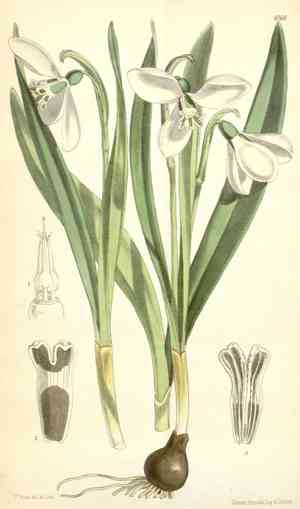
The optimal period for relocating greater snowdrop spans from the onset of early spring until the conclusion of late spring, or throughout the dormant phase from early winter to the core of mid-winter. Choose a spot featuring well-draining earth and dappled sunlight. Should it be required, incorporate organic material to enhance the ground before the transfer.
Preparations Required Before Moving Greater Snowdrop?
Optimal Period for Relocating Greater Snowdrop?
The best time to move greater snowdrop spans from early spring to its conclusion, or from winter's start to its core. Shifting greater snowdrop during these periods ensures they are dormant or just emerging, lessening shock and encouraging strong development. Transplanting in these cooler, damp seasons allows greater snowdrop to establish roots well before warmer weather stress, setting the stage for a beautiful display when flowering begins. Your garden will appreciate the care taken during these formative times.
Recommended Spacing Between Greater Snowdrop Plants?
Allow your greater snowdrops ample room to flourish! Position them approximately 4-6 inches (10-15 cm) apart. This comfortable distance permits them to grow closely while still providing each bulb sufficient space to thrive.
Ideal Soil Mixture for Greater Snowdrop Transplanting?
For thriving greater snowdrops, prepare soil that drains well and is rich in organic material. Before planting, incorporate a mild, balanced, granular fertilizer to give your greater snowdrops a beneficial start.
Preferred Location for Your Greater Snowdrop?
Select a bright spot for your greater snowdrops! They prefer filtered sunlight or partial shade. A location receiving morning sun and afternoon shade would be perfect for these lovely plants.
Equipment Needed Before Transplanting Greater Snowdrop?
Gardening Gloves
To safeguard your hands while handling soil and greater snowdrop.
Trowel
For excavating small holes and moving greater snowdrop from containers or seed trays.
Spade or Shovel
For digging greater snowdrop from the ground with minimal root disturbance.
Watering Can or Hose
To hydrate the greater snowdrop before and after relocation.
Measuring Tape
To maintain correct spacing between transplanted greater snowdrops.
Garden Fork
To loosen the soil around the greater snowdrop prior to extraction.
How to Extract Greater Snowdrop from the Soil?
How to Extract Greater Snowdrop from the Soil?
From Ground: First, lightly water the greater snowdrop plant to moisten the soil, which helps minimize root damage. Use a garden fork to loosen the soil surrounding the greater snowdrop, then carefully dig a wide circle with a spade, keeping a safe distance from the roots. Gently pry underneath to preserve the root ball and lift the plant.From Pot: Gently tap the pot's sides to loosen the soil. Invert the pot and support the greater snowdrop with your hand, slowly guiding the plant out. Avoid pulling on stems or leaves.From Seedling Tray: Use a trowel to carefully remove each greater snowdrop from its cell, taking care not to harm the delicate roots. Support the plant by cradling the root ball as you extract it.
Step-by-Step Guide for Relocating Greater Snowdrop
Prepare the Plant
Before moving, ensure greater snowdrop is well-hydrated. Water the greater snowdrop gently until the soil is damp.
Digging the Hole
With the spade, excavate a hole in the ground that is twice as wide and equally deep as the greater snowdrop's root ball.
Root Ball Examination
Inspect the greater snowdrop's root ball for any signs of being pot-bound. If necessary, gently separate the roots.
Placing the Plant
Lower greater snowdrop into the hole, positioning it so the top of the root ball is level with the surrounding soil surface.
Filling the Hole
Backfill the hole with soil, gently patting down around the greater snowdrop's base to remove air pockets.
Watering after Transplant
Water greater snowdrop thoroughly to settle the soil and provide moisture to the roots.
Post-Transplant Care for Greater Snowdrop?
Mulching
Apply a layer of mulch around greater snowdrop to help retain soil moisture and regulate soil temperature.
Consistent Watering
Ensure the soil around greater snowdrop remains slightly moist. Water deeply to encourage root development.
Supporting
If greater snowdrop is tall or top-heavy, consider staking it for additional support against winds.
Monitoring
Observe greater snowdrop for signs of stress, such as wilting or discoloration, and take corrective measures if needed.
Resolving Common Issues with Greater Snowdrop Transplantation.
When is the best time to move greater snowdrop?
Transplant greater snowdrop from early spring to late spring or from early winter to mid-winter for optimal outcomes.
How much space does greater snowdrop require when transplanting?
Give greater snowdrop snug quarters - ideally space them less than 12 inches (30 cm) apart.
Why is my greater snowdrop not flourishing after transplanting?
Ensure correct planting depth, well-draining soil, and sufficient but not excessive water. Also, check for pests or diseases.
How deep should I plant the greater snowdrop's bulbs?
Plant the bulbs of greater snowdrop at about three times their height, typically around 4 inches (10 cm).
Can I transplant greater snowdrop during its blooming period?
It's advisable to wait until flowering has concluded, as transplanting during bloom may stress the plant.
Should I water greater snowdrop immediately after transplanting?
Yes, gently water greater snowdrop post-transplant to settle the soil around the bulbs and aid recovery.
What type of soil is best for transplanting greater snowdrop?
Use well-draining soil rich in organic matter to provide a nourishing environment for greater snowdrop.
My greater snowdrop appears wilted post-transplant, what should I do?
Wilt can be a shock response; keep the soil moist and provide shade for a few days to help greater snowdrop recuperate.
Do I need to fertilize greater snowdrop after transplanting?
Fertilizing isn't immediately necessary. Once established, a balanced fertilizer can be applied annually.
How to protect transplanted greater snowdrop during extreme weather?
Shield greater snowdrop with mulch or a cloche during severe cold spells or unseasonable heat to prevent stress.



