How to Prune Greater snowdrop?
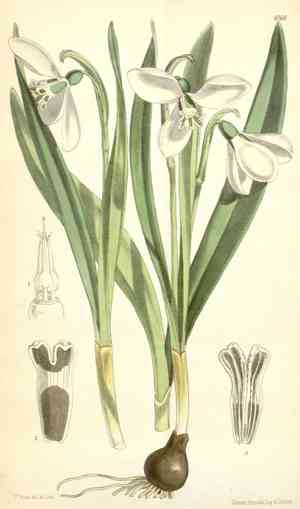
Galanthus nivalis, a bulb-forming perennial recognized for its fragile, drooping white blossoms, needs very little trimming. Removing faded blooms after flowering enhances bulb robustness, but refrain from cutting back leaves until they naturally wither, typically by the end of spring. Trimming is not required in summer and autumn since the plant is inactive. Prompt elimination of dead or compromised leaves can ward off pests and illnesses, while judicious thinning can avert excessive density. These methods improve the greater snowdrop's vitality and flowering excellence.
What Are the Benefits of Pruning Greater Snowdrop?
What Are the Benefits of Pruning Greater Snowdrop?
Trimming greater snowdrop can boost flowering, encourage vitality, and maintain an attractive shape. Proper cutting back ensures greater snowdrop directs energy into thriving instead of supporting excess foliage.
What Is the Best Time for Pruning Greater Snowdrop?
What Is the Best Time for Pruning Greater Snowdrop?
For greater snowdrop, pruning is best done in spring after flowers have faded and leaves are still present. This timing allows the plant to recover from cuts before dormancy and supports strong growth in its next active phase. Pruning in spring aligns with greater snowdrop's life cycle, as this plant emerges and blooms in late winter to early spring before entering a dormant period in summer. Cutting back foliage after it yellows helps channel energy back to the bulbs for the next growing season without harming the plant's health or flowering potential.
What Tools Do I Need to Prune Greater Snowdrop?
Bypass Pruners
These are ideal for cutting through the slender stems of greater snowdrop without crushing them, allowing for precise cuts that encourage healthy regrowth.
Gloves
To protect hands while caring for greater snowdrop, especially when working with soil around bulbs or removing debris.
Garden Scissors
For snipping off faded blooms and yellowed leaves of greater snowdrop, ensuring a clean cut without harming new growth.
How to Prune Greater Snowdrop
Clean tools
Sanitize pruning shears or scissors to prevent disease spread when trimming greater snowdrop.
Identify parts
Examine greater snowdrop carefully to locate diseased leaves, withered leaves, and withered flowers that need removal.
Trim diseased leaves
Carefully snip off any diseased leaves at their base where they meet the stem, ensuring not to damage the bulb or any healthy tissue.
Remove withered leaves
Trim away withered leaves at their base, taking care not to pull or strain the bulb or nearby emerging foliage.
Deadhead flowers
Clip spent flower stems near the base above the foliage level to tidy up the plant and redirect energy to the bulb.
Common Pruning Mistakes with Greater Snowdrop
Overpruning
Removing too many leaves or flower stems, which can stress greater snowdrop and limit their ability to photosynthesize effectively.
Pruning active growth
Cutting back greater snowdrop during their active growth phase can disrupt the plant's natural life cycle and impact blooming.
Using dull tools
Dull pruning shears can cause jagged cuts that make greater snowdrop more vulnerable to disease and pests.
Pruning without proper hygiene
Not sterilizing tools between cuts can spread disease from one part of greater snowdrop to another or even between different plants.
Neglecting plant structure
Failing to consider the natural shape and growth pattern of greater snowdrop can result in a disfigured plant that does not grow as desired.
Common Pruning Tips for Greater Snowdrop
Post-bloom pruning
Remove spent flowers of greater snowdrop after blooming to tidy up the plant and redirect energy towards root and bulb development for the next season.
Leave foliage
Allow the leaves of greater snowdrop to die back naturally, as they provide necessary nutrients for the bulb as they yellow and wilt.
Sharp tools
Use sharp, clean pruning shears for cuts to prevent damage and disease in greater snowdrop.
Gentle handling
Handle greater snowdrop gently when pruning, as they are delicate and can be easily damaged.
Appropriate disposal
Dispose of all cuttings and dead foliage properly to minimize the risk of disease and pests spreading to greater snowdrop and other plants in the garden.



