The Greater snowdrop Plant Advantage: Maximizing Home and Office Appeal and Wellness
1
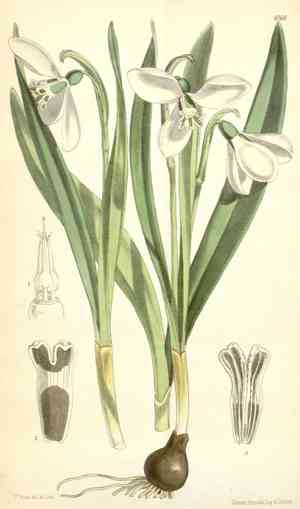
The fragile blossoms of Galanthus elwesii signal the onset of spring.
2
Galanthus elwesii is a robust plant recognized for its durability and versatility.
3
The elegant look of Galanthus elwesii makes it a favored option for decorative horticulture.
What Are the Aesthetic Advantages of Greater snowdrop?
Beautifying Garden Spaces
Greater snowdrop is prized for its striking appearance. Its drooping white blossoms, contrasted by its vibrant green foliage, create a stunning visual that can brighten any garden. Arranging Greater snowdrop in clusters or along paths creates a tranquil and picturesque scene. Its early flowering period is a much-anticipated pleasure for garden lovers, signaling winter's end and spring's vibrant start.
Flexible Landscape Applications
A key attribute of Greater snowdrop is its adaptability in landscaping. Whether utilized as ground cover, a border plant, or in rock gardens, Greater snowdrop integrates seamlessly into various garden designs. Its minimal care requirements and inherent hardiness make it an excellent choice for both new and experienced gardeners aiming to craft visually appealing outdoor areas.
How Does Greater snowdrop Support Ecological Balance?
Supporting Local Wildlife
Greater snowdrop plays a vital role in sustaining local wildlife, especially pollinators. Its early blooming flowers offer a crucial nectar source for bees and other pollinators emerging from dormancy. This initial food supply aids the health and proliferation of pollinator populations, which are essential for the overall ecosystem.
Enhancing Soil Quality
The root system of Greater snowdrop contributes to soil health by preventing erosion and improving soil structure. Its presence in the garden ensures the soil remains stable, reducing erosion risk during heavy rainfall. Furthermore, as Greater snowdrop grows, it facilitates nutrient cycling, boosting the soil's fertility and texture over time.
What Makes Greater snowdrop an Easy-Care Option?
Minimal Upkeep Needs
Greater snowdrop is well-known for its resilience and low maintenance demands. Once established, it requires little intervention, making it an ideal plant for busy gardeners or those who prefer effortless gardening. It thrives in diverse soil types and light conditions, adapting well to various garden environments.
Natural Pest Resistance
Greater snowdrop naturally resists many common garden pests, leading to fewer chemical treatments and a more environmentally friendly gardening approach. Its resilience against pests and diseases ensures it stays healthy and vibrant with minimal attention, making it a dependable addition to any garden.
Why Is Greater snowdrop a Symbol of Rebirth and Hope?
Cultural Significance
Throughout history, Greater snowdrop has symbolized renewal and hope. Its early blooms during the still-cold late winter months signify spring's arrival and life's resurgence. This cultural importance has made it a popular plant in folklore and traditions, representing endurance and the promise of new beginnings.
Psychological Benefits
Gardening and spending time outdoors offer well-documented psychological advantages, and Greater snowdrop can contribute to this. The sight of new blooms and the feeling of early spring can lift spirits and provide a sense of calm and optimism. Planting and caring for Greater snowdrop can be a therapeutic activity, fostering mental well-being and a connection with nature.
How Can You Grow Greater snowdrop in Your Garden?
Optimal Planting Conditions
For successful growth of Greater snowdrop, it's crucial to plant it in well-drained soil with moderate moisture. While it tolerates partial shade, it flourishes best in filtered sunlight, making it perfect for planting beneath deciduous trees or shrubs.
Propagation Methods
Propagating Greater snowdrop can be achieved through bulb division. Plant the bulbs 3-4 inches deep and space them about 3 inches apart to allow for growth and spread. The ideal time for planting is in the fall, to allow the bulbs to establish before winter's arrival.



