How to Transplant Tropical ash?
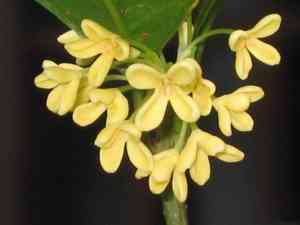
The arrival of mild spring temperatures provides the ideal period for relocating tropical ash, facilitating strong root development. Choose a location that receives abundant sunlight and possesses soil with good drainage. In challenging climates, providing some shade will assist in a seamless adjustment.
Preparations Required Before Relocating Tropical Ash
Optimal Period for Relocating Tropical Ash?
The best time for relocating tropical ash is early to mid-spring, when mild weather aids root establishment. During this period, the soil is sufficiently warm to promote root growth, yet temperatures are not excessively high to stress young plants. Transplanting tropical ash at this time maximizes its survival chances, as the plant can settle before summer's heat. This timing ensures roots strengthen enough to sustain the plant through subsequent seasons.
Required Spacing Between Tropical Ash Plants?
When relocating tropical ash, ensure ample room for growth. Ideally, position plants approximately 20-25 feet (6-7.6 meters) apart. This allows its root system to develop fully without obstruction.
Best Soil Mixture for Tropical Ash Relocation?
The appropriate soil for tropical ash should be rich and drain well. A high-quality garden soil mix should be perfectly suitable. Before planting, enrich the soil with a slow-release base fertilizer to give your plant a strong start.
Where to Position Your Tropical Ash?
Tropical ash thrives in a sunny location. Select a spot where it receives at least 6 hours of direct sunlight daily. However, also ensure it's shielded from intense afternoon sun to prevent leaf burn.
Equipment to Prepare Before Relocating Tropical Ash
Gardening Gloves
To protect your hands while handling soil and the plant.
Shovel or Spade
Necessary for digging holes and extracting the plant from its original spot.
Pruning Shears
For trimming any dead or overgrown branches of the tropical ash.
Watering Can or Hose
For hydrating the tropical ash before and after its relocation.
Organic Compost
To enrich the planting hole and provide nutrients for the tropical ash.
Measuring Tape
To accurately gauge the depth and width of the planting hole.
How to Extract Tropical Ash from the Ground?
How to Extract Tropical Ash from the Ground?
From Ground: Start by thoroughly watering the tropical ash plant to moisten the soil, making it easier to manage. Then, using a spade or shovel, dig a wide but shallow trench around the tropical ash, being careful not to harm the root system. Gently work the shovel beneath the root ball and carefully lift the plant.From Pot: Water the pot thoroughly a few hours before relocation. Tilt the pot sideways, hold the tropical ash at its base near the soil line, and gently pull. If the plant is stuck, tap the pot's sides or bottom to loosen it.From Seedling Tray: Water the seedlings well before relocation. Use a small gardening trowel or spoon to scoop out each tropical ash seedling, including its roots and surrounding soil.
Step-by-Step Guide for Relocating Tropical Ash
Excavating a Hole
Begin by digging a hole with a shovel or spade. The hole should be sufficiently deep and wide to comfortably accommodate the tropical ash's root ball.
Positioning the Plant
Carefully place the tropical ash into the hole, ensuring it sits at the same depth as it did in its previous location. The top of the root ball should be level with the soil surface.
Adding Compost
Incorporate organic compost into the planting hole to supply the tropical ash with essential nutrients.
Backfilling the Hole
Refill the hole with the excavated soil, gently patting it down to eliminate air pockets and firm the soil around the tropical ash's root ball.
Watering
Thoroughly water the tropical ash after completing the relocation. This will settle the soil around the plant and aid in root establishment in its new home.
Post-Relocation Care for Tropical Ash
Watering
Water the tropical ash regularly, especially during the initial weeks after relocation. Ensure the soil remains consistently moist but not waterlogged.
Pruning
Trim any broken or dead branches from the tropical ash while it's still acclimating to its new spot. Regular removal of old or damaged leaves will encourage fresh growth.
Mulching
Apply mulch around the base of the tropical ash. This will help retain moisture, suppress weeds, and regulate soil temperature.
Monitoring
Closely observe tropical ash initially for any signs of transplant shock, such as browning leaves or stunted growth. If such symptoms appear, maintain optimal watering and provide shade if possible during the hottest part of the day.
Addressing Common Issues with Tropical Ash Relocation.
When is the best time to relocate tropical ash?
The optimal time to relocate tropical ash is during the transitional seasons (S1-S2), which offer ideal conditions for the plant to adapt.
What is the ideal spacing between two tropical ash plants during relocation?
Ensure ample room for tropical ash to grow. Ideally, maintain a distance of 20-25 feet (6 to 7.5 meters) between two plants.
What precautions should I take when digging up tropical ash for relocation?
When digging up tropical ash, be careful not to damage the root system. Use a sharp shovel to make a clean cut and dig widely around the root ball.
How deep should I dig the hole for relocating tropical ash?
Dig a hole that is approximately twice the size of the root ball. This will allow the roots to spread and establish themselves more easily.
Is any soil preparation needed before relocating tropical ash?
Tropical ash thrives in well-draining soil. Consider adding compost or other organic material to enrich the soil before relocation.
How should I care for tropical ash immediately after relocation?
Water tropical ash thoroughly right after relocation. This helps the plant settle and eliminates air pockets in the soil.
How do I know if the tropical ash is adjusting well after being relocated?
A well-adjusting tropical ash will show new growth and healthy, vibrant foliage. Monitor the plant regularly for any signs of stress or disease.
What should I do if the leaves of the tropical ash start to yellow after relocation?
Yellow leaves could indicate water stress or nutrient deficiency. Adjust watering appropriately and consider a balanced slow-release fertilizer.
Do tropical ash need any special considerations during the winter months post-relocation?
Tropical ash is generally frost tolerant, but protection during extreme weather can be beneficial. Consider a mulch layer to protect the root system.
What is the long-term care for tropical ash after relocation?
For long-term care, maintain a regular watering and fertilization schedule. Also, be attentive to pests and diseases, and prune as needed.



