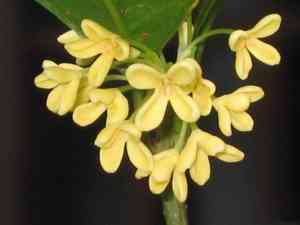
Tropical ash (Fraxinus uhdei)
Also known as: Shamel ash, Mexican ash
Tropical ash (*Fraxinus uhdei*) produces seeds often referred to as helicopter seeds. The genus name "Fraxinus" is derived from the Latin word for "ash." The specific epithet "uhdei" commemorates Carl Uhde, a German botanist known for his contributions to plant collection.
In This Article
Attributes of Tropical ash
Lifespan
Perennial
Plant Type
Tree
Plant Height
21 m to 24 m
Spread
8 m to 15 m
Leaf Color
Green
Flower Size
2.5 cm
Flower Color
Green White Yellow
Images of Tropical ash
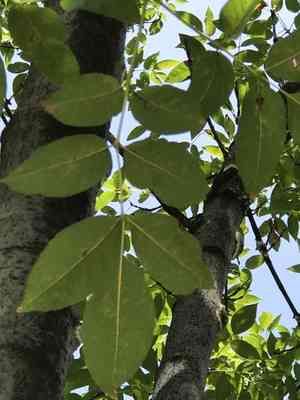
Quickly Identify Tropical ash
1
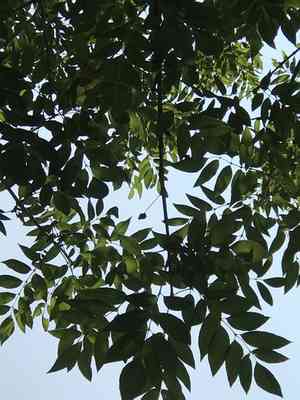
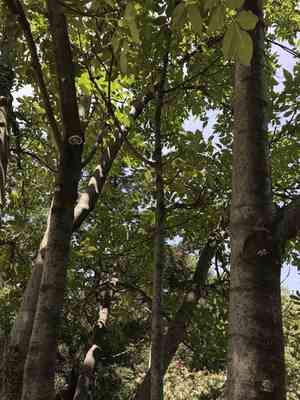
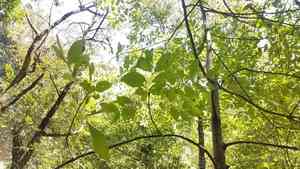
Identifying Fraxinus uhdei involves looking for its glossy green, pinnate leaves with 5-9 leaflets, its grayish-brown bark with interlaced ridges, and its panicles of small white flowers. The tree produces winged seeds called samaras.
Scientific Classification of Tropical ash
Phylum
Vascular plants
Class
Dicotyledons
Order
Lamiales
Family
Olive
Genus
Ashes
Species
Tropical ash
Planting and Growing of Tropical ash
Care Difficulty
Easy
Watering Schedule
Every 3 days
Sunlight Requirements
Full sun
Sunshine Duration
4-6 hours
Ideal Temperature
60-75℉
Soil Type
Potting Mix, Peat Mix
Soil pH
6.5-7.5
Fertilizer Type
Balanced
Pruning Season
Spring, Summer
Pruning Area
Branches, Leaves
Pruning Frequency
2 times a year
Repotting Season
Spring
Pot Type
Plastic, Terracotta
 How to Water Tropical ash?
When it comes to Fraxinus uhdei, aim to water deeply but infrequently. You should provide around 500 milliliters of water per session, ensuring the soil is thoroughly moistened but not waterlogged. The soil should be sufficiently damp to penetrate the root zone without excess pooling or runoff.
More About Watering Techniques→
What are the symptoms of an underwatered Tropical ash?
›
What should I do if my Tropical ash is not getting enough water?
›
What are the symptoms of an overwatered Tropical ash?
›
How to save an overwatered Tropical ash?
›
 What Are the Sunlight Requirements for Tropical ash?
Fraxinus uhdei prefers full sun to partial sun, supporting vigorous growth and strong structure. Ideal light conditions enhance photosynthesis, boosting plant health and resilience.
More About Sunlight Requirements Techniques→
Ideal Sunlight Duration
›
Solutions for Ideal Light
›
Benefits of Ideal Light
›
 What Is the Ideal Temperature Range for Tropical ash?
Fraxinus uhdei thrives in a temperate climate, with the ideal temperature range being between 60°F and 75°F. Such conditions facilitate optimal photosynthesis rates, nutrient uptake, and overall growth. Within this range, the tree can balance moisture retention and evapotranspiration, which are critical for healthy development.
 What Soil is Best for Tropical ash?
The soil must have excellent drainage to prevent waterlogging, which can damage roots. Fraxinus uhdei thrives in loamy or sandy loam soils that enable excess water to drain away, promoting a healthy root system. The presence of essential nutrients is crucial for the robust growth of the Fraxinus uhdei. Supplementing the soil with organic matter or compost ensures it remains nutrient-rich, encouraging vigorous growth and vibrant foliage. The soil should hold moisture moderately without becoming too soggy, striking a balance that keeps the tree hydrated without causing rot. This balance ensures steady growth and resilience to dry spells.
More About Soil→
 How to Fertilize Tropical ash?
For Fraxinus uhdei, it's important to apply liquid fertilizers in moderate amounts. Use about 100-150 ml of diluted liquid fertilizer per application. The solution should be at half the recommended strength to avoid root burn, ensuring nutrients are readily absorbed without overwhelming the plant's system.
More About Fertilizing Techniques→
 How to Prune Tropical ash?
Start pruning by identifying dead or diseased branches and cutting them back to the trunk or main limb. This not only helps in maintaining the tree's health but also prevents potential hazards. Next, remove any suckers or water sprouts to prevent them from sapping essential nutrients from the main tree. Shape the tree by trimming back overgrown branches to a bud or lateral branch, which encourages lush growth and a desirable form. Always use clean, sharp tools to ensure smooth cuts and reduce infection risks.
More About Pruning Techniques→
 How to Propagate Tropical ash plant?
1
Select healthy and mature seeds for propagation. Before sowing, soak the seeds in water for 24 hours to improve germination rates by softening the seed coat.
2
Use a well-draining potting mix to fill the seed tray, ensuring it is thoroughly moistened before sowing the seeds or inserting the cuttings.
3
Sow seeds or place cuttings into the soil, lightly covering with a thin layer of soil or vermiculite. Maintain consistent moisture and place in a warm, well-lit location.
 How to Repot Tropical ash plant?
1
Fraxinus uhdei signals the need for a repot when roots start circling the pot edges, growth seems stunted, or water quickly drains through the soil. The best time for repotting is during spring or autumn when the plant is not experiencing extreme temperatures. This timing helps minimize stress and allows the plant to establish itself before the more challenging seasons.
2
Select a pot that is 1-2 inches larger in diameter than the current one. Opt for a container with excellent drainage holes to prevent waterlogging, which can lead to root rot. A breathable material like terracotta is a great choice, as it allows excess moisture to evaporate and provides stability for the tree.
3
Use a well-draining potting mix rich in organic matter to ensure proper aeration for the roots. A mixture containing peat, perlite, and composted bark works well. This type of soil helps retain necessary moisture without becoming waterlogged and provides the nutrients needed for healthy growth and development.



