Optimal Soil for Growing Tropical ash: What You Need to Know
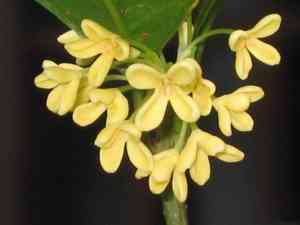
1
Tropical ash flourishes optimally in soils that are mildly acidic to neutral, having a pH between 6.5 and 8.
2
Consistent soil analysis is essential for modifying soil conditions prior to planting Tropical ash.
3
Incorporating organic compost into the soil can significantly enhance its nutritional value and composition.
Optimal Soil Type for Tropical Ash
Soil Makeup
To ensure your Tropical ash thrives, begin by understanding its preferred soil composition. This plant favors well-draining soil with a balanced mix of sand, silt, and clay. Loamy soil is often recommended, as it offers good aeration and moisture retention, both vital for the health of Tropical ash. Avoid dense clay soils that can compact and become waterlogged, potentially suffocating roots and impeding growth.
Acidity and pH Levels
Tropical ash tolerates various soil pH levels but performs best in slightly acidic to neutral soils, with a pH between 6.5 and 8. The correct pH is crucial as it impacts nutrient availability to the plant. Soils that are too acidic or too alkaline can lead to nutrient deficiencies or toxicities. pH testing kits are readily available and simple to use to confirm your soil pH is within this range.
Nutrient Needs
For peak growth, Tropical ash requires nutrient-rich soil. Key nutrients include nitrogen (N), phosphorus (P), and potassium (K), commonly known as NPK. Nitrogen is essential for leaf development, phosphorus aids root growth, and potassium supports overall plant health and disease resistance. Enriching your soil with organic matter like compost or aged manure can significantly boost its nutrient profile.
Preparing Soil for Tropical Ash Planting
Soil Analysis
Before planting Tropical ash, it's vital to test your soil to determine its current condition. Soil testing can reveal pH levels, nutrient content, and other important characteristics. You can get a soil testing kit from a garden center or your local cooperative extension. Follow the provided instructions to collect samples for analysis. This process will give you a clear idea of necessary amendments.
Soil Amendments
Based on your soil test results, you might need to amend your soil to meet the needs of Tropical ash. If your soil is too acidic, adding lime can increase the pH. Conversely, sulfur or peat moss can lower the pH if it's too alkaline. To enrich your soil with nutrients, incorporate organic compost, which improves soil structure and fertility. Manure, bone meal, and other organic amendments can also be beneficial.
Drainage Considerations
Proper drainage is crucial for Tropical ash, as waterlogged soil can cause root rot and other issues. If your soil tends to retain water, consider elevating the planting area or creating mounds. You can also enhance drainage by mixing materials like sand, perlite, or gravel into the soil. Ensuring adequate drainage will help maintain healthy roots and promote vigorous growth.
Optimal Soil Practices for Tropical Ash
Mulching Techniques
Mulching is an excellent method to retain soil moisture and suppress weeds, both beneficial for Tropical ash. Organic mulches such as wood chips, bark, or shredded leaves can slowly decompose, returning nutrients to the soil. Apply a 5-10 cm (2-4 inch) layer around the tree's base, being careful not to pile it against the trunk to prevent rot.
Consistent Soil Monitoring
Regular monitoring of soil conditions is vital for the long-term health of Tropical ash. Periodically check for changes in soil pH and nutrient levels, and adjust your care practices as needed. Being proactive helps prevent potential problems that could impede the tree's growth. Ideally, conduct soil tests at least once annually.
Addressing Soil Erosion
Soil erosion can be a significant challenge, especially in areas prone to heavy rain or wind. Erosion not only depletes the soil of nutrients but can also expose the roots of Tropical ash, causing stress to the plant. To combat erosion, plant ground cover around the tree's base or use mulch to protect the soil. Terracing and the use of retaining walls can also be effective in sloped areas.
Common Soil Issues for Tropical Ash and Solutions
Compacted Soil
Compacted soil can severely hinder root growth and water penetration for Tropical ash. To alleviate soil compaction, aerate the soil by loosening it with a garden fork or using a mechanical aerator. Adding organic matter can also help improve soil structure and promote better aeration.
Insufficient Nutrient Levels
Low nutrient levels can impede the growth of Tropical ash. Address nutrient deficiencies by applying a balanced fertilizer with an NPK ratio suitable for the plant. Organic options like compost, worm castings, and bone meal can provide a slow release of nutrients over time, ensuring sustained growth.
Excessive Salinity
High soil salinity can obstruct water uptake and harm Tropical ash. To reduce soil salinity, thoroughly flush the soil with water to leach out excess salts. Adding gypsum can also help by replacing sodium ions with calcium, improving soil structure and reducing salinity issues.



