How to Transplant Manna ash?
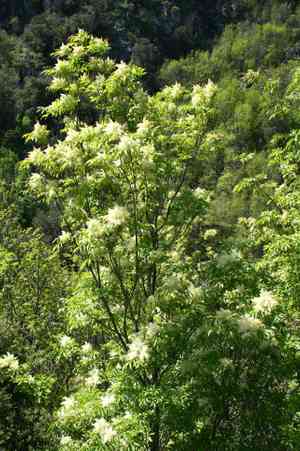
The ideal time for relocating manna ash is during springtime, as vigorous development facilitates easier integration. Opt for locations with partial sunlight and soil that drains effectively. Careful consideration of the planting spot improves the success rate of transplantation.
What Preparations are Needed Before Transplanting Manna Ash?
What is the Ideal Time for Transplanting Manna Ash?
For manna ash, the prime period for relocation is the spring season, as it's a time of robust development. This timing provides manna ash a greater opportunity to establish its root system in the new soil, as the mild weather aids recovery and growth. Choosing this season to transplant manna ash ensures the plant has a full growth cycle to adapt before the rigors of extreme hot or cold weather. Additionally, consistent spring rains can be quite advantageous, supplying ample moisture vital for new root formation, making it the perfect time for your manna ash to thrive.
How Much Space Should You Leave Between Manna Ash Plants?
When preparing for manna ash, each plant requires its own area to expand. To maintain their health, position each plant approximately 12-15 feet (3.7-4.6 meters) apart. This arrangement allows each one to extend its branches comfortably and absorb abundant sunlight!
What is the Best Soil Mix for Manna Ash Transplanting?
Ready to plant manna ash? Start with soil that drains well. Then, mix in some slow-release, granular fertilizer. This nutrient-rich base boosts the soil's fertility and, consequently, the overall vitality of your new plant!
Where Should You Relocate Your Manna Ash?
Location is crucial for manna ash! It thrives in full sun to partial shade areas. Therefore, find a brightly lit spot in your garden where it receives plenty of sunshine but also some respite from the afternoon heat. Happy gardening!
What Equipments Should You Prepare Before Transplantation Manna Ash?
Gardening Gloves
To safeguard your hands when handling soil and manna ash.
Shovel/Spade
Used for excavating holes for transplanting and lifting the plant from its initial spot.
Garden Trowel
For extracting the plant from smaller containers or seedling trays.
Watering Can
Required to hydrate the manna ash before and after relocation.
Mulch
Applied to help the soil retain moisture and regulate its temperature around manna ash.
Bypass Pruners
These are utilized for trimming any damaged roots prior to transplanting manna ash.
How Do You Remove Manna Ash from the Soil?
How Do You Remove Manna Ash from the Soil?
From Ground: Begin by watering the manna ash plant to moisten the surrounding soil. This will facilitate digging and minimize root damage. Then, using a shovel, excavate a wide circle around the plant, ensuring the plant's root ball remains intact. You can then slide the spade beneath the root ball and carefully lift the plant from its original position.From pot: Water the plant first, then tilt the pot sideways, if feasible, gently pulling the plant out by holding the base of its stem. If the plant is stuck, you can use a garden trowel to loosen the soil and ease it out.From Seedling Tray: Water the seedlings and then carefully separate the manna ash plant from the others. Use a trowel to ease them out of the tray, taking great care not to harm the roots.
Step-by-Step Guide for Transplanting Manna Ash
Prepare transplant hole
Dig a hole at the chosen site that is twice the width of the root ball and of equal depth. If the soil is poor, consider incorporating compost into the hole for enrichment.
Place manna ash in hole
Carefully position manna ash in the hole, ensuring the top of the root ball is level with the ground surface.
Backfill
Surround the root ball with native soil or compost-enriched soil, avoiding adding soil on top of the root ball.
Water
Thoroughly water manna ash after planting to settle the soil around the roots.
Mulch
Apply a layer of mulch around the plant, leaving a gap around the stem to prevent pests and diseases.
How Do You Care For Manna Ash After Transplanting?
Watering
Water manna ash regularly, especially during dry spells, for the initial months following transplanting. This will aid in establishing its root system. Avoid over-watering, which can drown the roots.
Pruning
Remove any damaged or dead branches to ensure the plantâs energy is directed towards new growth.
Checking
Monitor for pests or indications of disease. Early detection can significantly help in maintaining your plant's health.
Troubleshooting Common Issues with Manna Ash Transplantation.
When's the opportune time to transplant manna ash?
The best time to transplant manna ash is during the early to mid growing seasons, commonly referred to as S1 to S3.
What is the ideal spacing when planting manna ash?
Aim for a spacing of 12 to 15 feet (3.7 to 4.6 meters). This ensures ample growth space for manna ash.
What's the most effective method to remove manna ash from its original location?
Utilize a garden spade to gradually dig around manna ash, ensuring you've encircled the entire root ball. Gently extract the plant, preserving as much of the root system as possible.
What should the hole dimensions be when transplanting manna ash?
Ensure the hole is approximately two times the width and the same depth as the root ball of manna ash. This provides sufficient space for roots to grow.
How should the soil be prepared for successful transplantation of manna ash?
The soil should be loose and well-draining. If the soil is predominantly clay, add compost to enhance aeration and drainage capacity.
How should I take care of manna ash post-transplantation?
Water manna ash immediately after transplanting. Continue watering regularly, particularly during dry conditions. Avoid fertilizing manna ash soon after transplanting as this can cause shock.
How can transplant shock be avoided or mitigated in manna ash?
Prevent transplant shock by thoroughly watering before and after moving manna ash. Minimize root exposure to air and also avoid excessive pruning just after transplanting.
What should I do if manna ash seems to wilt after transplantation?
Don't panic! Wilting could be a sign of transplant shock which is common. Maintaining a regular watering schedule can help manna ash recover over time.
How should I position manna ash while transplanting?
Place manna ash in the hole ensuring it is level with the surface. If the plant is positioned too deep or too high, it can harm the plant health.
Can manna ash be transplanted anytime during the year?
While it's technically possible, the optimum transplant period is during the S1-S3 growing seasons. Transplanting at other times can cause undue stress to the plant.



