Enhancing Your Garden Design with the Manna ash Plant: A Landscaping Guide
1
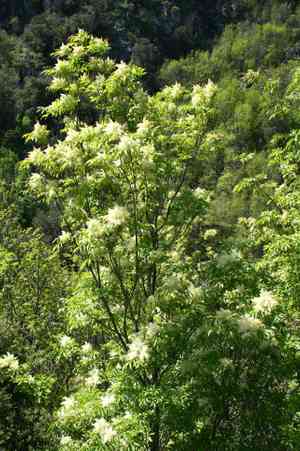
The Manna ash is recognized for its attractive seasonal leaves, which can improve the appearance of any outdoor space.
2
Placing Manna ash in an appropriate spot can greatly boost its development and influence on your property.
3
Consistent care for Manna ash is crucial to maintain its vitality and appeal in your yard.
Understanding the Fundamentals of Manna Ash in Outdoor Design
Attributes of Manna ash that enhance outdoor environments
To start, let's examine some distinct qualities of Manna ash that make it a valuable addition to any landscape. This tree is prized for its abundant foliage, which forms a dense leaf canopy, ideal for creating shaded spots in the garden. Furthermore, its structured growth habit adds a formal element to outdoor layouts. Not to mention, the bark and branches of Manna ash provide texture and visual interest, vital for a dynamic and engaging garden space.
Seasonal transformations and aesthetic appeal of Manna ash
One of the most captivating aspects of Manna ash is its seasonal metamorphosis. In spring, it showcases striking blossoms that bring a fresh and vibrant touch to the landscape. As seasons progress, its leaves shift through various green hues before transforming into stunning autumn colors, such as a warm golden-yellow. This continuous visual charm throughout the year makes Manna ash a versatile choice for any garden, keeping the area lively and attractive across all seasons.
Design Principles for Incorporating Manna Ash into Your Garden
Selecting the optimal placement for Manna ash in your landscape
Choosing the best location for Manna ash in your garden is crucial for its development and the overall look of your landscape. Ideally, it should be planted where it can receive full to partial sunlight, ensuring the tree thrives while offering shade to nearby plants. Consider placing Manna ash near seating areas or paths to leverage its shade and visual appeal. Also, ensure the soil drains well to prevent waterlogging, which can hinder its health.
Pairing Manna ash with other plants and features
Integrating Manna ash with other plants and garden elements can boost the overall harmony and attractiveness of your landscape. Combine it with shrubs and ground covers that flourish in similar conditions for a unified appearance. Ornamental grasses, perennials, and flowers with contrasting or complementary colors can provide a visually striking backdrop to Manna ash's leaves and blooms. Feel free to include hardscape elements like benches, sculptures, or water features to create a balanced blend of nature and art in your landscape.
Balancing aesthetic appeal and practical use
While it's important for Manna ash to beautify your landscape, it should also serve a functional purpose. Focus on how Manna ash can fit into the practical zones of your garden, such as offering shelter for seating areas or acting as a privacy screen. The tree's sturdy branches can also serve as natural supports for lights or hanging plants. By balancing its visual charm with utility, Manna ash can become an essential part of your garden's allure and usefulness.
Maintenance Advice for Manna Ash in Landscape Settings
Regular care for vitality and beauty
Maintaining the health and beauty of Manna ash requires consistent attention. Regular watering, especially during dry spells, ensures the tree remains hydrated. Mulching around the base helps retain moisture and regulate soil temperature. Pruning is also vital, not just for shaping, but for removing any dead or diseased branches that could impede its growth. By committing to these upkeep practices, you can enjoy a robust and picturesque Manna ash in your landscape.
Addressing common issues and pests
While Manna ash is generally resilient, it may occasionally encounter challenges from pests or diseases. Be watchful for signs of infestations like aphids, borers, or fungal infections, which can be managed with appropriate treatments or by consulting a horticulturist. Regular inspection and early intervention are key to preventing minor problems from escalating, ensuring Manna ash remains a healthy and thriving component of your garden.
Ecological Advantages of Including Manna Ash in Landscaping
Contribution to local biodiversity
Manna ash plays a significant role in supporting local biodiversity. Its flowers attract a variety of pollinators such as bees and butterflies, while its foliage provides habitat and food for insects and birds. By incorporating Manna ash into your landscape, you're not only enhancing its beauty but also contributing to a healthier, more diverse ecosystem.
Environmental impact and sustainability aspects
In addition to its aesthetic and ecological benefits, Manna ash has positive environmental impacts. Trees like Manna ash improve air quality by absorbing pollutants and releasing oxygen. They also help combat climate change by sequestering carbon dioxide. Furthermore, by opting for native or well-adapted species like Manna ash, you promote sustainable gardening practices that require less water and fewer inputs, making your landscape more eco-friendly.



