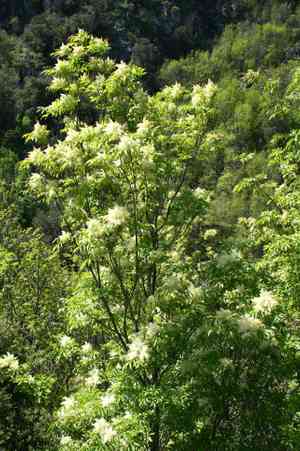
Manna ash (Fraxinus ornus)
Also known as: Flake manna
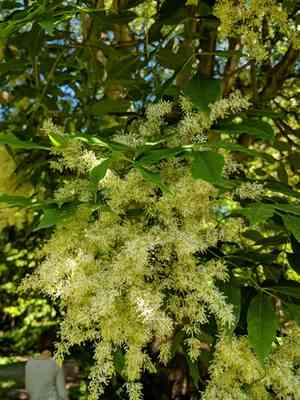
The Manna ash (Fraxinus ornus) is a deciduous tree that typically reaches heights of 15 to 25 meters. It blooms in spring, producing attractive clusters of creamy-white flowers. This tree flourishes in full sun and can tolerate a range of soil conditions, from moist to dry, as long as the soil is well-drained. It is adaptable and drought-tolerant once established. For seed production, both male and female trees are necessary.
In This Article
Attributes of Manna ash
Lifespan
Perennial
Plant Type
Tree
Plant Height
15 m to 25 m
Spread
12 m to 15 m
Leaf Color
Green Purple
Flower Size
2.5 cm
Flower Color
White Cream
Images of Manna ash
Quickly Identify Manna ash
1
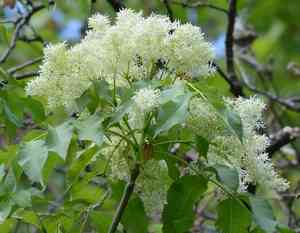
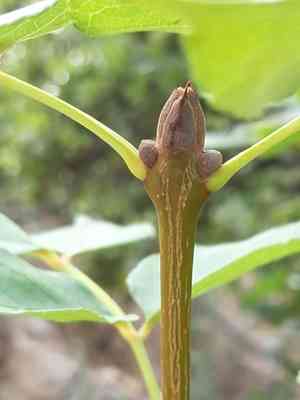
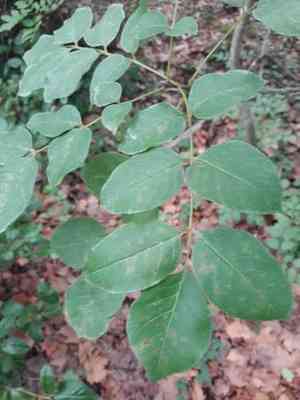
The Fraxinus ornus can be identified by its compound leaves with 5-9 leaflets, its white, fragrant flowers in clusters, and the smooth grey bark on younger trees which becomes more furrowed as the tree matures.
Scientific Classification of Manna ash
Phylum
Vascular plants
Class
Dicotyledons
Order
Lamiales
Family
Olive
Genus
Ashes
Species
Manna ash
Planting and Growing of Manna ash
Care Difficulty
Easy
Watering Schedule
Every 2 days
Sunlight Requirements
Full sun
Sunshine Duration
6-8 hours
Ideal Temperature
59-77℉
Soil Type
Potting Mix, Peat Mix
Soil pH
6.5-7.5
Fertilizer Type
Balanced
Pruning Season
Spring, Summer
Pruning Area
Branches, Leaves
Pruning Frequency
2 times a year
Repotting Season
Spring
Pot Type
Plastic, Ceramic
 How to Water Manna ash?
Fraxinus ornus, commonly known as the Manna Ash, thrives with moderate watering. Aim to provide around 500 milliliters per session, ensuring the soil remains consistently moist but never waterlogged. The plant's root system prefers a balanced approach where the moisture permeates deeply, encouraging strong growth without root rot risks.
What are the symptoms of an underwatered Manna ash?
›
What should I do if my Manna ash is not getting enough water?
›
What are the symptoms of an overwatered Manna ash?
›
How to save an overwatered Manna ash?
›
 What Are the Sunlight Requirements for Manna ash?
Fraxinus ornus benefits most from full sun but will perform quite well in partial sun conditions too. Ideal light exposure results in enhanced photosynthesis, vigorous growth, and a stronger immune response to diseases.
More About Sunlight Requirements Techniques→
How much sunlight does Fraxinus ornus need?
›
What position should Fraxinus ornus be placed in my garden?
›
How do I ensure my Fraxinus ornus gets ideal sunlight exposure?
›
 What Is the Ideal Temperature Range for Manna ash?
Fraxinus ornus thrives best in temperate climates where temperatures consistently range between 59°F and 77°F. Within this range, metabolic processes and growth cycles operate at optimal efficiency, promoting healthy foliage and strong structural development. This temperature bracket supports the plant's need for moderate warmth without imposing the stress caused by extreme conditions.
 What Soil is Best for Manna ash?
Fraxinus ornus thrives in well-drained soil which prevents waterlogging and encourages healthy root development. Well-drained soils allow air to penetrate, which is essential for the roots to 'breathe'. This tree requires nutrient-rich soil for optimal growth, supporting strong trunk and branch development. Nutrients are essential for photosynthesis and overall vigor. While Fraxinus ornus does not require excessive moisture, a moderate humidity level in the soil ensures adequate hydration without risking root rot.
 How to Fertilize Manna ash?
Fraxinus ornus, commonly known as the manna ash, benefits from a controlled yet sufficient amount of fertilizer. During its growing season, you should apply approximately 50 grams of well-balanced fertilizer per tree, making sure to adjust the amount based on the tree's size and its soil conditions. Always ensure that the applied amount is well-spread out to avoid concentrated patches that could harm the roots.
 How to Prune Manna ash?
Begin by identifying dead, diseased, or crossing branches to ensure healthy growth. Look for branches that show signs of damage or infection, such as discoloration or unusual swellings. When pruning, make your cuts just above a node at a slight angle. Cutting too close to a node can damage new growth, while cutting too far away leaves stubs that may decay. Focus on maintaining a strong, open structure by pruning to create a balanced form. Remove branches that grow inward or rub against others to improve airflow and light distribution. During pruning, inspect the tree for signs of pests and diseases. Early detection through careful pruning can prevent minor issues from becoming significant concerns.
More About Pruning Techniques→
 How to Propagate Manna ash plant?
1
Collect mature seeds from Fraxinus ornus fruits in autumn. Ensure the seeds are fully mature and dry to increase the chances of successful germination.
2
Use sharp pruning shears to take semi-hardwood cuttings from the tree. Make sure each cutting is about 6 to 8 inches long with several nodes.
3
Dip the cut end of each cutting in rooting hormone before planting it in a pot filled with a well-draining potting mix. This will enhance root development.
 How to Repot Manna ash plant?
1
Monitor your Fraxinus ornus for signals like roots protruding from drainage holes or slowed growth, particularly in spring or autumn. These signs typically indicate it's time to transition to a larger pot or refresh the soil.
2
Select a pot that is slightly larger in diameter than the current one, ensuring it has adequate drainage holes. This prevents waterlogging, protecting roots from rot, and promotes healthy growth by providing more space.
3
Opt for a well-drained loamy soil to ensure good aeration and drainage. This soil helps retain necessary moisture without becoming waterlogged, offering a stable foundation for the plant's development.



