How to Prune Manna ash?
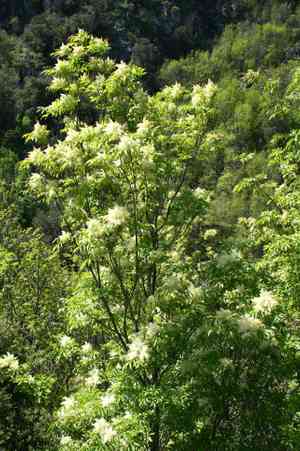
Hailing from the Mediterranean region, manna ash is prized for its decorative blossoms and leaves. Trimming should concentrate on excising lifeless or ailing wood, reducing dense branches, and sculpting for an even form. The ideal period for pruning is in late winter or early spring, prior to the emergence of new shoots. This schedule facilitates wound recovery and encourages vigorous development. Trimming manna ash can additionally boost air movement, diminish pest problems, and amplify blooming capacityâessential for preserving the plant's well-being and visual charm.
What Are the Benefits of Pruning Manna Ash?
What Are the Benefits of Pruning Manna Ash?
Trimming manna ash can significantly boost its vitality and maintain a desired shape. Strategic cutting back encourages new growth, ensuring manna ash stays strong and visually appealing.
What Is the Best Time for Pruning Manna Ash?
What Is the Best Time for Pruning Manna Ash?
The ideal periods for pruning manna ash are late winter and early spring, prior to the emergence of new growth. Pruning during late winter allows gardeners to easily view the tree's structure without leaves, enabling more precise cuts and removal of dead or diseased wood. It also prevents the spread of pathogens that are less active during cold weather. Early spring pruning is also advantageous as it minimizes the time wounds are exposed before the plant's rapid growth phase, which aids in quicker healing. Furthermore, pruning just before the growth spurt directs manna ash's energy into producing new, healthy growth instead of sustaining old or unwanted branches. Avoid pruning during flowering or fruiting periods to not negatively impact these cycles.
What Tools Do I Need to Prune Manna Ash?
Hand Pruner
Perfect for making accurate cuts on smaller branches of manna ash, typically under 3/4 inch in diameter. A hand pruner is essential for shaping the tree, eliminating dead or diseased wood, and fostering healthy development.
Lopping Shears
For branches too thick for hand pruners, lopping shears can cut through branches up to about 1 1/2 inches in diameter. Their long handles provide increased leverage and reach.
Pruning Saw
When dealing with manna ash branches exceeding 1 1/2 inches in diameter, a pruning saw is necessary. Its sharp teeth allow for clean cuts through thick wood without harming the tree.
Hedge Shears
For shaping the canopy and maintaining a tidy appearance, hedge shears can be used on manna ash, especially when managing clusters of smaller twigs and foliage.
Pole Pruner
When trimming higher branches on manna ash that are out of easy reach, a pole pruner with a saw attachment enables the gardener to trim without using a ladder, ensuring greater safety.
How to Prune Manna Ash
Identify
Examine manna ash thoroughly to locate dead or diseased branches that need to be removed to maintain plant health.
Sanitize
Clean and sanitize pruning shears or saws before making cuts to prevent the spread of disease to healthy parts of manna ash.
Cut Dead Branches
Use pruning shears to remove smaller dead branches with a clean cut just outside the branch collar, ensuring not to damage the collar itself which is essential for proper healing.
Cut Diseased Branches
Prune diseased branches of manna ash by making cuts well into healthy wood, beyond the diseased tissue, to ensure the complete removal of diseased parts.
Dispose
Dispose of all removed dead and diseased material from manna ash in a way that prevents the spread of disease, such as burning or bagging for municipal waste, rather than composting.
Common Pruning Mistakes with Manna Ash
Over-Pruning
Removing too much foliage from manna ash in a single pruning session can stress the plant, potentially leading to reduced vigor and fewer flowers. Strive to remove no more than one-third of the plant's total volume.
Improper Cut Location
Making cuts either too close or too far from the bud can harm manna ash. Cut too close and you risk damaging the bud; cut too far and you leave an unsightly stub that can invite pests and diseases.
Tearing Bark
When pruning branches of manna ash, avoid tearing the bark. Torn bark can create an entry point for diseases and hamper the healing process.
Neglecting Tool Maintenance
Using dull or dirty pruning tools can cause jagged cuts that poorly heal. Ensure cutting implements are sharp and clean before pruning manna ash.
Inadequate Thinning
Failing to adequately thin out the canopy can result in poor air circulation and light penetration, which are critical for the health and flowering of manna ash.
Common Pruning Tips for Manna Ash
Correct Angle
When cutting, the angle should be around 45 degrees to the branch to encourage water runoff and prevent rot, being mindful to cut just above a well-placed, outward-facing bud.
Clean Cuts
Make sure each cut is clean and sharp to promote quick and healthy healing. Ragged cuts increase the risk of disease and pest infestation for manna ash.
Branch Collar
Preserve the branch collarâthe swollen area of trunk tissue at the base of a branchâby not cutting into it. This helps manna ash to heal more efficiently.
Thinning
Remove some of the older branches from the center of manna ash to improve air circulation and light penetration, vital for its health and to stimulate blooming.
Water Shoots And Suckers
Promptly remove water shoots (vigorous vertical growth from a branch) and suckers (growth from the base of the plant or roots) to avoid wasteful resource use and maintain a tidy form for manna ash.



