How Much Sunlight Do Manna ash Need?
1
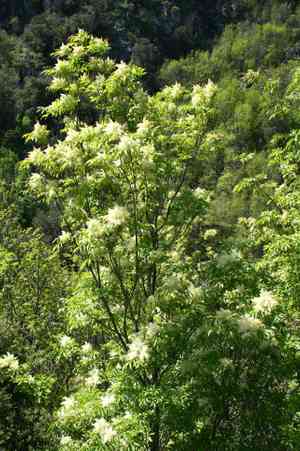
Manna ash flourishes optimally with over six hours of direct sun each day.
2
While this tree can endure some shade, it favors complete sun exposure for peak development.
3
Be mindful of leaf burn and sun damage, frequent problems when Manna ash receives too much strong sunlight.
Optimal Sunlight for Manna Ash
Full Sun Exposure
Manna ash thrives in full sun, meaning it should ideally receive at least six hours of direct sunlight daily. Ample sunlight provides the energy needed for photosynthesis, promoting vigorous growth, vibrant leaves, and enhanced disease resistance.
Partial Sunlight Conditions
While full sun is best, Manna ash can endure partial sunlight, getting about 3 to 6 hours of direct sun or filtered light each day. If your garden has mixed sun and shade, your Manna ash can still flourish, though it might grow slower and have less dense foliage than those in full sun.
Impact of Different Light Intensities
Varying light levels significantly affect Manna ash's health and development. While it needs full or partial sun, too much intense light can cause leaf burn, whereas too little light leads to poor growth and increased disease vulnerability. Proper light intensity ensures lush greenery and a strong, healthy tree.
Positioning Manna Ash for Best Sunlight
Ideal Planting Spots in Your Garden
Select a garden location that gets the most daylight, preferably south-facing, as it often has the longest sun exposure. Avoid spots shaded for most of the day by structures or other trees, as these can limit the sunlight your Manna ash receives.
Adjusting for Seasonal Changes
Seasonal shifts can alter the sunlight available to your Manna ash. In winter, the sun is lower, and some areas may get less direct light. It's crucial to monitor light exposure year-round and prune nearby plants if needed to maximize light during shorter winter days.
Using Reflective Surfaces
Boost sunlight exposure for your Manna ash with reflective surfaces. Placing light-colored stones or walls around the tree can help bounce more light onto its lower parts. This ensures even shaded areas receive beneficial light.
Daily Direct Sunlight Needs for Manna Ash
Recommended Hours of Sunlight
For peak growth, Manna ash needs at least 6 to 8 hours of direct sunlight daily. This amount ensures efficient photosynthesis, supporting both growth and development. Under ideal conditions, more sunlight will foster better health and structure.
Signs of Overexposure
Excessive, intense direct sunlight can cause leaf burn or scorch, where foliage turns brown or crispy. These symptoms indicate too much sun, and the tree may require some shading during peak afternoon hours, especially in the hottest months.
Indicators of Inadequate Sunlight
If your Manna ash isn't getting enough sunlight, you might observe slower growth, fewer leaves, or pale, yellowish foliage. This lack of light can weaken the tree, making it more susceptible to pests and diseases. Ensuring proper sunlight is vital for the tree's vigor.
Can Manna Ash Thrive in Low-Light Conditions?
Understanding Shade Tolerance
Manna ash can endure partial shade, but it's not well-suited for low-light environments. While it can survive in areas receiving less than 3 hours of direct sunlight, its growth will be stunted, and it won't reach its full potential. Extended periods in such conditions can be harmful.
Long-Term Effects of Low Light
Prolonged exposure to low light can result in weakened branches, sparse foliage, and an overall unhealthy appearance. The tree might also become more prone to fungal infections and other diseases due to reduced energy reserves and slower metabolic rates.
Supplementing with Artificial Light
If your Manna ash is in a low-light area, consider using artificial grow lights to simulate natural sunlight. LED grow lights are efficient and can provide the necessary light spectrum to help your tree flourish indoors or in shaded conditions.
Common Sunlight-Related Issues for Manna Ash
Sunburn and Leaf Scorch
A common issue for Manna ash is sunburn or leaf scorch, which occurs when the tree is exposed to intense sunlight without sufficient water. Ensure adequate watering and consider temporary shade during exceptionally sunny days.
Fungal Growth from Excessive Shade
Too much shade can create a damp environment favorable for fungal growth. This can lead to infections like powdery mildew or leaf spots. Regular pruning for good air circulation and appropriate sunlight can help prevent these problems.
Improper Growth Patterns
Insufficient sunlight often causes irregular growth patterns where the Manna ash becomes leggy or grows unevenly as it stretches toward the light source. Regular pruning and ensuring adequate sunlight can help maintain a balanced shape.



