How to Transplant Single-leaf ash?
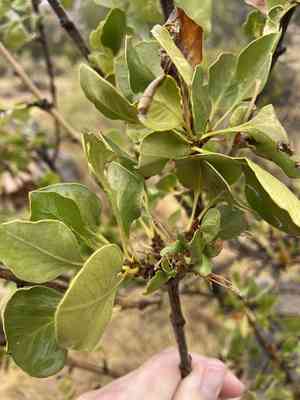
The optimal period for transplanting single-leaf ash spans the revitalizing phase from early to late spring, facilitating strong root development prior to the intense summer heat. Locations bathed in sunlight featuring adequately draining soil are conducive to single-leaf ash's proliferation. Exercising extreme care is crucial to safeguard the fragile root structure.
Preparations Required Before Relocating Single-leaf Ash?
Optimal Period for Moving Single-leaf Ash?
Gather your gardening implements and mark your calendar! The perfect time for relocating single-leaf ash spans from the onset of spring to the brink of early summer. This timeframe capitalizes on mild temperatures and ideal soil conditions, facilitating a smooth transition for single-leaf ash to flourish. Selecting this window for transplanting promotes robust growth and resilience, ensuring seamless adaptation to its new environment.
Recommended Spacing Between Single-leaf Ash Specimens?
Greetings, aspiring gardener! Before introducing your lovely single-leaf ash to its new home, let's discuss spacing. You'll want to provide ample room for growth, so aim for approximately 15-20 feet (4.5-6 meters) between each plant. It's like giving your single-leaf ash its own personal space!
Best Soil Blend for Single-leaf Ash Relocation?
Now, let's prepare the perfect bed for your single-leaf ash. It thrives in well-draining soil, complemented by a suitable base fertilizer. Consider it a comforting blanket and a nourishing snack for your plant. Begin with a soil mixture rich in loamâit's the ideal earth composition for your single-leaf ash.
Where to Replant Your Single-leaf Ash?
When searching for the best sun-drenched plot, your single-leaf ash will appreciate a location that receives full sunlight to partial shade. Envision a spot where it can absorb rays for at least 6 hours daily. It's the perfect balance of sun exposure and shade for your single-leaf ash's healthy development!
Equipment to Prepare Before Transplanting Single-leaf Ash?
Gardening Gloves
To safeguard your hands while digging and handling the single-leaf ash.
Shovel or Spade
For excavating around and beneath the root ball to safely extract single-leaf ash.
Garden Fork
Useful for loosening the soil surrounding the plant's root system.
Watering Can or Hose
To hydrate single-leaf ash before and after its relocation.
Wheelbarrow or Garden Cart
To transport the single-leaf ash from its original spot to the new site.
Pruning Shears
To trim any damaged roots or branches.
Measuring Tape
To ensure correct spacing for the new planting hole.
Stakes and Ties
For supporting single-leaf ash if needed post-transplanting.
How to Extract Single-leaf Ash from the Soil?
How to Extract Single-leaf Ash from the Soil?
From Ground: First, water the single-leaf ash to moisten the soil, which facilitates removal and helps protect the root system. Then, using a shovel or spade, carefully dig a wide trench around the plant, ensuring you're far enough out to avoid damaging the root ball. Gradually work the shovel deeper under the root ball and gently lift single-leaf ash from its position.From Pot: Water the single-leaf ash thoroughly to ease its removal. Tilt the pot sideways and gently tap the base or sides to loosen the root ball. If the plant doesn't come out easily, slide a garden fork along the pot's edges to assist. Carefully remove the plant by pulling the base of the stem or inverting the pot.From Seedling Tray: Water the seedlings to make the soil pliable. Use a spoon or a small tool to loosen the soil around each seedling. Gently lift single-leaf ash by carefully holding the leaves or the root ball, ensuring to retain as much soil around the roots as possible.
Step-by-Step Guide for Relocating Single-leaf Ash
Prepare the New Location
Prepare the site where single-leaf ash will be planted by removing any weeds and ensuring the area is level.
Hole Preparation
Dig a hole that is twice as wide and equally deep as the root ball of single-leaf ash, providing ample room for the roots to spread.
Placing the Plant
Carefully position single-leaf ash in the center of the new hole. The top of the root ball should be flush with the surrounding ground.
Backfilling
Fill in around single-leaf ash with the soil removed from the hole, gently firming it down without excessive compaction to ensure good soil contact with the roots.
Watering the Plant
Water single-leaf ash thoroughly after planting to settle the soil and eliminate any air pockets around the roots.
Staking if Necessary
If single-leaf ash is top-heavy or in a windy location, stake the plant to provide support until its roots become strong enough to sustain it.
Post-Transplant Care for Single-leaf Ash?
Pest Monitoring
Keep a watchful eye for pests and diseases. Early detection of any issues can prevent them from escalating.
Root Establishment
Promote root growth by avoiding disturbance of the soil around single-leaf ash for several weeks, allowing the roots to establish.
Mulching
Apply a layer of mulch around the base of single-leaf ash to conserve moisture, regulate soil temperature, and reduce weed competition.
Support Check
Regularly inspect any stakes or ties to ensure they are not too tight as single-leaf ash grows, adjusting as needed to prevent trunk damage.
Resolving Common Issues with Single-leaf Ash Transplantation.
When is the best time to transplant single-leaf ash?
The optimal period for transplanting single-leaf ash is from early to late spring, when temperatures are moderate.
What spacing should I use for single-leaf ash saplings?
Appropriate spacing for single-leaf ash is 15 to 20 feet (4.5 to 6 meters) to ensure proper development.
Why is my single-leaf ash wilting after transplanting?
Wilting can result from transplant shock. Ensure careful handling, adequate watering, and no root damage during the process.
How deep should I plant single-leaf ash during transplant?
The root ball should be planted at its original depth, indicated by soil marks on the stem.
Can I transplant single-leaf ash during summer or fall?
Transplanting single-leaf ash in summer or fall is not recommended due to extreme temperatures and reduced plant recovery time.
How much water does single-leaf ash need after transplanting?
Water single-leaf ash generously immediately after transplanting, then moderately to keep the soil consistently moist, not waterlogged.
Should I fertilize single-leaf ash after transplanting?
Delay fertilizing single-leaf ash until it exhibits new growth, indicating it has recovered from transplant shock.
What soil type is best for successful single-leaf ash transplanting?
Plant single-leaf ash in well-drained, fertile soil. Amend with organic matter if necessary to enhance soil quality.
How do I protect single-leaf ash from pests after transplanting?
Monitor regularly for pests. Use appropriate interventions only if you observe signs of infestations or disease.
Why are single-leaf ash's leaves turning yellow after transplanting?
Yellowing leaves could stem from water stress, nutrient deficiency, or root damage. Review and adjust your care routine accordingly.



