Enhancing Your Garden Design with the Single-leaf ash Plant: A Landscaping Guide
1
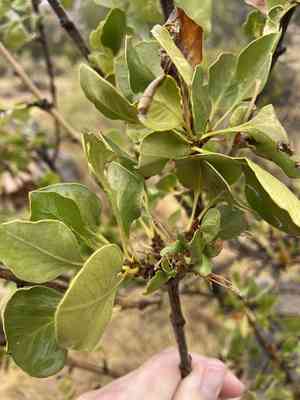
The unique leaf formation of Single-leaf ash contributes to its distinct visual charm.
2
Proper placement of Single-leaf ash is essential for its development and harmonious integration.
3
Single-leaf ash enriches the aesthetics of an area while offering ecological and cultural advantages.
Appreciating the Visual Qualities of Single-leaf ash
Primary aesthetic features of Single-leaf ash
Grasping the distinct visual charm of Single-leaf ash is vital for its integration into your landscape plan. With its characteristic single-leaf form and slender trunk, Single-leaf ash imparts sophistication and simplicity to any garden. Its foliage can produce a soft rustling sound in the breeze, adding an auditory element to your outdoor space. Furthermore, the tree's bark offers texture and contrast, effectively complementing other plants and garden elements.
How Single-leaf ash complements diverse landscape designs
A key appealing aspect of Single-leaf ash is its adaptability across various landscape styles. Whether you're aiming for a contemporary, minimalist garden or a classic, cottage-style yard, Single-leaf ash integrates smoothly into your design. In modern settings, its clean lines and structured shape enhance geometric layouts. In more relaxed, naturalistic environments, the organic silhouette of Single-leaf ash fosters harmony. This versatility makes Single-leaf ash a valuable addition to many landscapes.
Seasonal transformations and their visual impact
The seasonal changes of Single-leaf ash offer year-round visual appeal. In spring, new leaves emerge, bringing a fresh, vibrant green to your garden. As the seasons progress, these leaves deepen in color, creating a lush, verdant backdrop in summer. By autumn, the foliage shifts to warm, golden tones, providing a striking contrast to the cooler colors of late-season blooms and plants. Even in winter, the tree's structure stands out against snow or bare ground, continuing to offer aesthetic value.
Optimal Placement of Single-leaf ash in Landscapes
Identifying prime locations for planting Single-leaf ash
Selecting the appropriate spot for Single-leaf ash in your garden is crucial for maximizing its potential. Ideal locations typically feature well-draining soil and ample room for the tree to grow without overcrowding other plants. Consider positioning Single-leaf ash where it can serve as a focal point or as part of a larger planting arrangement. Areas near patios or along pathways are excellent choices, as the tree can provide both shade and visual interest in these zones.
Considering light and shade requirements
Single-leaf ash thrives best in spots that offer a balance of sunlight and shade. Full sun to partial shade conditions are optimal, ensuring the tree receives enough light for vigorous growth while also being shielded from the harshest midday sun. Placing Single-leaf ash in an area that gets morning sun and afternoon shade often works well, promoting healthy development while preventing leaf scorch and other heat-related issues.
Integrating Single-leaf ash with other plant species
Seamlessly integrating Single-leaf ash with other plants requires careful planning. Pair Single-leaf ash with plants that possess complementary textures, colors, and growth habits. Consider underplanting with shade-tolerant groundcovers or perennials to create a lush, multi-layered effect. Shrubs and other trees with contrasting leaf shapes and colors can enhance visual appeal, while taller plants can offer additional shade and shelter for Single-leaf ash, fostering a supportive plant community.
Cultural and Environmental Benefits of Single-leaf ash
Contribution to local biodiversity
Incorporating Single-leaf ash into your landscape design can significantly boost local biodiversity. The tree supports various bird species, insects, and other wildlife, creating a mini-ecosystem within your garden. Its flowers attract pollinators, while its seeds and leaves provide food and habitat for diverse creatures. This biodiversity enriches your gardenâs health and resilience, contributing to a more vibrant and balanced environment.
Impact on local climate and air quality
Single-leaf ash positively influences the local climate and air quality. Its foliage acts as a natural air filter, absorbing pollutants and releasing oxygen. Additionally, Single-leaf ash provides shade, reducing the urban heat island effect. By lowering surrounding temperatures, the tree makes outdoor spaces more comfortable and livable, supporting both human and environmental well-being.
Historical significance in landscape architecture
Single-leaf ash holds historical importance in various landscape architecture traditions. Its use can be traced back to historical gardens where it symbolized strength and longevity. By including Single-leaf ash in your landscape, you are not only enhancing your garden's beauty but also connecting with a rich tradition of horticultural design. This historical link adds depth and meaning to the modern garden, fostering a sense of continuity and heritage.
Maintenance Tips for Single-leaf ash
Seasonal care recommendations
Maintaining Single-leaf ash involves a series of seasonal tasks to ensure its health and aesthetic appeal. In spring, inspect for any winter damage and prune dead or diseased branches. Summer is the time for consistent watering and monitoring for pests. In autumn, focus on leaf cleanup and preparing the tree for winter by applying mulch around the base to protect the roots. Winter care includes safeguarding young trees from frost and checking for any damage from ice or snow.
Common challenges in maintaining Single-leaf ash and solutions
Like any plant, Single-leaf ash can encounter several challenges, such as pest infestations, diseases, and environmental stress. Regular observation and prompt intervention are crucial. For pests like aphids or spider mites, use natural deterrents or organic insecticides. Diseases such as leaf spot can often be managed by ensuring good air circulation and avoiding water splash on leaves. Addressing environmental stress involves proper watering, mulching, and ensuring the tree is planted in the ideal location.
Long-term health advice for Single-leaf ash
Ensuring the long-term health of Single-leaf ash largely depends on consistent care and monitoring. Regular pruning to remove dead or diseased wood, sufficient watering, especially during dry periods, and periodic soil conditioning to maintain nutrient levels are all essential. Additionally, keeping an eye on the overall health of surrounding plants can help prevent the spread of diseases and pests, ensuring Single-leaf ash remains a robust and integral part of your landscape for years to come.



