The Single-leaf ash Plant Advantage: Maximizing Home and Office Appeal and Wellness
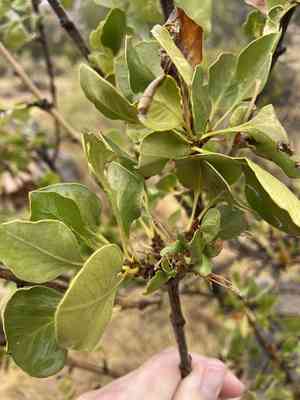
1
Single-leaf ash thrives in arid conditions, establishing it as a hardy plant type.
2
The foliage of Single-leaf ash enhances ground richness through its organic contributions.
3
Single-leaf ash offers a crucial sanctuary for local fauna, fostering ecological diversity.
How Does Single-leaf ash Benefit the Environment?
Soil Improvement and Fertility
A remarkable characteristic of Single-leaf ash is its capacity to enrich soil fertility. Its decaying foliage and organic matter supply vital nutrients to the soil, enhancing its overall quality. This natural organic input aids in retaining soil moisture and preventing erosion, proving especially advantageous in arid and semi-arid zones.
Erosion Control
Single-leaf ash plays a crucial role in mitigating soil erosion. Its extensive root system stabilizes the ground, lessening the chance of soil being washed away by water or carried off by wind. This is particularly important in erosion-prone areas, where the plant's presence helps preserve the land's integrity.
What Are the Benefits of Single-leaf ash to Local Wildlife?
Habitat Provision
Single-leaf ash offers a vital habitat for diverse wildlife species. Birds, insects, and small mammals find refuge within its branches and leaves. This not only supports the survival of these creatures but also fosters biodiversity, creating a more balanced and healthy ecosystem.
Food Source
In addition to offering shelter, Single-leaf ash serves as a significant food source. Its leaves, seeds, and even blossoms are consumed by various animals, ensuring they receive the necessary nutrients to flourish in their natural environment.
How Can Single-leaf ash Be Used in Landscaping?
Drought-Resistant Landscaping
Single-leaf ash is exceptionally well-suited for drought-tolerant landscaping. Its ability to thrive in low-water conditions makes it an ideal choice for sustainable gardens and landscapes. By incorporating Single-leaf ash, homeowners and landscape designers can reduce water consumption while maintaining a lush and vibrant setting.
Aesthetic Appeal
Beyond its ecological advantages, Single-leaf ash also contributes aesthetic value to landscapes. Its distinctive leaf structure and overall form make it an appealing addition to any garden or public area. The plant's seasonal transformations provide visual interest throughout the year, with bright green leaves in spring and summer, and a more subdued hue in autumn.
What Makes Single-leaf ash a Resilient Plant?
Adaptability to Different Climates
Single-leaf ash is renowned for its ability to adapt to various climates, especially dry or semi-arid regions. This hardiness is one of its most significant benefits, allowing it to not only survive but also flourish in less-than-ideal conditions. Its reduced water needs make it a sustainable option for environments experiencing extended periods of drought.
Low Maintenance Requirements
Another factor contributing to Single-leaf ash's resilience is its minimal maintenance demands. Once established, the plant requires little intervention, making it an excellent choice for both busy gardeners and large-scale landscape projects. Its natural defenses against pests and diseases further decrease the need for chemical treatments, promoting a healthier overall ecosystem.



