How to Propagate Single-leaf ash?
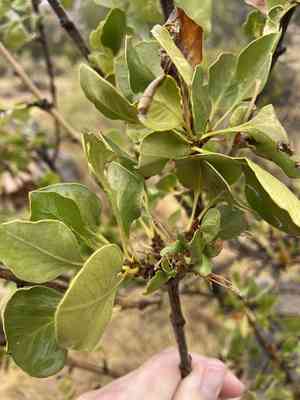
A member of the Oleaceae botanical group, single-leaf ash is a hardy variety ideal for propagation via cuttings. Select robust, semi-hardwood segments from an established single-leaf ash specimen. Verify that the cuttings are devoid of ailments or infestations and possess a minimum of one growth point. Submerge the cut end in a rooting compound to stimulate root formation, then embed it in a substrate that drains effectively, ensuring adequate hydration and warmth to aid root expansion. Through diligent attention and time, these cuttings will mature into vigorous plants, showcasing the distinctive traits of single-leaf ash.
When Is the Optimal Time to Propagate Single-leaf Ash?
Propagation Method
Cutting
Propagation Period
Autumn,Winter
What Equipment Is Used for Single-leaf Ash Propagation?
Sharp pruning shears
Crucial for obtaining healthy, precise cuttings from single-leaf ash. Keen blades ensure clean cuts, minimizing damage and disease risk at incision points. For single-leaf ash, which benefits from accurate, quick cuts to preserve stem tissue integrity, quality shears are vital.
Rooting hormone powder
This encourages root development from single-leaf ash cuttings. Dipping the stem's cut end into rooting hormone significantly boosts successful root formation. This is particularly important for woody plants like single-leaf ash, which might otherwise struggle to root quickly.
Sterile potting mix
A clean, well-draining substrate is essential for rooting single-leaf ash cuttings. A sterile mix prevents pathogens that could harm vulnerable cuttings. A suitable potting mix also provides adequate aeration and moisture retention, key for single-leaf ash root development.
Propagation trays
Used to organize and support single-leaf ash cuttings as they root. These trays help maintain an ideal microenvironment around the cuttingsâhumidity, warmth, and indirect lightâwhich is crucial for rooting. Trays should have proper drainage to prevent waterlogging.
Plastic covers or humidity domes
These tools create a moist atmosphere around single-leaf ash cuttings, vital for preventing desiccation before roots establish. Domes or covers also help maintain stable temperatures, fostering a growth-conducive environment.
Heat mats
For elevating the rooting environment's temperature, especially useful in colder months. Heat mats help maintain consistent warmth beneath propagation trays, significantly improving rooting success rates for single-leaf ash.
How to Propagate Single-leaf Ash?
Propagation Difficulty
Moderately Difficult
How to Care for Your Newly Propagated Single-leaf Ash?
How to Care for Your Newly Propagated Single-leaf Ash?
Once roots form and new growth appears, gradually acclimate single-leaf ash to less humid conditions by removing the plastic cover for increasing durations over several days. Transplant the new single-leaf ash sapling to a larger container or directly into the garden in an area receiving full sun to partial shade. Water regularly to keep the soil consistently moist, and mulch around the base to retain soil moisture and suppress weeds. Periodically check for pests and diseases, applying organic pesticide treatments if necessary.
Common Errors to Avoid When Propagating Single-leaf Ash
Overwatering
Supplying too much water to single-leaf ash can lead to root rot and fungal diseases. Single-leaf ash roots require well-drained soils to prevent waterlogging and ensure healthy development.
Deep Planting
Planting single-leaf ash seeds or cuttings too deeply hinders their ability to sprout effectively. This can significantly delay or prevent germination and rooting, impeding overall propagation success.
Ignoring Hardiness Zone
Attempting to propagate single-leaf ash in unsuitable hardiness zones can result in poor growth and survival rates. Single-leaf ash thrives in specific climates, and disregarding these can stress the plant and reduce vigor.
Using Dull Tools
Employing blunt pruning tools for cuttings can damage single-leaf ash's delicate tissues. This increases infection risk and may impair the plantâs healing and rooting capabilities.
Tips For Propagating Single-leaf Ash
Sharp pruning tools
Utilize sharp, clean pruning shears to take single-leaf ash cuttings. This ensures clean cuts that heal quickly and are less prone to infections, promoting better root development.
Appropriate Soil Mix
Employ a well-draining soil mix rich in organic matter to encourage healthy root growth for single-leaf ash. Ensuring proper drainage reduces root rot risks and supports overall health.
Proper Planting Depth
Plant single-leaf ash seeds or cuttings at a shallow depth. A general guideline is to plant them at a depth twice the seed's size or just enough to support the cutting upright, ensuring optimal exposure to necessary growth factors.
Careful Water Management
Water single-leaf ash judiciously to maintain moist, not soggy, soil conditions. Overwatering is detrimental, but so is allowing the soil to dry out completely, especially during critical rooting phases.



