How to Transplant Forked fimbry?
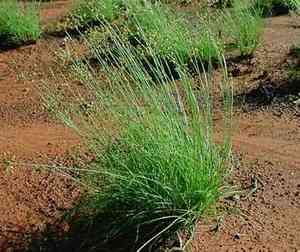
The optimal period for relocating forked fimbry spans from the commencement of early spring until the brink of summer's arrival, capitalizing on vigorous development. Select a brightly lit location featuring soil that drains effectively. Gentle handling and generous irrigation following the transplant will foster successful root establishment.
What Preparations are Needed Before Transplanting Forked Fimbry?
What is the Ideal Time for Transplanting Forked Fimbry?
The perfect time to move forked fimbry is from early spring to the start of summer. During this period, mild temperatures and favorable soil conditions help roots take hold, making it an excellent window for planting forked fimbry in its new spot. This timing aligns with the plant's natural growth cycle and ensures a strong start before intense summer heat, allowing forked fimbry to flourish in its new location.
How Much Space Should You Leave Between Forked Fimbry Plants?
Hello, gardener! Before placing your forked fimbry in their new home, ensure they have ample room to thrive. Aim to space each plant approximately 6-8 inches (15-20 cm) apart. This spacing guarantees sufficient room for growth and development, much like guests at a garden party!
What is the Best Soil Mix for Forked Fimbry Transplanting?
For your forked fimbry, consider the soil a comfortable bed: it needs to drain well and be nutrient-rich. A good, loamy soil is ideal. Before planting, mix in a balanced, slow-release fertilizer to give your forked fimbry a healthy start. Think of it as preparing a nourishing smoothie for the roots!
Where Should You Relocate Your Forked Fimbry?
Similar to finding the perfect sunbathing spot, your forked fimbry will thrive in a location with full to partial sunlight. Seek out a bright area where the sun's rays can reach the plant for at least 4-6 hours daily. It's like choosing a sunny spot for a delightful picnic!
What Equipments Should You Prepare Before Transplantation Forked Fimbry?
Gardening Gloves
To safeguard your hands while handling soil and plants.
Shovel or Spade
For excavating the plant from its original site and preparing the new hole.
Pruning Shears
To trim any unnecessary or dead foliage and roots.
Watering Can
To hydrate the plant before and after relocation.
Wheelbarrow or Garden Cart
For moving the plant and soil.
Trowel
For refining the planting hole and extracting the plant from containers or trays.
How Do You Remove Forked Fimbry from the Soil?
How Do You Remove Forked Fimbry from the Soil?
From Ground: Moisten the forked fimbry to dampen the surrounding soil. Carefully dig a wide circle around the plant with a shovel, keeping the root ball intact. Slide the shovel under the root ball and gently lift it from its position.From Pot: Tilt the pot sideways and tap the bottom to loosen the forked fimbry's hold. Support the plant by its base and carefully pull it out, minimizing root disturbance.From Seedling Tray: Dampen the soil to facilitate root removal. Use a trowel to gently dig around the seedling. Carefully lift the entire root system from the tray.
Step-by-Step Guide for Transplanting Forked Fimbry
Digging the Hole
Excavate a hole in the ground that is twice the width of the forked fimbry's root ball and of equal depth.
Root Preparation
Inspect the roots and trim away any broken or dead ones using pruning shears.
Plant Positioning
Place the forked fimbry into the hole. The top of the root ball should be level with the surrounding ground.
Filling the Hole
Backfill the hole with soil, gently pressing down to remove any air pockets.
Watering After Planting
Thoroughly water the forked fimbry to settle the soil around the roots and aid in shock recovery.
How Do You Care For Forked Fimbry After Transplanting?
Stabilizing
Add support stakes if the plant is tall or unstable, ensuring it can withstand wind.
Mulching
Apply mulch around the base of forked fimbry to retain moisture and regulate soil temperature.
Monitoring
Observe the plant for signs of transplant shock, such as wilting or discolored leaves, and intervene if necessary.
Continued Care
Maintain consistent watering to help the forked fimbry establish. Avoid overwatering or allowing it to dry out completely.
Troubleshooting Common Issues with Forked Fimbry Transplantation.
Why is my forked fimbry not thriving after transplant?
Ensure itâs planted when temperatures are mild, ideally in gentle springtime, spaced about 6-8 inches (15-20 cm) apart.
How do I prepare the soil for forked fimbry transplant?
Mix well-draining soil with organic compost, maintaining neutral to slightly acidic pH for optimal growth.
What's the best time to transplant forked fimbry?
Transition forked fimbry during the serene period of early to late spring for a smooth establishment in your garden.
How deep should I plant forked fimbry seedlings?
Plant forked fimbry seedlings so the root ball sits level with the soil surface, not deeper, to encourage sturdy growth.
How much should I water forked fimbry after transplanting?
Water moderately to keep soil moist but not waterlogged, promoting strong root development without rot.
Can forked fimbry be transplanted on a hot day?
Avoid hot days for transplanting. Choose a cloudy day or late afternoon to reduce transplant shock and wilting.
Why does my forked fimbry's foliage look wilted post-transplant?
Wilt can be a sign of transplant shock. Maintain even moisture and provide partial shade for recovery.
Should I fertilize forked fimbry right after transplanting?
Wait 4-6 weeks before fertilizing to allow forked fimbry to establish, then feed lightly to encourage growth.
Could the pot size affect forked fimbry's transplant success?
Absolutely, ensure the new pot is proportionate in size, giving forked fimbry ample room to grow without crowding.
How can I protect my transplanted forked fimbry from pests?
Keep an eye out for pests and treat with appropriate organic methods as needed while forked fimbry establishes roots.



