The Forked fimbry Plant Advantage: Maximizing Home and Office Appeal and Wellness
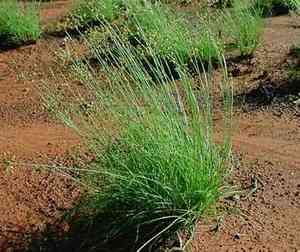
1
Forked fimbry aids in preventing soil degradation, contributing positively to ecological preservation.
2
This adaptable flora finds application in customary crafts and textile production across various societies.
3
The stringy quality of Forked fimbry renders it an eco-friendly source for manufacturing cords and diverse goods.
What Makes Forked fimbry Environmentally Beneficial?
Soil Erosion Control
A key ecological advantage of Forked fimbry is its capacity to prevent soil erosion. Its dense root system binds soil particles, stopping them from being washed away by water or carried off by wind. This is especially valuable in areas with heavy rain or strong winds, where soil loss can deplete fertile topsoil.
Water Filtration
Beyond stabilizing soil, Forked fimbry also contributes to water purification. The plant can absorb pollutants and toxins from water, acting as a natural filter. This makes it a valuable element in constructed wetlands and natural water treatment systems, leading to cleaner and healthier water sources.
How Is Forked fimbry Utilized in Traditional Crafts?
Weaving and Basketry
The fibrous nature of Forked fimbry is well-suited for traditional crafts, particularly weaving and basket making. In many cultures, the plant's fibers are gathered and used to create intricate baskets, mats, and other woven items. These crafts are not only practical but also carry cultural and historical importance.
Rope Making
Beyond weaving, the robust fibers of Forked fimbry are also employed in rope production. These ropes are durable and sustainable, offering an eco-friendly alternative to synthetic materials. In regions where Forked fimbry is plentiful, rope making remains a significant traditional craft that supports local economies and preserves cultural heritage.
What Are the Sustainable Benefits of Forked fimbry?
Renewable Resource
Forked fimbry is a rapidly growing plant, making it a renewable resource for various uses. Unlike trees, which take years to mature, Forked fimbry can be harvested more frequently, reducing pressure on natural resources. This sustainability makes Forked fimbry a preferred choice for environmentally friendly products.
Low Maintenance
Another sustainable advantage of Forked fimbry is its minimal care requirements. The plant is resilient and can thrive in diverse conditions, needing little water and no synthetic fertilizers or pesticides. This lessens the environmental impact of cultivation, making Forked fimbry an ecologically responsible option.
How Does Forked fimbry Support Biodiversity?
Habitat Creation
Forked fimbry plays a vital role in fostering biodiversity by creating habitats for various species. The plant offers shelter and food for insects, birds, and small mammals, contributing to a balanced ecosystem. By cultivating Forked fimbry, we can help promote wildlife diversity and ecosystem health.
Pollinator Support
Furthermore, the blooms of Forked fimbry attract pollinators such as bees and butterflies. These pollinators are crucial for the reproduction of many plant species, including food crops. By supporting pollinators, Forked fimbry indirectly boosts agricultural productivity and food security.



