How to Prune Forked fimbry?
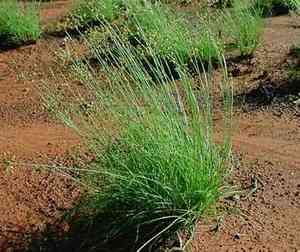
Forked fimbry, a perennial sedge, flourishes in moist environments, characterized by its delicate stalks and bifurcated flower clusters. To sustain its vitality and visual attractiveness, remove deceased or discolored leaves in late winter or early spring. Trimming away older sections stimulates fresh sprouts, improving both fullness and well-being. Clear away plant remnants to discourage insect infestations. Performing pruning during its inactive period reduces strain and fosters vigorous development in the spring. No intricate pruning method is necessary, simplifying its upkeep for cultivators.
What Are the Benefits of Pruning Forked Fimbry?
What Are the Benefits of Pruning Forked Fimbry?
Trimming forked fimbry is crucial for strong development and maintaining its form. By cutting back overgrown stems, gardeners can encourage forked fimbry to produce denser foliage, ensuring it stays visually appealing and well-managed within its designated area.
What Is the Best Time for Pruning Forked Fimbry?
What Is the Best Time for Pruning Forked Fimbry?
Pruning forked fimbry in early spring is beneficial as it occurs before new growth begins. This timing allows for the removal of any dead or damaged foliage from forked fimbry without harming new shoots, leading to healthier and more vigorous development. Additionally, early spring pruning ensures the plant conserves energy for developing strong, new growth instead of supporting parts that will soon be removed. Winter is also a suitable time for trimming forked fimbry, especially in regions where the plant enters dormancy. During dormancy, the absence of active growth means pruning is less likely to stress forked fimbry, and cuts made at this time can heal before the growing season starts. Moreover, reduced foliage in winter provides a clearer view of the plant's structure, enabling more precise trimming.
What Tools Do I Need to Prune Forked Fimbry?
Hand Pruners
Ideal for cutting stems and small branches on forked fimbry, ensuring a clean and precise cut without harming plant tissues.
Gardening Scissors
Perfect for snipping delicate stems or removing spent flowers of forked fimbry, offering a gentle method to preserve the plant's overall health.
Pruning Shears
Given forked fimbry's grass-like growth, shears provide a quick way to trim foliage uniformly, promoting a neat growth habit.
Sharp Knife
Useful for taking cuttings or dividing clumps of forked fimbry, facilitating propagation and managing its garden growth.
How to Prune Forked Fimbry
Identify
Carefully examine forked fimbry to spot any diseased or withered leaves. These typically show discoloration, spots, or physical damage, lacking the healthy green of normal foliage.
Sterilize
Use disinfected pruning shears or scissors to prevent disease spread. Wipe blades with alcohol or a bleach solution before starting and between cuts if pruning multiple plants.
Cut diseased
Gently cut diseased leaves from forked fimbry at their base where they meet the stem or soil. Make a clean cut, avoiding tearing, to minimize damage to healthy tissue.
Remove withered
Trim withered leaves that are completely brown and dry. These can be removed with a gentle tug or snip, as they no longer contribute to forked fimbry's growth.
Disposal
Discard all removed material far from garden beds to prevent the spread of potential pathogens. Never compost diseased plant material as it may harbor harmful organisms.
Common Pruning Mistakes with Forked Fimbry
Overpruning
Removing excessive foliage, which can stress forked fimbry and potentially hinder its growth or make it more vulnerable to diseases.
Improper cut locations
Cutting either too close to the base or too far from the node, which can damage forked fimbry and impede its recovery or lead to uneven growth.
Use of dull tools
Employing dull or unclean pruning tools can result in jagged cuts and introduce disease to forked fimbry.
Ignoring diseased portions
Failing to remove diseased or dead material may allow infections to spread throughout forked fimbry.
Pruning for shape only
Focusing exclusively on shaping forked fimbry without considering its growth habits or health can result in a less vigorous plant.
Neglecting timing
Forked fimbry may require pruning at specific growth stages for optimal health, and overlooking these stages can negatively impact the plant.
Common Pruning Tips for Forked Fimbry
Clean sharp tools
Always use clean and sharp tools to make precise cuts, which will help forked fimbry heal faster and reduce disease risk.
Prune dead diseased material
Regularly inspect and trim away dead, diseased, or damaged foliage and stems to maintain forked fimbry's health.
Follow growth pattern
Understand forked fimbry's growth pattern to make cuts that encourage the desired shape while promoting healthy growth.
Cut at correct angle
Make cuts at a 45-degree angle just above leaf nodes to promote proper healing and new growth in forked fimbry.
Moderate pruning
Perform moderate pruning to maintain the plant's shape and health without overpruning, which may stress forked fimbry.
Hydrate after pruning
Water forked fimbry sufficiently after pruning to help reduce plant stress and aid in its recovery.



