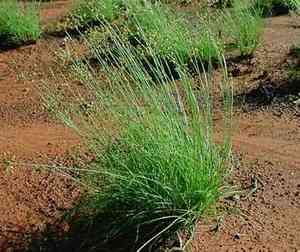
Forked fimbry (Fimbristylis dichotoma)
Also known as: Tall fringe-rush, Annual fringerush, Common fringe-rush
Forked fimbry, a type of sedge, is native to Asia, Africa, and Australia. It thrives in wet environments, including flooded areas. While it can sometimes be cultivated, it is more frequently regarded as a weed, particularly in rice fields.
In This Article
Attributes of Forked fimbry
Lifespan
Perennial, Annual
Plant Type
Grass
Plant Height
15 cm to 50 cm
Spread
30 cm
Leaf Color
Green
Flower Size
2.5 mm
Flower Color
Yellow Green Purple Brown
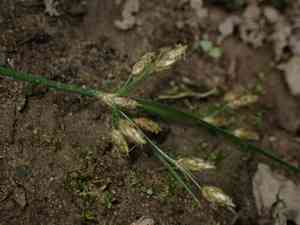
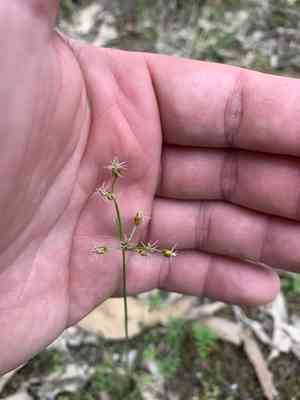
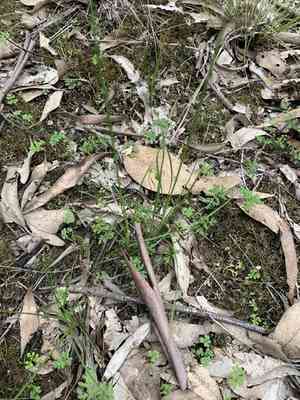
Images of Forked fimbry
Quickly Identify Forked fimbry
1
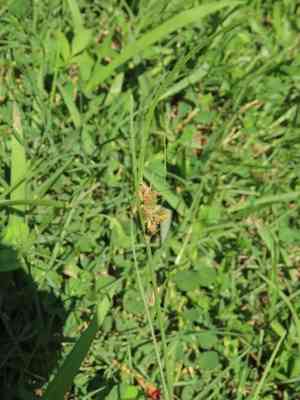
The plant can be identified by its tufted, grass-like appearance, with slender stems and narrow, linear leaves. Its flower clusters are small and often appear brownish.
Scientific Classification of Forked fimbry
Phylum
Vascular plants
Class
Monocotyledons
Order
Poales
Family
Sedge
Genus
Fimbry
Species
Forked fimbry
Planting and Growing of Forked fimbry
Care Difficulty
Easy
Watering Schedule
Every 8 days
Sunlight Requirements
Full sun
Sunshine Duration
6-10 hours
Ideal Temperature
75-85℉
Soil Type
Potting Mix, Peat Mix
Soil pH
5-7.8
Fertilizer Type
Balanced
Pruning Season
Spring, Summer
Pruning Area
Branches, Leaves
Pruning Frequency
2 times a year
Repotting Season
Spring
Pot Type
Plastic, Ceramic
 How to Water Forked fimbry?
When watering Fimbristylis dichotoma, aim for 200 milliliters to ensure the soil is adequately moist without becoming waterlogged. The goal is to provide just enough moisture for the roots to absorb, avoiding standing water. Watering should allow for gentle saturation, reaching the root zone without flooding, reflecting its natural habitat, which receives moderate but consistent humidity levels.
What are the symptoms of an underwatered Forked fimbry?
›
What should I do if my Forked fimbry is not getting enough water?
›
What are the symptoms of an overwatered Forked fimbry?
›
How to save an overwatered Forked fimbry?
›
 What Are the Sunlight Requirements for Forked fimbry?
Fimbristylis dichotoma flourishes in both full and partial sun. Adequate light results in thick foliage and vibrant colors, supporting photosynthesis and ensuring robust growth and health.
More About Sunlight Requirements Techniques→
How much sunlight is ideal?
›
How to ensure ideal sunlight exposure?
›
What happens if ideal sunlight is achieved?
›
 What Is the Ideal Temperature Range for Forked fimbry?
For Fimbristylis dichotoma, the ideal temperature range is between 75°F and 85°F. This range ensures optimal growth, as the plant is native to warm climates. Maintaining this temperature range helps in promoting healthy photosynthesis and root development.
 What Soil is Best for Forked fimbry?
Fimbristylis dichotoma flourishes in well-drained soils. Proper drainage is crucial as it prevents root rot and ensures that the plant can absorb the nutrients it needs efficiently, promoting healthy growth and preventing waterlogging. This plant benefits from soils rich in organic matter. The presence of decomposed plant material enriches the soil, providing essential nutrients and improving soil structure, which supports the robust growth of Fimbristylis dichotoma. While good drainage is essential, retaining sufficient moisture is also key. Loamy soils offer the perfect balance, holding moisture efficiently to sustain the plant during dry spells while preventing excess water accumulation.
 How to Fertilize Forked fimbry?
For Fimbristylis dichotoma, use a balanced liquid fertilizer diluted to half strength. Apply about 100-150 ml of the diluted solution per plant every two weeks to ensure they are getting sufficient nutrients without overloading them.
 How to Prune Forked fimbry?
Begin by inspecting the plant for any dead or yellowing leaves and stems. Identify areas that are overgrown to determine where trimming is necessary to maintain the desired shape and size of the plant. Using clean, sharp tools, make cuts just above a node or leaf to stimulate new growth. Avoid cutting more than one-third of the plant's height at a time to reduce stress on the plant. After pruning, gently water the plant to help it recover and settle. Consider adding a layer of mulch around the base to conserve moisture and provide a consistent environment for root growth.
More About Pruning Techniques→
 How to Propagate Forked fimbry plant?
1
Choose a well-draining potting mix, enriched with organic material. Loosely fill the seed tray or pots, ensuring there is space for seeds or divided plants.
2
Scatter the seeds over the prepared soil and gently press them into the surface. They require light to germinate, so avoid covering them with soil.
3
Use a sharp knife to gently separate a mature Fimbristylis dichotoma into smaller sections, ensuring each section has a healthy root system.
 How to Repot Forked fimbry plant?
1
Pay attention to signs such as the roots growing out of the drainage holes or the plant appearing stunted and root-bound. These indicators suggest that the Fimbristylis dichotoma has outgrown its pot and needs more space to thrive.
2
Select a pot that is one size larger than the current one, with ample drainage holes to prevent waterlogging. The right pot will support healthy root expansion and ensure optimal growth conditions for Fimbristylis dichotoma.
3
Opt for a sandy, well-draining soil mix. This type of soil mimics the plant's natural habitat and encourages proper water retention and aeration, preventing root rot and promoting vigorous growth.



