How Much Sunlight Do Forked fimbry Need?
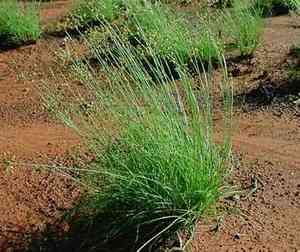
1
Forked fimbry flourishes optimally with a minimum of 6 hours of direct sun exposure each day.
2
It can endure some shade, but this might lead to less robust development.
3
Observe the plant for indications of excessive or insufficient light levels, utilizing basic instruments such as light meters.
The Vital Role of Sunlight for Forked Fimbry Development
Photosynthesis and Energy Production
Sunlight is fundamental for plant life, and Forked Fimbry is no different. This plant utilizes solar energy for photosynthesis, a process converting light into chemical energy. This energy is crucial for its development, fostering robust stems and abundant foliage. Providing adequate sunlight to your Forked Fimbry is essential for a vigorous photosynthetic process, which in turn supports its overall health and vitality.
Impact on Blooming and Seed Formation
Sunlight not only fuels Forked Fimbry's growth but also plays a key role in its reproductive cycle. Sufficient light promotes flowering and seed production, ensuring its propagation for future seasons. Without enough sunlight, you might observe fewer blooms and reduced seed yield, which can hinder the plant's ability to spread and flourish.
Ideal Sunlight Conditions for Forked Fimbry
Full Sun vs. Partial Shade Exposure
Forked Fimbry thrives in full sun, meaning it needs approximately 6 to 8 hours of direct sunlight daily. While it can endure partial shade, full sun exposure is optimal for its proper growth and blooming. In partial shade, it may grow, but likely with less vigor and fewer flowers.
Daily Light Requirements
For peak health, aim to provide your Forked Fimbry with at least 6 hours of direct sunlight each day. Position it where it can absorb morning sun or enjoy afternoon rays. Sufficient sunlight will ensure the plant stays healthy, encourages flowering, and aids in seed production. If you reside in an area with intense sun, consider offering it a break during peak afternoon hours to prevent scorching.
Monitoring and Adjusting Light Exposure
Indicators of Excessive Sunlight
Although Forked Fimbry loves the sun, too much can be detrimental. Signs of overexposure include yellowing or browning leaves, a wilted appearance, and scorched leaf edges. If these symptoms appear, it might be necessary to provide some afternoon shade or temporarily relocate the plant to a less intense sun exposure area.
Indicators of Insufficient Sunlight
Conversely, inadequate sunlight can result in elongated stems, weak growth, and diminished flowering. If your Forked Fimbry looks leggy or its new growth is sparse, it may be time to move it to a brighter location. Ensuring the plant receives enough light is vital for maintaining its health and aesthetic appeal.
Utilizing Light Measurement Tools
To achieve the perfect balance, consider employing light meters or smartphone applications to assess your Forked Fimbry's light conditions. These tools offer precise measurements of light intensity, ensuring you provide the optimal amount. Regular monitoring helps you make informed adjustments, guaranteeing your plant enjoys ideal growing conditions.
Adapting Sunlight for Seasonal Changes
Spring and Summer Adjustments
During spring and summer, the sun is typically stronger and more consistent. Ensure your Forked Fimbry fully benefits from this season by placing it in a spot with ample morning and afternoon sun. If summer sunlight becomes too intense, especially in hotter climates, consider providing light shade during peak hours to protect the plant from scorching.
Fall and Winter Adjustments
In fall and winter, the sun's intensity decreases, and daylight hours shorten. During these seasons, it's important to find the sunniest spot in your garden or home. If needed, supplement with grow lights to ensure your Forked Fimbry receives the necessary amount of light. Maintaining consistent light exposure year-round promotes strong, continuous growth.
Common Questions Regarding Forked Fimbry's Sunlight Needs
Can Forked Fimbry Thrive Indoors?
Yes, Forked Fimbry can grow indoors, but it requires a location that receives abundant sunlight, such as near a south-facing window. If natural light is insufficient, consider using supplemental grow lights to meet its requirements. Indoors, you might need to be more diligent in monitoring its light exposure to ensure it flourishes.
Actions During Extreme Weather Conditions?
Extreme weather, such as intense heatwaves or unexpected cold snaps, can affect Forked Fimbry's sunlight needs. During extreme heat, offer temporary shade to prevent scorching. In colder weather, if the plant is potted, move it to a more sheltered location with stable light conditions. Adapting to these conditions ensures the plant's continued health and growth.



