How to Transplant Strangler Fig?
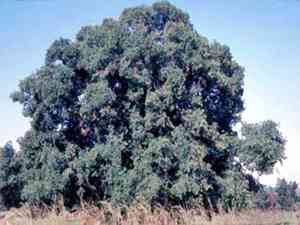
The prime window for transplanting strangler Fig is from the tail end of spring into the initial phase of summer, as vigorous development recommences. Select a location offering abundant light and soil that drains effectively, and preferably perform the transfer on cloudy days to minimize stress from relocation.
What Preparations are Needed Before Transplanting Strangler Fig?
What is the Ideal Time for Transplanting Strangler Fig?
For strangler Fig, the optimal transplanting period spans from late spring's conclusion to early summer's onset. This timeframe guarantees warmer soil, crucial for root development and growth. By selecting this moment, strangler Fig benefits from extended, sunny days for abundant photosynthesis, converting light energy into vigorous growth. Performing transplantation during this window ensures a smooth adjustment for strangler Fig, aligning with its natural growth cycle. This careful, supportive approach promotes a successful transition, paving the way for strangler Fig's future robust development.
How Much Space Should You Leave Between Strangler Fig Plants?
Greetings, aspiring gardeners! When relocating strangler Fig, it's best to provide ample room for root expansion. Aim to space them approximately 20-30 feet apart (6-9 meters). This will allow each strangler Fig sufficient area to grow and flourish without overcrowding.
What is the Best Soil Mix for Strangler Fig Transplanting?
To ensure strangler Fig's success, utilize a rich, well-draining soil. Before planting, enrich the site with a balanced, slow-release fertilizer to provide your strangler Fig with a nutritional boost. This foundational work will help your strangler Fig establish itself and thrive.
Where Should You Relocate Your Strangler Fig?
Ensuring your strangler Fig receives the correct amount of sunlight is crucial! Select a location that receives partial to full sun exposure. This means at least half a day of direct sunlight is ideal for your strangler Fig to flourish. Observe your garden's sun patterns when choosing the perfect spot.
What Equipments Should You Prepare Before Transplantation Strangler Fig?
Gardening Gloves
To safeguard your hands while handling soil and plants.
Shovel or Spade
To excavate around and beneath the plant for secure removal.
Hand Trowel
For smaller or delicate digging tasks.
Watering Can or Hose
To hydrate the plant before and after relocation.
Wheelbarrow or Tarp
To move the strangler Fig and maintain a tidy workspace.
Pruners or Sharp Knife
To trim any damaged roots or foliage.
Measuring Tape
To correctly space the transplant from other plants.
Stakes or Supports
To stabilize the strangler Fig after transplanting if necessary.
How Do You Remove Strangler Fig from the Soil?
How Do You Remove Strangler Fig from the Soil?
From Ground: First, thoroughly water the strangler Fig the day before its planned relocation to soften the soil. Use a shovel or spade to dig a wide trench around the strangler Fig, being careful not to harm the root ball. Gently pry beneath the root ball to loosen it from the ground before carefully lifting it out.From Pot: Water the strangler Fig to moisten the soil, facilitating easier removal. Tilt the pot sideways and gently tap or squeeze its sides to loosen the root ball. If needed, run a knife along the pot's inner edge. Carefully tip the plant out, guiding it from the pot with your hand supporting the root ball.From Seedling Tray: Water the seedlings thoroughly. Use a hand trowel to carefully extract individual strangler Fig seedlings, ensuring each retains a good amount of root and soil. Handle seedlings by their leaves rather than the stem to prevent damage.
Step-by-Step Guide for Transplanting Strangler Fig
Transport Planning
Once the strangler Fig is extracted, promptly move it to the new site using a wheelbarrow or tarp to prevent drying.
Hole Preparation
Excavate a hole in the ground that is twice as wide and the same depth as the root ball. Loosen the soil at the bottom of the hole to allow roots to penetrate easily.
Root Pruning
Examine the root ball for any dead or broken roots and prune them with a clean cut using pruners or a sharp knife.
Placement
Position the strangler Fig in the center of the hole so that the top of the root ball is level with the surrounding soil surface.
Filling In
Backfill the hole with soil, gently firming it to eliminate air pockets without excessive compaction.
Watering
Water the strangler Fig deeply immediately after transplanting to settle the soil around the roots and hydrate the plant.
Staking
If the strangler Fig is tall or unstable, provide support with stakes or supports, tying the plant loosely to allow for movement and growth.
How Do You Care For Strangler Fig After Transplanting?
Monitoring
Regularly check the strangler Fig to ensure it is adapting well to its new environment, looking for signs of new growth or stress.
Mulching
Apply a layer of organic mulch around the base of the strangler Fig to retain moisture and regulate soil temperature.
Pruning
Trim off any dead or damaged branches to direct the strangler Fig's energy towards root and foliage development.
Watering Schedule
Maintain a consistent watering schedule, allowing the top layer of soil to dry out slightly between waterings to encourage deep root growth.
Protection
Shield the strangler Fig from strong winds and pests as needed while it establishes itself.
Adjustment Period
Allow time for the strangler Fig to undergo an adjustment period where growth might slow as it establishes a new root system.
Troubleshooting Common Issues with Strangler Fig Transplantation.
Why should strangler Fig be transplanted in late spring to early summer?
Transplanting strangler Fig during this period maximizes growth potential with warm soil and moderate temperatures facilitating root establishment.
How far apart should strangler Fig be spaced when transplanting?
Give strangler Fig room to thrive by spacing transplants 20-30 feet (6-9 meters) apart, ensuring ample room for expansive growth.
What are signs of transplant shock in strangler Fig?
Drooping or yellowing leaves, stunted growth, and leaf loss indicate transplant shock in strangler Fig. Gentle care helps recovery.
How deep should the hole be for transplanting strangler Fig?
Dig a hole twice as wide and the same depth as the root ball of strangler Fig to ensure proper placement.
Is it okay to trim roots of strangler Fig before transplanting?
Prune damaged or excessively long roots of strangler Fig lightly to encourage healthy growth, but avoid extensive root trimming.
How much should I water strangler Fig after transplanting?
Water strangler Fig generously post-transplant to moisten soil, then establish a regular watering schedule to maintain soil hydration.
What kind of soil improvement is needed for strangler Fig?
Enrich the planting site with organic compost to improve soil fertility and drainage for strangler Fig.
How do I protect newly transplanted strangler Fig from wind?
Provide temporary staking if needed to stabilize strangler Fig against strong winds, ensuring it remains upright as roots take hold.
Can strangler Fig be transplanted near other trees?
Transplant strangler Fig at a safe distance from other trees to avoid competition for resources and ensure mutual growth.
Should I fertilize strangler Fig immediately after transplanting?
Wait to fertilize strangler Fig until it has shown new growth, indicating successful transplant adjustment and reduced stress.



