How to Prune Strangler Fig?
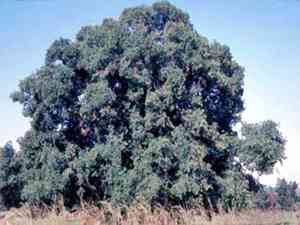
Celebrated for its capacity to encircle host trees, strangler Fig flourishes in temperate environments. Trim to preserve its form and vitality by excising deceased, ailing, or excessively dense limbs. The optimal period for cutting is early spring or late winter, immediately preceding the commencement of the primary growth phase. Pruning at this juncture encourages robust development and facilitates rapid wound recovery. Consistent trimming improves light access and air movement, which are crucial for strangler Fig's endurance and visual appeal.
What Are the Benefits of Pruning Strangler Fig?
What Are the Benefits of Pruning Strangler Fig?
Trimming strangler Fig encourages robust development and maintains its desired form, preventing excessive growth that could harm plant vitality or appearance.
What Is the Best Time for Pruning Strangler Fig?
What Is the Best Time for Pruning Strangler Fig?
Pruning strangler Fig in late winter or early spring is considered optimal because this period aligns with the plant's dormant phase just before new growth begins. Trimming in late winter, prior to strangler Fig breaking dormancy, allows the plant to focus energy on healing and generating new growth when spring arrives. It minimizes stress on strangler Fig, ensures wounds are exposed for a shorter duration before growth seals them, and lowers the risk of infection from pests or diseases that are less active in colder months. Furthermore, pruning strangler Fig during these seasons helps maintain its shape and size, removes dead or damaged branches, and fosters a healthier, more resilient plant better equipped for the growing season. Avoid pruning during strangler Fig's active growth, flowering, or fruiting periods to safeguard plant vigor and its natural growth and reproduction cycle.
What Tools Do I Need to Prune Strangler Fig?
Hand Pruners
Strangler Fig can be trimmed with hand pruners for cutting smaller branches. Opt for bypass pruners for cleaner cuts that promote better healing.
Lopping Shears
For branches too thick for hand pruners but not excessively large, lopping shears are suitable for strangler Fig. Their long handles provide extra leverage for thicker stems.
Pruning Saw
When dealing with mature strangler Fig with thicker branches, a pruning saw is essential. It allows precise cuts on branches too thick for loppers.
Pole Pruner
For higher branches of strangler Fig that are out of reach, a pole pruner with a saw attachment can be used to safely trim without a ladder.
How to Prune Strangler Fig
Remove Diseased Leaves
Identify and promptly remove any leaves on strangler Fig showing signs of disease, such as unusual spots, discolored areas, or decay. Use sterilized pruning shears for clean cuts to prevent disease spread.
Trim Withered Leaves
Carefully trim off withered or yellowing leaves from strangler Fig to maintain its aesthetic appeal and redirect the plant's energy towards healthier growth. Ensure to cut close to the main stem without causing damage.
Disinfect Tools
After trimming diseased and withered leaves, disinfect your pruning tools before moving to other plants or making further cuts on strangler Fig to prevent pathogen transmission.
Thin Dense Areas
Thin out dense areas where airflow might be restricted. Remove some of the inner leaves of strangler Fig, especially if they are overlapping, to improve light penetration and circulation, reducing disease risk.
Regular Maintenance
Perform regular maintenance checks on strangler Fig, removing any small or emerging diseased or withered leaves before they can impact the plant's overall health. This ensures continuous, vigorous growth.
Common Pruning Mistakes with Strangler Fig
Over-Pruning
Removing too much foliage at once can stress strangler Fig, leading to poor health and growth.
Incorrect Cuts
Making cuts too far from a node or bud, or cutting into old wood without new growth potential, can result in unsightly scars and hinder strangler Fig's recovery.
Tearing Bark
Rough pruning can cause the bark to tear, which can lead to disease and pest infestation.
Neglecting Tool Hygiene
Not cleaning pruning tools before and after use can spread disease between plants.
Ignoring Plant Architecture
Pruning without understanding the natural shape of strangler Fig can result in an unnatural appearance and potentially damage the plant's structure.
Common Pruning Tips for Strangler Fig
Sharp Tools
Use clean, sharp tools to make precise cuts, which help strangler Fig heal faster and reduce the risk of disease.
Assess The Plant'S Health
Before pruning, assess strangler Fig for dead or diseased branches, which should be removed to maintain plant health.
Prune For Shape
Lightly trim strangler Fig to maintain its desired shape, following its natural growth pattern to enhance its aesthetic appeal.
Selective Thinning
Remove crowded or crossing branches to improve air circulation and light penetration, which promotes healthy growth in strangler Fig.
Prune For Rejuvenation
For older strangler Fig, selectively prune older branches to encourage new growth and rejuvenate the overall plant.



