How to Propagate Strangler Fig?
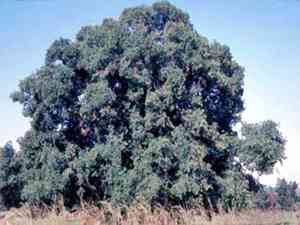
A vigorous climbing plant renowned for its rapid expansion, Ficus aurea is frequently multiplied via stem sections. For optimal outcomes, choose sound, disease-free stems that possess multiple nodes. These sections should be situated in a growing medium that drains effectively, blended with organic material to encourage root formation. Steady hydration and warmth are essential, but refrain from excessively soaking the cutting. Root systems generally form within several weeks, subsequently allowing the plant to be progressively introduced to less regulated external environments.
Optimal Period for Strangler Fig Propagation
Propagation Type
Cutting
Propagation Season
Spring,Summer
Tools Required for Strangler Fig Propagation
Sharp pruning shears
These are vital for making clean, precise cuts on strangler Fig. Sharp blades ensure smooth cut surfaces, reducing damage and stress to the parent plant, and promoting quicker healing and rooting of cuttings. Smooth cuts are crucial for successful propagation, minimizing infection risk and improving water uptake.
Rooting hormone powder or gel
This product is essential for encouraging root growth from strangler Fig cuttings. Applying rooting hormone to the cut base not only boosts the likelihood of successful root development but also accelerates the rooting process. This is particularly beneficial for hardwood cuttings, which might otherwise root more slowly.
Sterile potting mix
A sterile potting mix offers a clean, controlled environment for strangler Fig cuttings to root. This reduces the chance of soil-borne infections, which can harm the health and viability of new plants. A well-draining, nutrient-rich mix is important to support initial root development without excessive moisture, which could cause rot.
Plant pots with drainage holes
These containers are necessary for effective water management during the rooting process of strangler Fig cuttings. Drainage holes prevent waterlogging, a condition that can lead to root rot and kill young roots. Properly sized pots ensure the soil dries at a rate beneficial for root health while providing sufficient moisture for growth.
Misting bottle
Used for gently watering strangler Fig cuttings. Frequent misting helps maintain high humidity around the cuttings, which is critical to prevent delicate new roots from drying out. High humidity is especially advantageous for strangler Fig, as it mimics their natural humid habitats.
How to Propagate Strangler Fig?
Propagation Type
Moderately Difficult
Caring for Your Newly Propagated Strangler Fig
Caring for Your Newly Propagated Strangler Fig
After successful propagation, continue to cultivate your new strangler Fig in well-draining soil with bright, indirect light. Consistent watering is key, allowing the soil to dry slightly between waterings. Fertilize sparingly with a balanced, water-soluble fertilizer during the active growth period. Regularly check for pests and diseases, and prune as needed to maintain shape and health.
Common Errors to Avoid When Propagating Strangler Fig
Overwatering cuttings
Excessive watering of strangler Fig cuttings can lead to root rot, severely hindering root development and potentially killing the plant before it establishes. Maintaining a proper moisture balance is crucial to prevent waterlogged soil conditions.
Using non-sterile tools
Employing non-sterile tools during the cutting or handling process can introduce pathogens to strangler Fig, causing infections that can jeopardize the entire propagation effort. This error increases the risk of disease transmission.
Inadequate light during rooting
Insufficient illumination can delay or impede the rooting process of strangler Fig. While strangler Fig doesn't demand intense light, failing to provide moderate light conditions can result in weak, elongated shoots less likely to survive transplantation.
Advice for Propagating Strangler Fig
Use of rooting hormone
Applying a rooting hormone to strangler Fig cuttings can significantly boost rooting success by stimulating faster and more robust root development. This step is vital for healthy establishment.
Maintain humidity
Keeping the environment humid around strangler Fig cuttings helps prevent them from drying out too quickly. This can be achieved using a plastic cover or a humidity dome, creating a microclimate favorable for root formation.
Proper soil mix
Utilizing a well-draining soil mix for strangler Fig propagation is essential for adequate aeration and moisture retention. A blend of peat, perlite, and sand is typically beneficial, promoting healthy root growth without retaining excessive water.



