Enhancing Your Garden Design with the Strangler Fig Plant: A Landscaping Guide
1
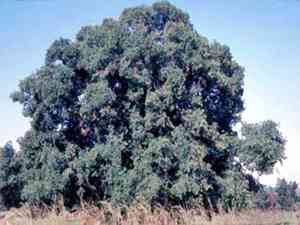
Strangler Fig offers both shade and aesthetic appeal in gardens of varying sizes.
2
The placement of Strangler Fig greatly impacts the visual charm of your garden.
3
Appropriate care guarantees Strangler Fig flourishes and contributes enduring beauty to your outdoor space.
Introducing Strangler Fig for Outdoor Spaces
Overview of Strangler Fig's contribution to landscape aesthetics.
Strangler Fig offers a distinctive element to any outdoor design, thanks to its striking appearance and beneficial attributes. Renowned for its capacity to offer ample shade and lush foliage, Strangler Fig can also establish a captivating centerpiece in your garden. Whether aiming to fill a large area or craft a secluded spot, Strangler Fig provides adaptability and practical beauty. Its ability to adjust to various environmental conditions makes it a dependable option for both new and seasoned gardeners.
Advantages of incorporating Strangler Fig into your outdoor areas.
Integrating Strangler Fig into your landscape provides numerous advantages. Firstly, its substantial canopy can offer respite from the sun, making outdoor areas more pleasant during warm days. Secondly, Strangler Fig can aid in reducing soil erosion due to its extensive root system. Furthermore, the tree acts as a hub for local wildlife, promoting biodiversity within your garden. Beyond its practical uses, Strangler Fig adds aesthetic value through its robust and impressive presence.
Optimal Placement for Strangler Fig in Your Garden
Choosing the perfect spot for Strangler Fig in your outdoor space.
Selecting the right location for Strangler Fig is vital for maximizing its impact. Ideally, position it where you require the most shade or where you wish to establish a natural overhead cover. Areas near patios, play zones, or walkways can benefit from its shade and cooling effect. Ensure the tree has adequate space to grow both above and below ground, meaning avoiding proximity to structures or subterranean utilities. The ideal site should also feature well-draining soil and access to ample sunlight for healthier development.
How Strangler Fig's placement influences overall garden aesthetics.
The positioning of Strangler Fig can significantly alter the appearance and ambiance of your garden. Placed centrally, it can function as an engaging focal point around which the rest of your garden design can unfold. When situated alongside paths or borders, it can foster a sense of unity and sophistication. Its height and expansive canopy can introduce vertical interest, making your landscape visually dynamic. Careful placement ensures that Strangler Fig not only survives but flourishes and contributes its unique character to your landscape design.
Plants to Pair with Strangler Fig
Ideal companion plants for Strangler Fig and their rationale.
When considering companion planting with Strangler Fig, select plants that thrive in similar conditions and offer complementary benefits. Ground covers such as ferns and hostas are suitable, as they appreciate the shade provided by Strangler Fig. Additionally, flowering plants like azaleas and camellias can introduce color and diversity, enhancing visual appeal. These plants collectively help create a layered look that mimics natural forest ecosystems, offering both aesthetic and ecological advantages.
Understanding the environmental benefits of companion planting with Strangler Fig.
Companion planting with Strangler Fig provides several ecological advantages. The varied root systems of different plants can help improve soil structure and fertility, promoting overall plant health. This diversity also supports a wider array of wildlife, from pollinators like bees to various soil organisms that assist in nutrient cycling. By emulating natural ecosystems, you cultivate a resilient garden that demands less upkeep and external inputs, thereby fostering a sustainable and flourishing landscape.
Caring for Strangler Fig in Your Landscape
Essential maintenance guidelines for Strangler Fig in outdoor settings.
Maintaining Strangler Fig involves consistent watering, particularly during dry periods, to keep the soil moist but not waterlogged. Pruning is crucial for removing dead or diseased branches, encouraging healthier growth and a more appealing form. Applying mulch around the base can help retain soil moisture and suppress weeds. As Strangler Fig matures, regular checks for pests and diseases will ensure it remains healthy and robust. Consistent maintenance not only keeps Strangler Fig looking its best but also extends its lifespan.
Seasonal considerations for Strangler Fig care.
Each season presents distinct challenges and opportunities for maintaining Strangler Fig. In spring, focus on fertilization to support new growth. Summer necessitates consistent watering to combat heat stress. Autumn is an opportune time for pruning and preparing the tree for winter. During winter, while Strangler Fig is relatively dormant, ensure it is protected from extreme cold and monitor for any signs of frost damage. Each season requires specific care practices to ensure Strangler Fig continues to thrive and enhance your landscape throughout the year.
Design Approaches with Strangler Fig
Innovative ways to showcase Strangler Fig in your outdoor design.
There are numerous creative applications for Strangler Fig in landscape design. One method is to utilize it as a living canopy for outdoor seating areas, creating a natural, shaded sanctuary. You can also design a garden path that meanders around the tree, making it a central feature that guides visitors through your garden. Another concept is to plant Strangler Fig in strategic locations to serve as windbreaks or privacy screens, blending utility with aesthetics. Your imagination is the only limit when it comes to incorporating Strangler Fig into your landscape.
Utilizing Strangler Fig as a natural sculpture or focal point.
Strangler Fig can function as a natural sculpture, offering visual interest through its structure and foliage. Its distinctive trunk and expansive canopy can be accentuated with strategic lighting to create stunning night-time visuals. Another technique is to plant Strangler Fig in a solitary position, where its majestic form stands out against the surrounding plants. By treating Strangler Fig as a living work of art, you can elevate its status from merely functional to a truly awe-inspiring centerpiece in your landscape.



