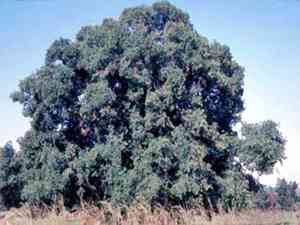
Strangler Fig (Ficus thonningii)
Also known as: Giant forest fig
The Strangler Fig (Ficus thonningii) is a versatile evergreen tree. Its fruits are a vital food source for wildlife, particularly birds and insects. In traditional practices, parts of the tree are used for medicinal purposes, such as treating respiratory issues. The leaves and fruits are also valuable as livestock fodder. Additionally, the tree is often planted for shade and holds cultural and spiritual significance in various communities. The species name honors Danish plant collector Peter Thonning (1775-1848).
In This Article
Attributes of Strangler Fig
Lifespan
Perennial
Plant Type
Vine, Shrub
Plant Height
6 m to 21 m
Spread
5 m to 20 m
Leaf Color
Green
Flower Size
7 mm to 1.4 cm
Flower Color
White
Images of Strangler Fig
Quickly Identify Strangler Fig
1
Ficus thonningii can be identified by its leathery, elliptical leaves with pointed tips and smooth margins. The tree also produces small, clustered figs that are initially green and turn yellow or reddish when ripe. Additionally, it is often seen growing aerial roots that reach down to the ground, characteristic of strangler figs.
Scientific Classification of Strangler Fig
Phylum
Vascular plants
Class
Dicotyledons
Order
Rosales
Family
Mulberry
Genus
Fig trees
Species
Strangler Fig
Planting and Growing of Strangler Fig
Care Difficulty
Moderate
Watering Schedule
Every 2 days
Sunlight Requirements
Partial sun
Sunshine Duration
6-10 hours
Ideal Temperature
65-75℉
Soil Type
Potting Mix, Peat Mix
Soil pH
6.5-7.5
Fertilizer Type
Balanced
Pruning Season
Spring, Summer
Pruning Area
Branches, Leaves
Pruning Frequency
2 times a year
Repotting Season
Spring
Pot Type
Plastic, Ceramic
 How to Water Strangler Fig?
The Ficus thonningii prefers a thorough watering where the soil is saturated but not waterlogged. Aim to deliver around 500ml of water each time, ensuring the water reaches the root system and excess can drain away.
What are the symptoms of an underwatered Strangler Fig?
›
What should I do if my Strangler Fig is not getting enough water?
›
What are the symptoms of an overwatered Strangler Fig?
›
How to save an overwatered Strangler Fig?
›
 What Are the Sunlight Requirements for Strangler Fig?
Partial sun for 4 to 6 hours daily helps Ficus thonningii maintain lush foliage and robust growth. This light range supports photosynthesis effectively without causing stress.
More About Sunlight Requirements Techniques→
Optimal sunlight requirement
›
Solution for ideal lighting
›
Effects of ideal light
›
 What Is the Ideal Temperature Range for Strangler Fig?
For optimal growth, Ficus thonningii thrives in temperatures ranging from 65°F to 75°F. This range allows the plant to maintain its metabolic rate efficiently, ensuring proper growth and health. Providing this environment mimics its natural habitat, promoting robustness and vibrant foliage.
 What Soil is Best for Strangler Fig?
Ficus thonningii thrives best in well-drained soils, which help prevent root rot by allowing excess water to drain away efficiently. A well-drained soil ensures that roots receive sufficient oxygen, promoting healthy plant growth and vigor. To support its rapid growth, Ficus thonningii requires nutrient-rich soil. This kind of soil supplies essential nutrients like nitrogen, potassium, and phosphorus, which are crucial for robust foliage and root development. Amending soil with compost can help achieve this. Ficus thonningii prefers soils that maintain moderate moisture levels. Consistent moisture supports healthy growth but avoids water stress. Regular watering and mulching help maintain appropriate moisture levels, which in turn supports lush foliage.
 How to Fertilize Strangler Fig?
For Ficus thonningii, the recommended amount of fertilizer varies depending on the type. Liquid fertilizers should be diluted to half their regular strength to avoid overwhelming the plant. Apply about 100-150 ml per application, ensuring even distribution around the base.
 How to Prune Strangler Fig?
Select sharp, clean pruning shears or loppers to make clean cuts without damaging the plant tissue. For larger branches, a pruning saw might be more appropriate. Disinfect your tools before use to prevent the spread of disease. Focus on removing any dead, diseased, or crossing branches. Cut back any branches that are growing inwards or disrupting the desired shape of the plant. This will enhance air circulation and sunlight exposure for the remaining branches. Make your cuts at a slight angle to prevent water from collecting on the cut surface. Ensure the cut is clean and close to the branch collar without cutting into it. This will allow the plant to heal quickly and prevent disease.
More About Pruning Techniques→
 How to Propagate Strangler Fig plant?
1
Harvest seeds from a mature Ficus thonningii fruit. Clean them thoroughly to remove any residual pulp which might encourage fungal growth. Let them dry completely before storing them.
2
Select a healthy branch and cut a 6-8 inch segment with several leaves using sterilized pruning shears. Remove the leaves on the lower half of the cutting to reduce water loss and encourage root growth.
3
Prepare a sterile environment and agar medium with appropriate hormones. Small tissue pieces are placed into the medium under sterile conditions for callus formation and eventual plantlet development.
 How to Repot Strangler Fig plant?
1
Look for roots growing through the drainage holes, or if growth seems stunted despite optimal care. Also, if the soil dries out too quickly after watering, it's a sign the roots have taken over the pot and need more space.
2
Select a pot that is one size larger than the current one, ensuring it has adequate drainage holes to prevent waterlogging. A larger pot provides more room for root expansion, which supports healthier plant growth and reduces the need for frequent watering.
3
Opt for a well-draining potting mix, ideally one that is peat-based or includes perlite. This ensures proper aeration and prevents root rot by facilitating excess water drainage, keeping the plant's roots healthy and thriving.
Toxicity
ingestion of sap or leaves
WARNING
The judgment on toxicity and danger is for reference only. We DO NOT GUARANTEE any accuracy of such judgment. Therefore, you SHALL NOT rely on such judgment. It is IMPORTANT TO SEEK PROFESSIONAL ADVICE in advance when necessary.
Learn More About Strangler Fig Diseases
Anthracnose
Bacterial Leaf Spot
Crown Gall
Cyst Nematode
Damping-off
Downy Mildew
Drought Stress
Fusarium Wilt
Gray Mold
Leaf Curl
Leaf Spot
Mosaic
Nutrient Deficiency
Nutrient Toxicity
Powdery Mildew
Root Rot
Root-knot Nematode
Rusts
Sooty Mold
Spider Mites
Temperature Stress
Thrips Damage
White Mold



