How to Transplant Common fig?
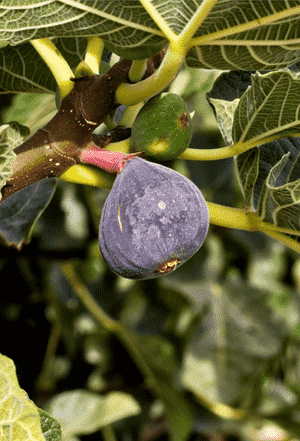
To achieve optimal outcomes, relocate your common fig during its peak period, from early to mid-spring. Select a bright spot featuring soil that drains effectively for superior development. Carefully untangle the root system prior to planting, fostering robust integration of your common fig.
What Preparations are Needed Before Transplanting Common Fig?
What is the Ideal Time for Transplanting Common Fig?
Consider relocating common fig as winter ends and spring begins, specifically from early to mid-spring. This timeframe is perfect for common fig's transplant. Its root system will have ample opportunity to establish itself before the summer heat arrives. Additionally, the abundant rainfall during this period will provide natural irrigation for common fig. Transplanting at this time is like investing in a promising growth strategy for your cherished common fig. Remember, proper timing can significantly impact common fig's development, just as it does in our lives. So, let's give common fig the best possible start this spring!
How Much Space Should You Leave Between Common Fig Plants?
When transplanting common fig, it's crucial to provide ample room for growth. Aim for a separation of approximately 10-15 feet (3-4.5 meters) between each plant. This will ensure they have sufficient space to expand and flourish!
What is the Best Soil Mix for Common Fig Transplanting?
To prepare the soil for common fig transplantation, ensure it is well-draining and loamy, as these plants thrive with a good balance of moisture and aeration. Incorporate a foundational fertilizer rich in organic matter, such as compost or aged manure, to nourish your plants and support robust development.
Where Should You Relocate Your Common Fig?
When selecting a new site for common fig, be sure to choose a location that receives abundant sunlight. These plants prefer full sun, so aim for a spot that gets about 6-8 hours of direct sun daily. This will help them grow strong and produce delicious fruit!
What Equipments Should You Prepare Before Transplantation Common Fig?
Gardening Gloves
To protect your hands from potential injury while handling soil and plants.
Trowel
This will be used to cut into the soil to extract the plant from its current container or ground.
Watering Can
Utilized for thoroughly hydrating common fig before and after relocation.
Spade
This implement assists in excavating an appropriate hole in the ground where common fig will be replanted.
Gardening Secateurs
To trim any dead or unnecessary branches or leaves before and after the move.
How Do You Remove Common Fig from the Soil?
How Do You Remove Common Fig from the Soil?
From Ground: Begin by thoroughly watering the soil to minimize stress on common fig. Next, carefully dig around the plant with a trowel or shovel to avoid damaging any roots. Then, gently lift the plant from the ground, attempting to keep as many roots intact as possible.From Pot: Water the soil in the pot thoroughly. Once the water has absorbed, tilt the pot sideways and gently tap the sides to loosen the soil around common fig. Carefully slide the common fig plant out, striving to maintain the root structure.From Seedling Tray: Water the tray completely and wait for the water to be absorbed. Now, gently pry out the seedling using a spoon or similar tool, taking care not to harm the roots of common fig.
Step-by-Step Guide for Transplanting Common Fig
Preparation
Start by digging a hole in your chosen location. The hole should be twice as wide and equal in depth to the root system of common fig.
Placing
Position common fig in the hole, ensuring that the top of the root ball is level with the ground surface.
Soil Filling
Gently backfill the hole with soil, patting it down firmly around the plant's base to secure it. Avoid pressing too hard, as compaction can hinder growth.
Watering
Water common fig thoroughly after transplanting to settle the soil and eliminate any air pockets.
How Do You Care For Common Fig After Transplanting?
Watering Frequency
Common fig prefers arid conditions, but after transplanting, it's crucial to keep the soil slightly moist until the plant establishes itself. Watering should occur every few days for the initial weeks, then reduced to an as-needed basis.
Multi-Purpose Feed
After approximately a month, consider applying a diluted, well-balanced multi-purpose fertilizer to encourage robust growth.
Inspect
Regularly examine the common fig plant for any pests or diseases. Remove any fallen or dead leaves from around the planting area to maintain good sanitation.
Troubleshooting Common Issues with Common Fig Transplantation.
When is the best time to transplant common fig?
The optimal period to move common fig is between early and mid-spring, allowing it ample time to settle before the active growing season.
What is the recommended spacing for common fig?
To ensure healthy growth, arrange common fig approximately 10-15 feet (3-4.5 meters) apart. This accommodates their expansion and ensures proper air circulation.
How deep should I plant common fig?
When planting common fig, it's best to excavate a hole that matches the depth of the root ball. This promotes root establishment and development.
How can I ensure common figâs survival after transplanting?
Frequent and thorough watering during the first few weeks post-transplant helps ensure common fig's survival, but be careful to prevent waterlogging.
Should I prepare the ground before transplanting common fig?
Absolutely, for a successful transplant, enrich the planting hole with compost or a slow-release, balanced fertilizer before introducing common fig to its new home.
Why are my transplanted common figâs leaves wilting?
Wilting can be a result of post-transplant shock. To remedy this, maintain consistent, deep watering to encourage root development, and initially keep common fig in partial shade.
What to do if my transplanted common fig isn't growing?
Stunted growth might be due to inadequate soil conditions. Improve the soilâs fertility and ensure common fig receives optimal sun, air circulation, and water.
Why are my transplanted common fig's leaves yellowing?
Yellowing leaves typically indicate over or under-watering. Evaluate your watering schedule and make adjustments. If the issue persists, consider a soil pH test.
Should I prune common fig after transplanting?
Some light pruning after transplanting can stimulate growth, but extensive pruning is not advised as it could weaken common fig and prolong its recovery period.
Should I mulch around the base of common fig?
By all means. Mulching common fig protects its roots from temperature extremes, retains soil moisture, and helps suppress weeds.



