Common fig(Ficus carica)

Common fig (Ficus carica)

Also known as: Fig

The date palm (Phoenix dactylifera) is a tree that has been cultivated since the tenth millennium BC. Renowned for its sweet and chewy dates, this plant has a long history of cultivation, particularly in regions of the Middle East.

Attributes of Common fig

Lifespan
Perennial
Plant Type
Shrub, Tree
Plant Height
3 m to 10 m
Spread
3 m
Leaf Color
Green
Flower Size
2.5 cm
Flower Color
Green Yellow

ForwardPlant - Identify plants with a snap

Identify and diagnose plants, get toxicity alerts, and explore safety guides for all types of fungi.

Try for Free

Images of Common fig

Common fig(Ficus carica)

Quickly Identify Common fig

1
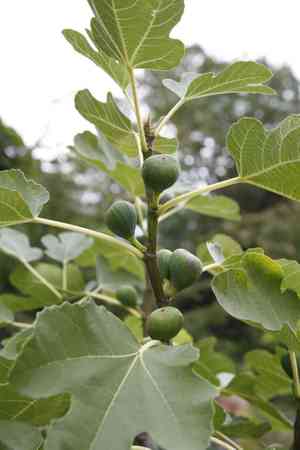
Multi-stemmed growth with spreading canopy, 10 to 30 feet (3 to 9 meters) in height and width.
2
Small, green, inconspicuous flowers inside a hollow syconium, 0.1 to 0.2 inches (2.5 to 5 mm).
3
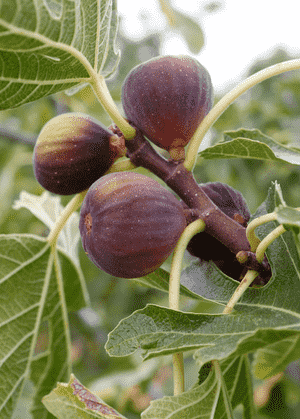
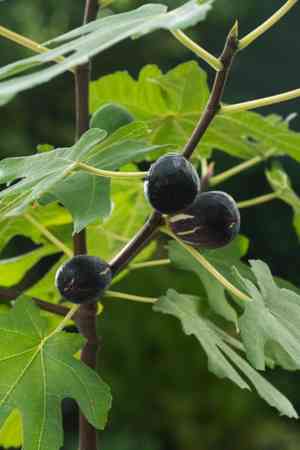
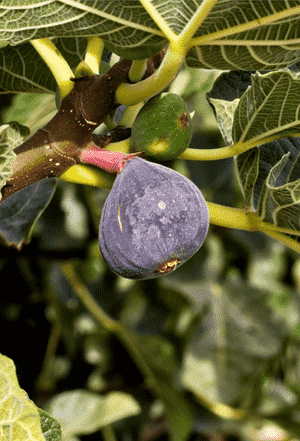
Pear-shaped syconium fruit, 2-4 inches (5-10 cm) long, purple-red or yellow when ripe.
4
Deeply lobed leaves, 5-10 inches (12-25 cm) long, rough upper surface with soft hair underneath.
5
Grayish-brown, flexible stem, 1-2 inches (2.5-5 cm) thick, producing dense bushy branching pattern.

Scientific Classification of Common fig

Phylum
Vascular plants
Class
Dicotyledons
Order
Roses, elms, figs, and allies
Family
Mulberry
Genus
Fig trees
Species
Common fig

Planting and Growing of Common fig

Care Difficulty
Easy
Watering Schedule
Every 4 days
Sunlight Requirements
Full sun
Sunshine Duration
4-6 hours
Ideal Temperature
60-75℉
Soil Type
Potting Mix, Peat Mix
Soil pH
6.5-7.5
Fertilizer Type
Balanced
Pruning Season
Spring, Summer
Pruning Area
Branches, Leaves
Pruning Frequency
2 times a year
Repotting Season
Spring
Pot Type
Plastic, Terracotta

water icon How to Water Common fig?

Ficus carica, or the common fig, requires a consistent watering schedule. Watering should be thorough enough to reach the plant's root zone and should leave the soil moist but not waterlogged. Depending on the climate and the pot size, 500 ml is generally sufficient.
What are the symptoms of an underwatered Common fig?
What should I do if my Common fig is not getting enough water?
What are the symptoms of an overwatered Common fig?
How to save an overwatered Common fig?
More About Watering Techniques

sunlight icon What Are the Sunlight Requirements for Common fig?

Sunlight Requirements: Full sun, Partial sun
Duration of light: 6 to 8 hours
Ficus carica performs best in full to partial sunlight conditions, receiving around 6 to 8 hours a day. This light range supports healthy leaf development and enhances fruit production. More About Sunlight Requirements Techniques

temperature icon What Is the Ideal Temperature Range for Common fig?

Ideal Temperature: 60 ~ 75℉
The ideal temperature range for growing Ficus carica, commonly known as the fig tree, is between 60°F and 75°F. This range provides the optimal growing conditions ensuring healthy development and fruit production. It mimics the warm climate of its native habitats in the Mediterranean, promoting active photosynthesis and nutrient uptake.

soil icon What Soil is Best for Common fig?

Soil type: Loam, Sandy loam
Soil PH: 6.5 ~ 7.5
Ficus carica thrives in well-drained soil, which ensures that the plant does not sit in waterlogged conditions that could lead to root rot. Good drainage allows roots access to ample oxygen and encourages healthy growth. This plant benefits from soils rich in organic matter, which provide essential nutrients that support its overall health and fruit production. Rich soils result in vibrant foliage and an abundance of fruit. While the soil must drain well, it also should retain some moisture to sustain the plant between watering. The right balance of moisture retention supports steady growth without overburdening the roots with excess water. More About Soil

fertilize icon How to Fertilize Common fig?

Fertilizer type: Balanced
For Ficus carica, it's essential to use a balanced fertilizer. During the growing seasons in spring and summer, apply approximately 1/2 to 1 ounce of balanced, water-soluble fertilizer per plant. The amount should be reduced to about 1/4 ounce in autumn, aligning with the plant's slowdown in growth. This ensures the plant gets the required nutrients without any risk of over-fertilization. More About Fertilizing Techniques

prune icon How to Prune Common fig?

Pruning Time: Spring, Summer, Winter
Use a pair of sharp pruning shears or loppers for larger branches, a saw for the thickest branches. Ensure all tools are sterilized, as this helps prevent disease spread. A ladder might be needed for mature, taller trees. Begin by identifying branches that are dead, diseased, or damaged. Also look for branches that cross or rub against each other. These should be your primary targets as removing them encourages healthy growth. Start with the dead or damaged branches first. Cut these back to healthy wood near the main trunk. For healthy branches, aim to shape the tree by removing roughly a third of the length of new growth from the previous season, focusing on the center to improve air flow. To boost fruit production, ensure you keep branches that form an open center, as this allows sunlight to penetrate and improve overall yield. Prune less productive, downward-facing branches. More About Pruning Techniques

propagate icon How to Propagate Common fig plant?

Propagate Time: Spring,Early summer
1
The first step in propagation is to select a healthy cutting from a mature Ficus carica plant. Choose a branch that is at least 6 inches long, with several leaves, and free from any signs of disease or pests.
2
Once you have your cutting, remove the leaves from the lower third of the stem. This reduces moisture loss and helps direct the plant's energy towards root development when the cutting is planted.
3
Insert the prepared cutting into a pot filled with potting mix, ensuring at least two nodes are buried. Water the potting mix thoroughly and place the pot in a location with indirect sunlight to avoid stress on the cutting.
More About Propagating Techniques

repot icon How to Repot Common fig plant?

Repotting frequency: Every 2-3 years
1
Ficus carica often signals its need for repotting when roots start circling the pot's bottom or protruding through drainage holes. Another clear sign is when water seeps through quickly during watering due to root-bound conditions. Ideally, repotting should occur during the growing seasons of spring or early autumn for the plant to establish itself robustly in its new environment.
2
When selecting a pot for your Ficus carica, opt for one that is 1-2 inches larger in diameter than the current pot. Ensure it has adequate drainage holes to prevent waterlogging. This new space promotes healthy growth, reduces the risk of root rot, and minimizes the need for frequent repotting, providing your plant the best chance to flourish.
3
Choose a well-draining potting mix rich in organic matter. Such soil mimics the natural conditions of Ficus carica's native Mediterranean habitat, ensuring optimal water retention while allowing excess to drain away. This balance is crucial for maintaining root health and promoting vigorous, lush foliage.
More About Repotting Techniques

ForwardPlant - Identify plants with a snap

Find the best spots for them to optimize their health, simply using your phone.

Try for Free

Toxicity of Common fig

Is Common fig toxic to cat?

The common fig poses a toxic threat to cats. Ingesting even small quantities of its sap, juice, or fruit can lead to poisoning. Cats usually encounter these toxic components inadvertently. Such exposure can cause physical discomfort or exhibit signs of illness, necessitating vigilant monitoring. If a cat demonstrates any atypical behavior or distress after potential exposure to the common fig, prompt veterinary attention is vital. Swift intervention can avert more serious health issues and guarantee the safety and welfare of the cat.

Is Common fig toxic to dog?

The common fig is regarded as toxic for dogs. If dogs inadvertently consume this plant, they risk poisoning. The hazardous components of the plant include the sap or juice, as well as the fruits, both of which contain compounds that can trigger toxicity in dogs. Should a dog ingest any portion of the common fig, symptoms may arise, including vomiting, diarrhea, abdominal pain, or skin irritation. It is essential for dog owners to keep a vigilant eye on their pets and restrict their access to common fig to prevent any accidental consumption. If a dog does ingest this plant, it is vital to seek prompt veterinary assistance for the animal's health and safety.

Identify toxic plants for your safety

Learn which plants are harmful to you and your pets, and make informed choices for a safer home!

Try for Free
WARNING
The judgment on toxicity and danger is for reference only. We DO NOT GUARANTEE any accuracy of such judgment. Therefore, you SHALL NOT rely on such judgment. It is IMPORTANT TO SEEK PROFESSIONAL ADVICE in advance when necessary.
More About Toxic Techniques