How to Propagate Common fig?
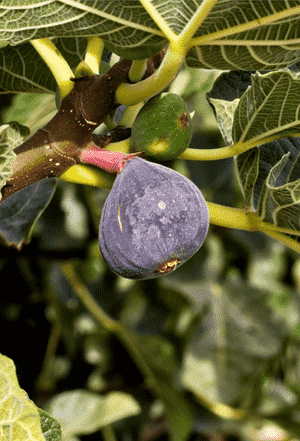
To effectively propagate common fig, consider techniques such as taking cuttings and air layering throughout the colder periods of fall and winter. Observe for the emergence of new roots, which indicates successful establishment. Achieving favorable outcomes necessitates both perseverance and appropriate nurturing.
Optimal Time for Common Fig Propagation
Propagation Method
Cutting
Propagation Period
Autumn,Winter
Tools for Common Fig Propagation
Sharp Pruning Shears
These are crucial for making clean cuts from the parent common fig plant without harming the stems. Clean cuts help prevent disease and promote quicker healing and rooting.
Rooting Hormone Powder or Gel
Applying rooting hormone to the cut end of common fig cuttings can significantly boost the chances of successful root development by stimulating root growth at the contact point.
Sterile Potting Mix
A well-draining, sterile potting mix offers the perfect environment for common fig cuttings to develop roots. It lowers the risk of soil-borne diseases that can harm the vulnerable cuttings.
Plant Pots with Drainage Holes
These pots are vital for proper water management. Good drainage ensures that common fig cuttings are not overwatered, which could lead to root rot.
Plastic Bags or Propagation Dome
Creating a mini-greenhouse effect with a plastic bag or dome helps maintain high humidity around the common fig cuttings, which is beneficial for encouraging root and shoot development without an established root system.
Heat Mat (optional)
While not strictly necessary, a heat mat can improve root formation in common fig cuttings by providing consistent bottom heat, which can be particularly useful in cooler growing environments.
Watering Can with a Fine Rose
Gentle watering with a fine rose attachment minimizes disturbance to the newly planted common fig cuttings, ensuring they remain in close contact with the moist potting mix for optimal root formation.
Caring for Your Newly Propagated Common Fig
Caring for Your Newly Propagated Common Fig
Once roots are established, typically in a few weeks, gradually acclimate the common fig cutting to less humid conditions by removing the plastic cover for longer periods daily. When the cutting shows new growth, indicating successful rooting, begin standard common fig care by watering when the top inch of soil is dry and providing bright, indirect light. Fertilize lightly with a balanced fertilizer during the growing season. Protect the young common fig from extreme temperatures by keeping it indoors until fully acclimated and ready for outdoor planting, if desired.
Common Mistakes to Avoid When Propagating Common Fig
Overwatering cuttings
Leads to root rot and fungal diseases, resulting in poor rooting or death of the cutting.
Ignoring node presence
Nodes are crucial for root development; overlooking them can result in non-viable cuttings.
Using diseased or weak cuttings
Limits rooting potential and can introduce diseases to the new plant.
Not maintaining humidity
Common fig cuttings require high humidity to root; insufficient humidity might cause them to dry out and die.
Overlooking sterilization
Using dirty tools or containers risks contaminating common fig cuttings with pathogens.
Neglecting aftercare
Once cuttings root, they need gradual acclimatization; failing to provide this can shock and kill the plant.
Tips For Propagating Common Fig
Select healthy mother plants
Ensures that cuttings have the best chance of rooting and growing into vigorous plants.
Cut just below a node
Maximizes the potential for root initiation in common fig cuttings.
Use root-promoting substances
Enhances rooting success by stimulating root growth in common fig.
Maintain optimal humidity
Using a humidity dome or misting helps common fig cuttings maintain necessary moisture levels for rooting.
Prepare soil appropriately
Well-draining, fertile soil encourages healthy root development for common fig plants.
Monitor and adjust care
Paying close attention to the cuttings' needs and adjusting care methods promotes the successful propagation of common fig.



