The Hidden Danger in Your Home? Unmasking the Toxicity of the Common fig Plant.
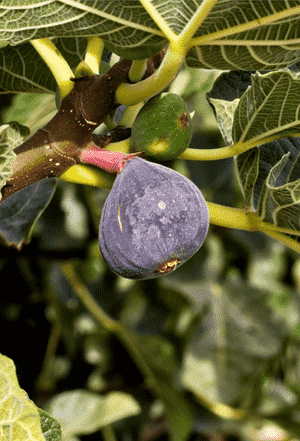
1
The common fig plant is poisonous to felines and canines; consuming even a small quantity can be detrimental.
2
Signs of common fig toxicity in animals encompass throwing up, loose stools, stomach discomfort, or dermal irritation.
3
Prompt veterinary attention is essential if an animal displays atypical conduct following potential contact with common fig.
Is Common fig toxic to cat?
The common fig poses a toxicity risk to felines. Ingesting even small quantities of its sap, juice, or fruits can cause poisoning. Cats often encounter these harmful components unintentionally. Such exposure may lead to physical discomfort or symptoms of illness, necessitating careful monitoring. Prompt veterinary attention is vital if a cat displays any unusual behavior or distress following potential contact with common fig. Swift action can avert more serious health issues and safeguard the cat's welfare.
Is Common fig toxic to dog?
Common fig is deemed harmful to dogs. Canines can experience poisoning from this plant if consumed inadvertently. The hazardous components are the sap, juice, and fruits, which contain compounds that can induce toxicity in dogs. Should a dog consume any part of the common fig, they might show signs like vomiting, diarrhea, stomach discomfort, or skin irritation. It is essential for dog guardians to supervise their pets closely and restrict access to common fig to prevent accidental consumption. If a dog does ingest this plant, immediate veterinary consultation is critical for the animal's health and safety.



